Search
Price Range

Historical Places

Shahr-e Sukhteh

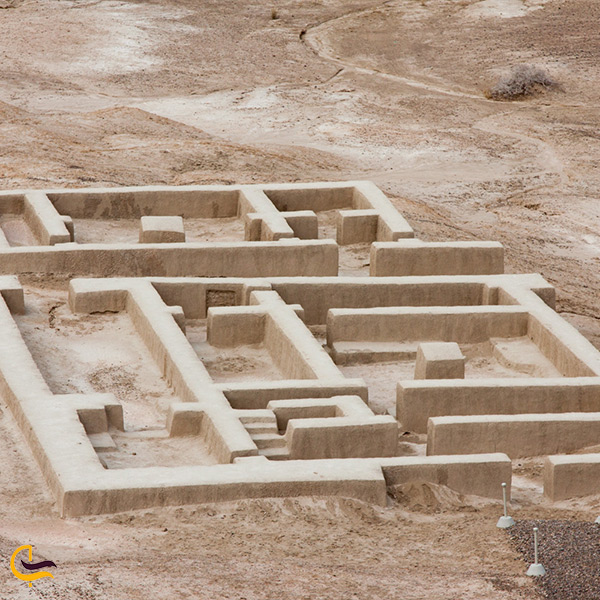
Shahr-e Sukhteh (meaning "Burnt City") is an archaeological site located in Sistan and Baluchestan Province, Iran. It is located about 260 kilometers from Zahedan, the capital of the province. The site is a UNESCO World Heritage Site. Shahr-e Sukhteh was once a major city in the ancient world. It was founded in the 3rd millennium BC and was inhabited for over 2,000 years. The city was an important...
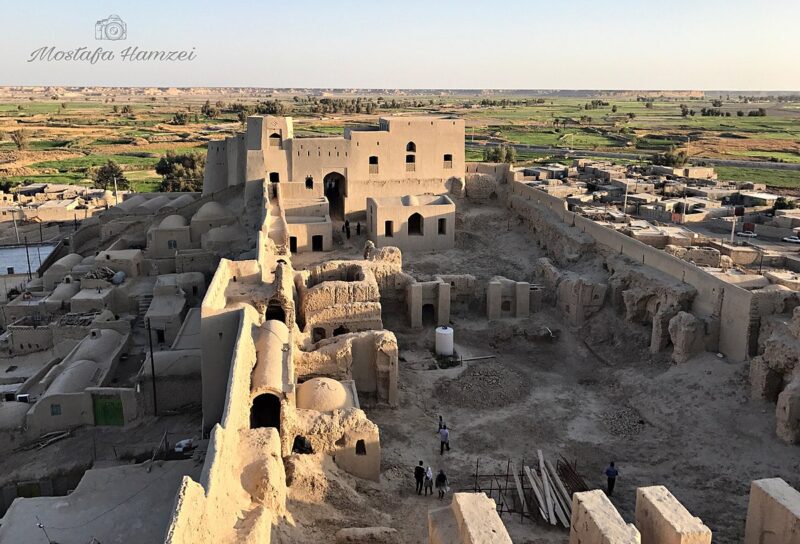
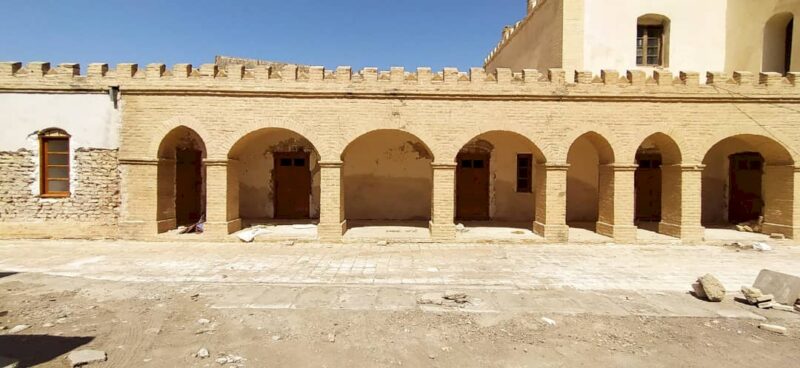
Se Kohe Castle (also known as the Three Mountains Castle)

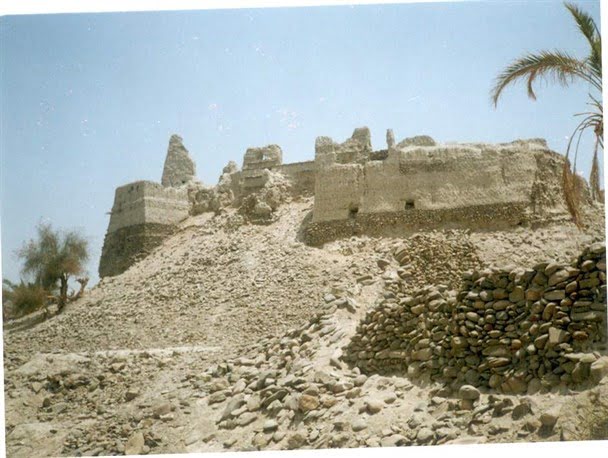
Se Kohe Castle (also known as the Three Mountains Castle) is a historical castle located in Sistan and Baluchestan Province, Iran. It is located about 30 kilometers from the city of Zabul. The castle was built in the 10th century AD by the Samanid dynasty. It is a large and complex structure, consisting of three main towers. The towers are connected by walls and passageways. The castle was used as a...

The Bank of Iran and England

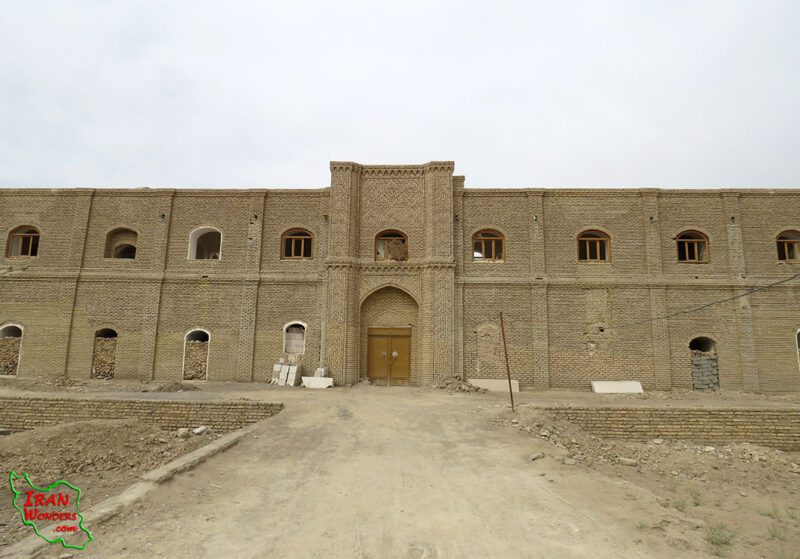
The Bank of Iran and England was a British bank that operated in Iran from 1889 to 1979. The bank was founded in Tehran by a group of British investors, and it quickly became the leading foreign bank in Iran. The bank offered a wide range of services to its customers, including commercial banking, investment banking, and insurance. The Bank of Iran and England was nationalized by the Iranian government...

Jalal Abad Arg Sistan

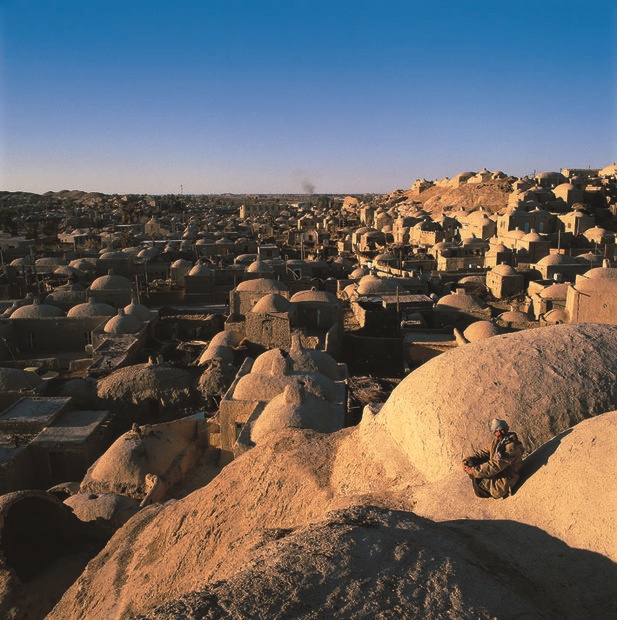
Jalal Abad Arg Sistan is a city in Sistan and Baluchestan Province, Iran. It is the capital of Nikshahr County. The city is located in the southern part of the province, about 200 kilometers from the city of Zahedan. The city has a population of about 100,000 people. Jalal Abad Arg Sistan is a major commercial center in the region. The city is home to a number of businesses, including factories,...

Dahan-e Gholaman

Dahan-e Gholaman is an ancient city located in Sistan and Baluchestan Province, Iran. It is believed to have been founded by the Achaemenid Empire in the 6th century BC. The city was a major center of trade and commerce, and it was also home to a number of important religious and cultural institutions. Dahan-e Gholaman was abandoned in the 4th century AD, but it has since been excavated by...

The Naroui Khan Mohammad Hosein Fort

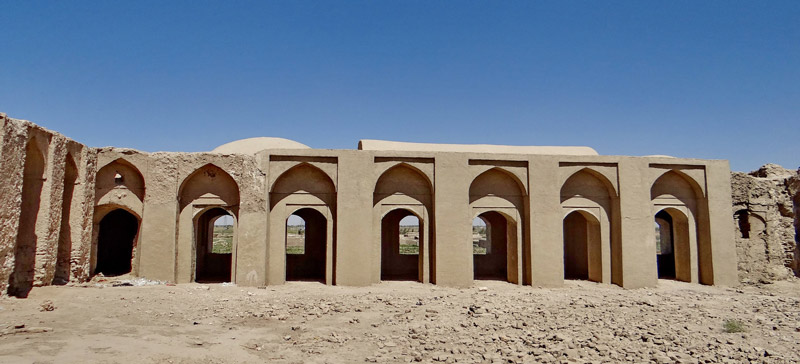
The Naroui Khan Mohammad Hosein Fort is a historical site in the Sistan and Baluchestan province of Iran, located in the Qaleh Now village of Zabol county. It is about 160 years old and has witnessed many historical events during its lifetime. The beautiful and charming architecture of this fort attracts the attention of every viewer. The Naroui Khan Mohammad Hosein Fort is built in a square...

Ghal’e No village

Ghal'e No is a village in the Central District of Nikshahr County, Sistan and Baluchestan Province, Iran. At the 2006 census, its population was 1,247, in 252 families. The village is located in the southwestern part of the county, about 20 kilometers from the city of Nikshahr. The village is home to a number of historical sites, including the ruins of a Zoroastrian temple. The site is also home to a...

Qasrqand Castle

Qasrqand Castle is a ruined castle in Sistan and Baluchestan Province, Iran. It is located in the Qasr-e Qand County, about 12 kilometers (7.5 mi) from the city of Qasr-e Qand. The castle is built on a hilltop and has a commanding view of the surrounding area. It is made of mudbrick and has a square shape. The castle has four towers and a gatehouse. The interior of the castle is divided into several...

Espehke Mudbrick Castle

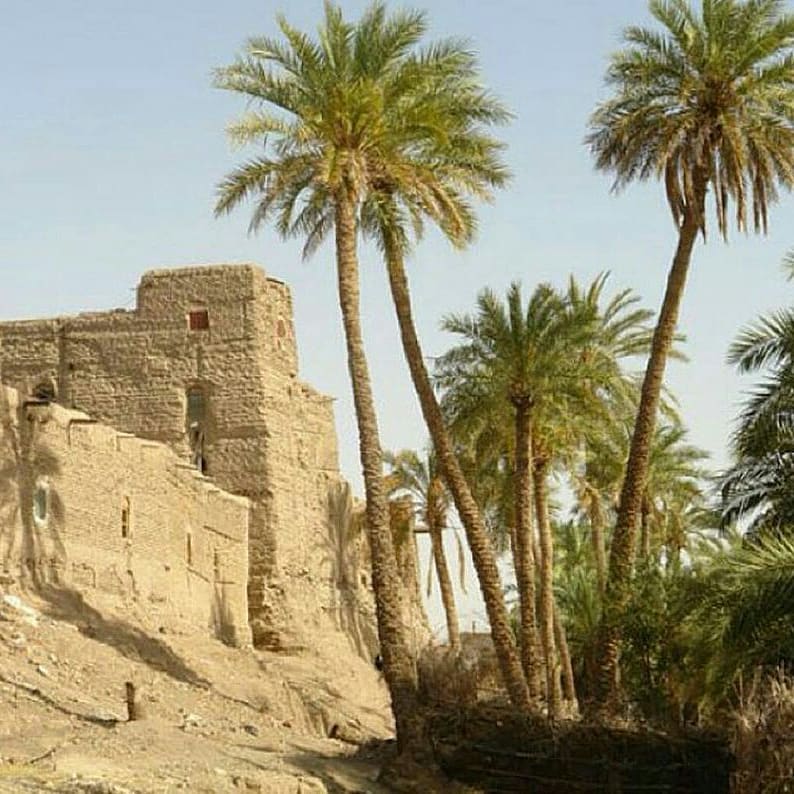
Espehke Mudbrick Castle is a historical castle in the Sistan and Baluchestan Province of Iran. It is located in the Khash County and in the village of Espehk. Espehk Mudbrick Castle was registered in the National Heritage List of Iran in 1976.Espehk Mudbrick Castle is a mudbrick castle that was built in the 10th century AH. It has an area of approximately 1,000 square meters and has four towers and one...

Hewdan petroglyphs

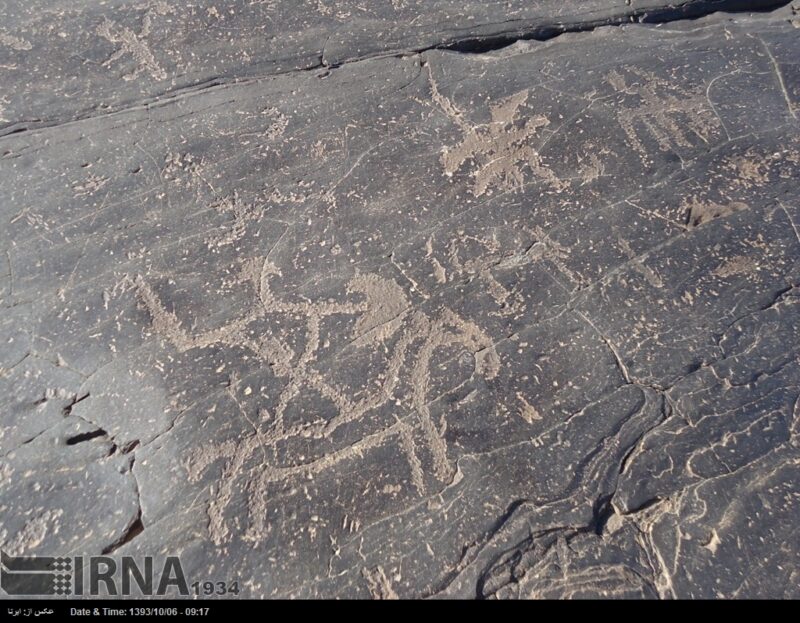
Hewdan petroglyphs are a collection of historical rock paintings located in Sistan and Baluchestan province, Iran. These rock paintings are located near the village of Hewdan, in Saravan county, about 100 kilometers from nikhshahr city. The Hewdan petroglyphs date back to the Sassanid period (3rd to 7th centuries AD) and include images of Sassanid kings, warriors, animals, and religious scenes. These...