The combination of "curry stew" and "oysters" might seem like an unusual pairing, especially when considering the specific geography of Sistan and Baluchistan, Iran. Here's why:Oysters in Sistan and Baluchistan:While there are oyster farms along the Persian Gulf and Gulf of Oman coasts of Iran, Sistan and Baluchistan primarily lies inland, with limited access to the ocean and its seafood.Oysters are not...
About Iran
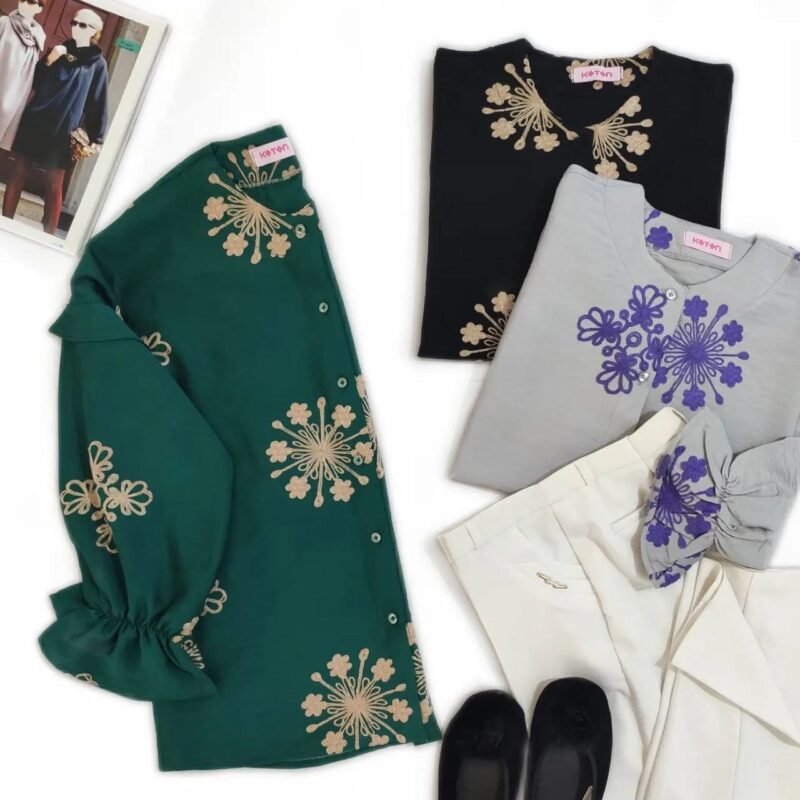
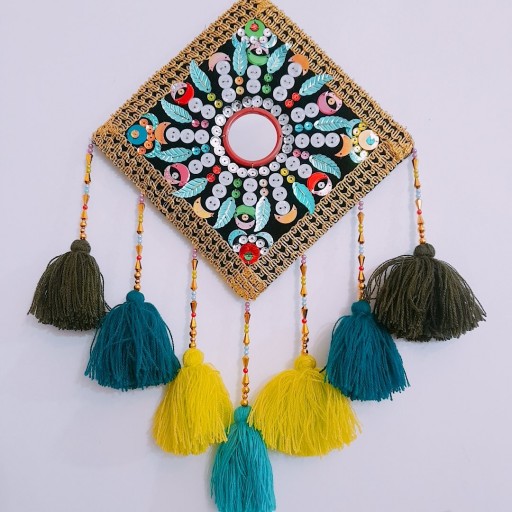
The needlework of Sistan and Baluchistan, Iran, is a vibrant and diverse tapestry of traditions and techniques, bursting with color, symbolism, and intricate craftsmanship. Here's a glimpse into this captivating world:A Spectrum of Styles:Suchan Duzi: The most prevalent style in Baluchistan, featuring bold geometric patterns, animal motifs, and floral details. Often uses vibrant colors and silk thread for...
The coin embroidery of Sistan and Baluchistan, Iran, is a captivating blend of tradition, artistry, and resourcefulness. Here's a glimpse into this unique art form:A Sparkling Fusion:Coins as embellishments: Unlike conventional embroidery using thread, this technique incorporates coins, primarily old silver or copper ones, as the primary embellishment. These coins are sewn onto fabric, creating...
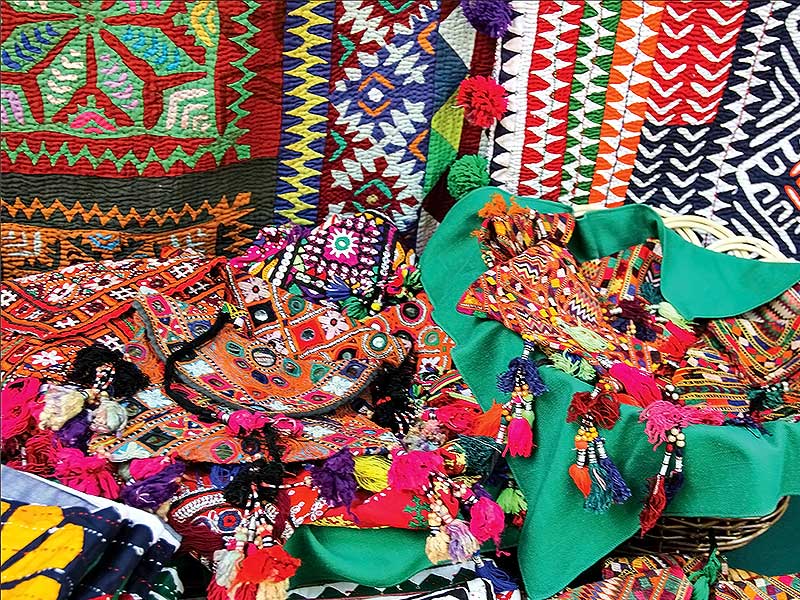
Dodni weaving, also known as "Dohni" or "Do-ni," is a fascinating and unique textile tradition practiced by the Baluchi people in Sistan and Baluchistan, Iran. This vibrant and intricate art form involves weaving two layers of fabric simultaneously, creating a mesmerizing interplay of colors and textures.Key features of Dodni weaving:Double-layered fabric: The defining characteristic of Dodni weaving is...
The cream embroidery of Sistan and Baluchistan, Iran, is a captivating art form that deserves more attention. While not as widely known as its colorful counterparts, this delicate needlework holds its own unique charm and cultural significance. Here's a closer look:Distinctive Features:Predominantly cream-colored: Unlike the vibrant hues of many other Baluchi embroideries, cream embroidery focuses on...
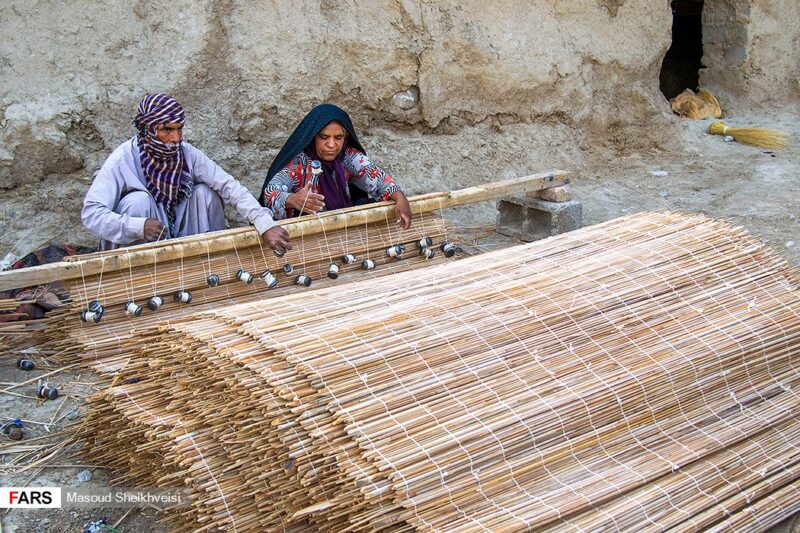
The woven mats of Sistan and Baluchistan, Iran, are a vibrant and intricate expression of the region's rich cultural heritage. These handcrafted treasures, known as "gelims" or "kilims," boast unique designs, weaving techniques, and symbolic meanings, making them a fascinating blend of art and tradition.Here's a glimpse into the world of these woven wonders:Diversity in Design and Technique:Sistan: Known...
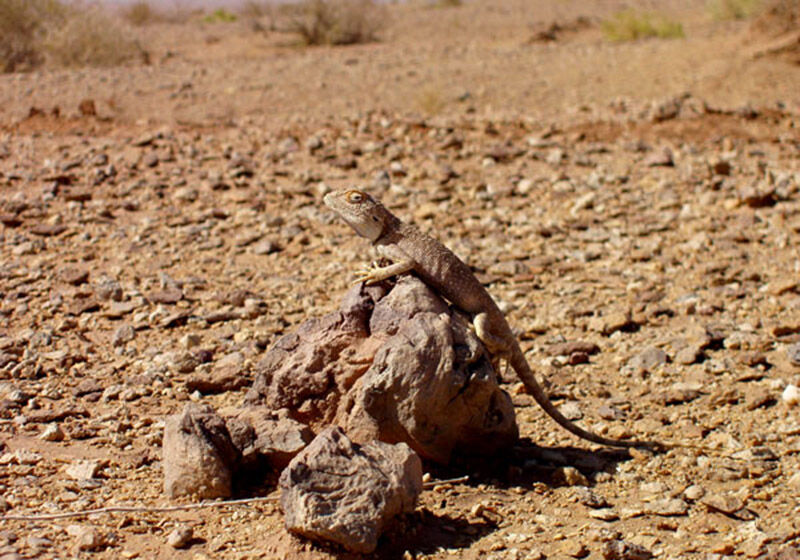
While the Indian garden lizard (Calotes versicolor) is indeed found in several parts of India and Pakistan, its occurrence in Sistan and Baluchistan, Iran, is considered extremely rare.There have been only a few historical records of the species in the region, dating back to the late 19th and early 20th centuries. Since then, there have been no confirmed sightings, leading some researchers to believe that...
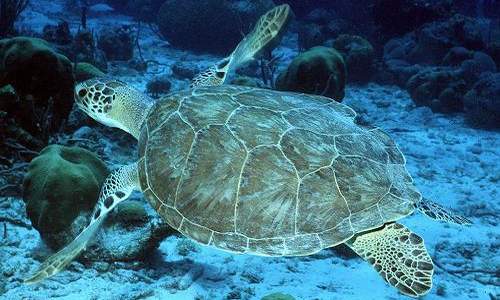
Sistan and Baluchistan, located in the southeast corner of Iran, isn't known for hosting sea turtles. Their primary habitat lies in the warmer waters of the Persian Gulf and Gulf of Oman, predominantly along the coasts of Hormozgan and Bushehr provinces further south.However, there have been some intriguing reports of sea turtle sightings in the coastal areas near Chabahar, the only oceanic port in Iran....
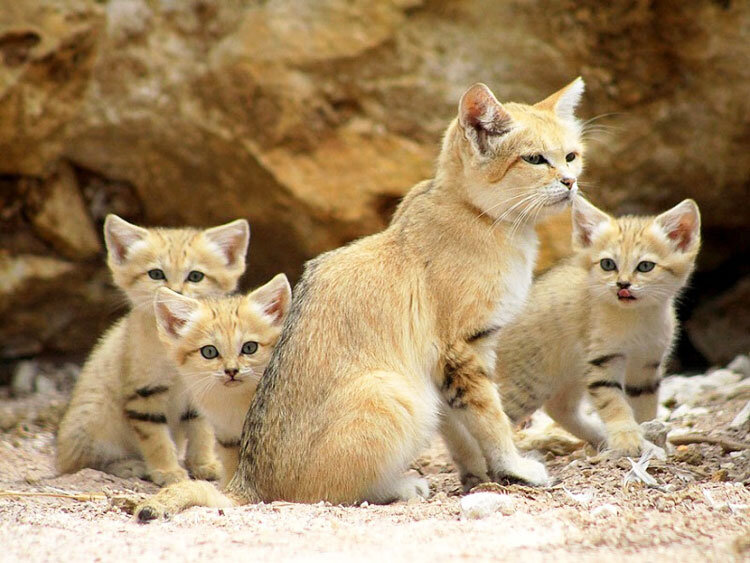
The elusive sand cat of Sistan and Baluchistan! These adorable mini-panthers hold a special place in the unique biodiversity of the region. Here's what I know about them: Master of the Dunes: The smallest wild cat in sia, weighing under 4 kg and standing barely 35 cm tall, they're perfectly adapted to life in the arid deserts of Sistan and Baluchistan.Their thick, sandy-colored fur provides...
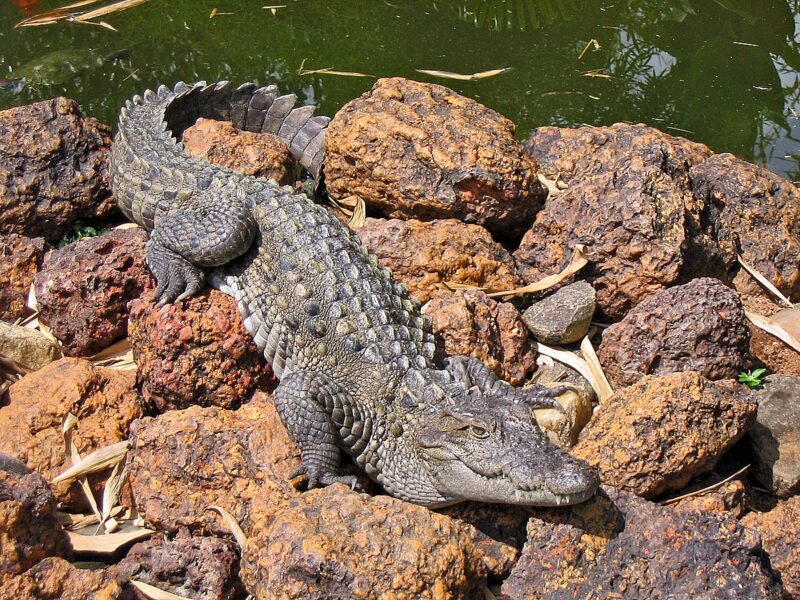
The Iranian mugger crocodile, also known as the Gharial-like crocodile, is a fascinating and critically endangered reptile found in the Chabahar region of Sistan and Baluchistan, Iran. Here's a glimpse into this unique resident: Ancient Guardian:Dating back millions of years, they're relics of a bygone era, sharing features with prehistoric gharials.They're relatively small compared to other...