
The Rabe Rashid
Description
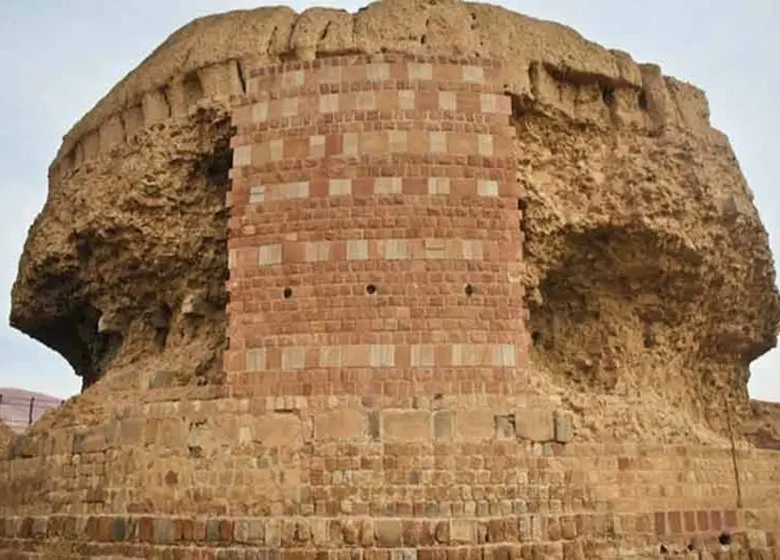
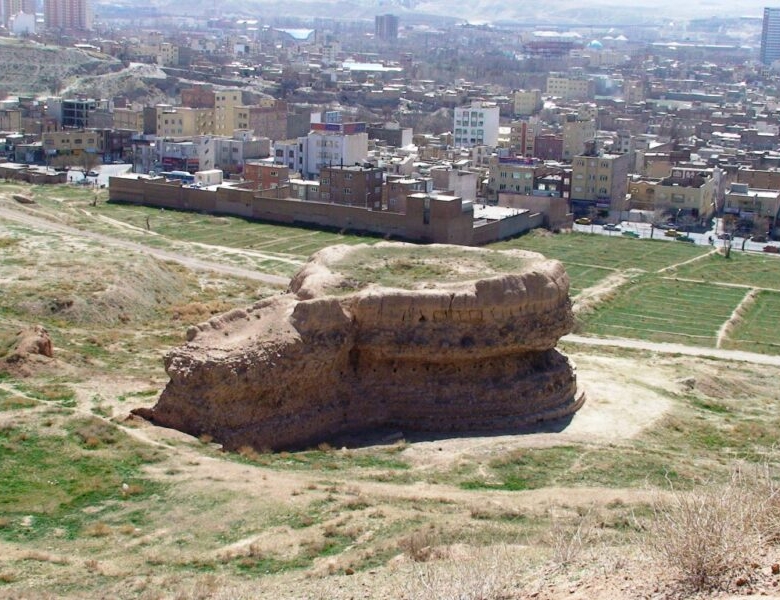
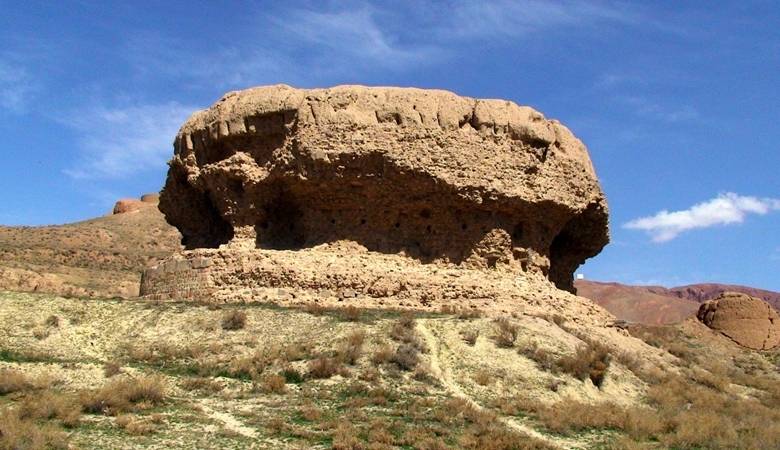
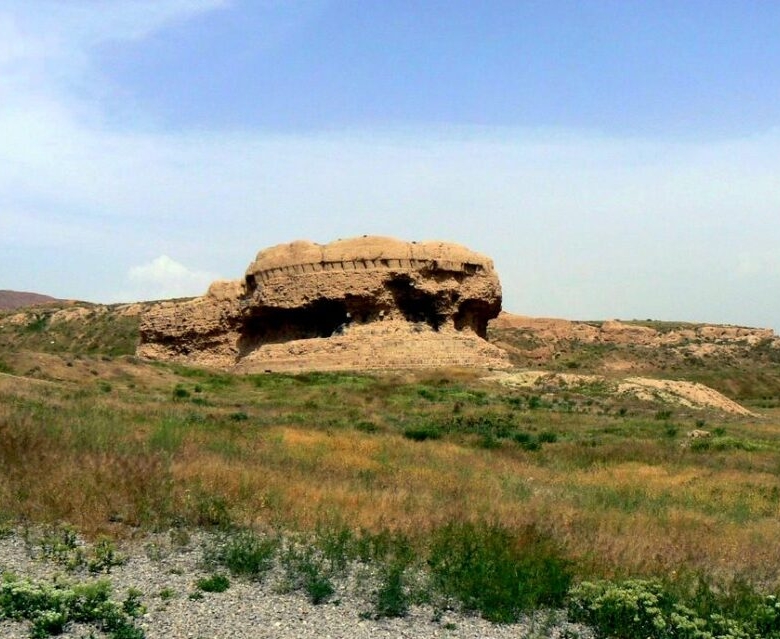
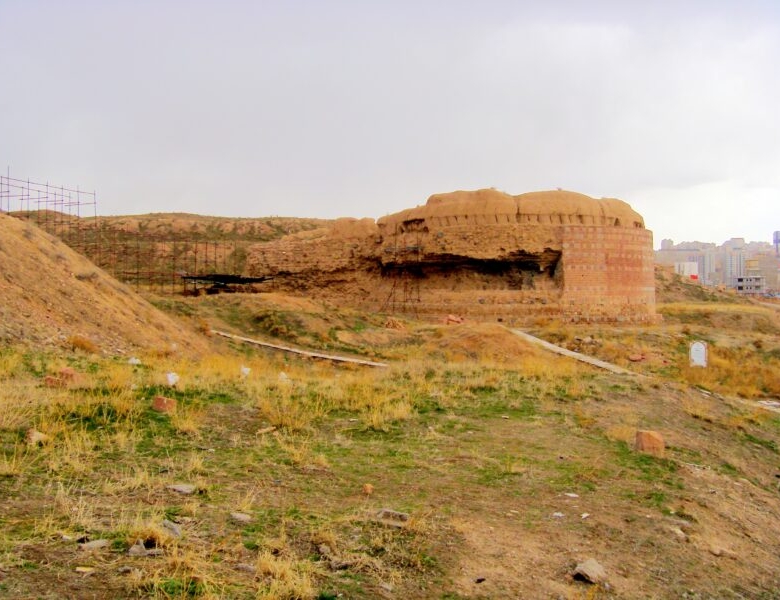
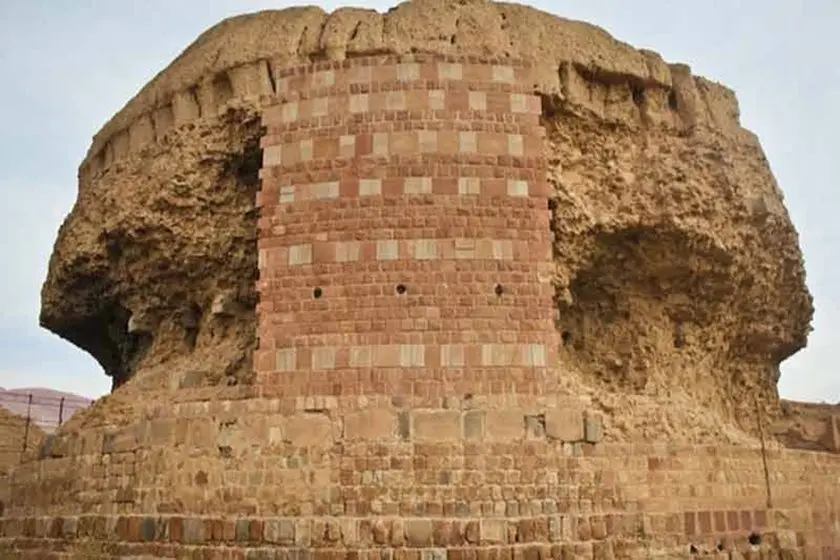
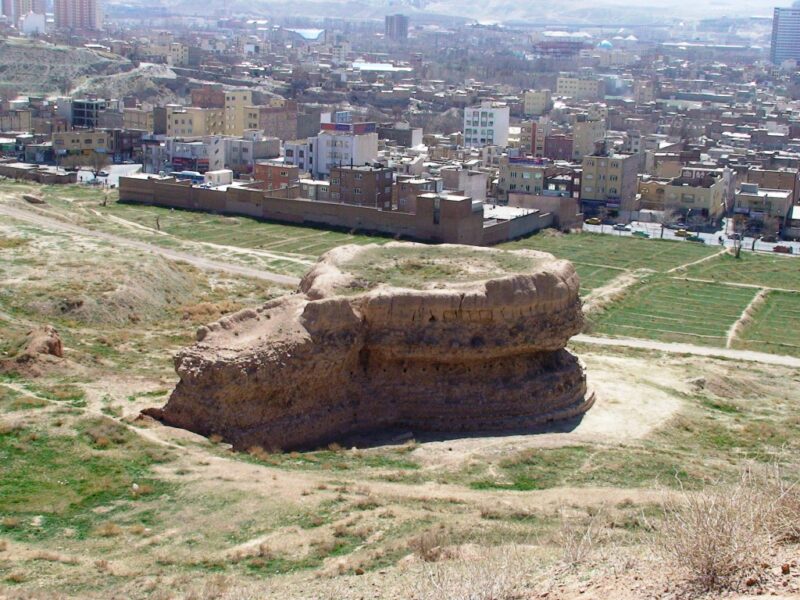
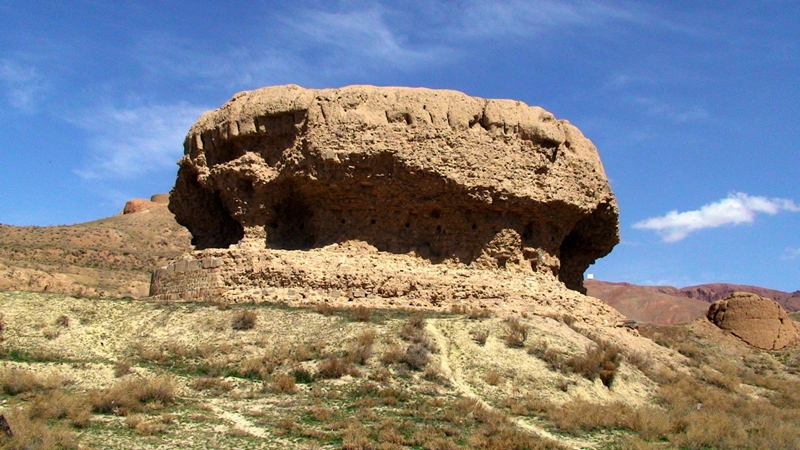
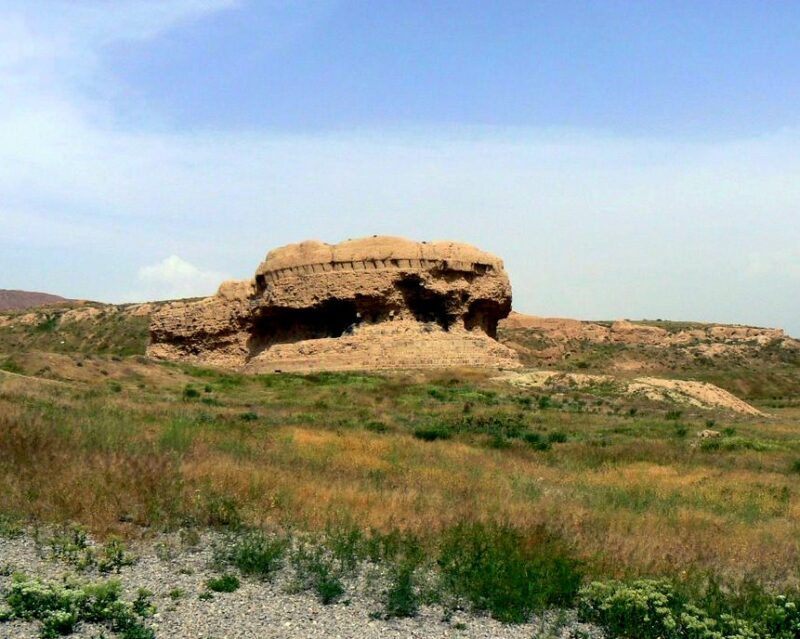
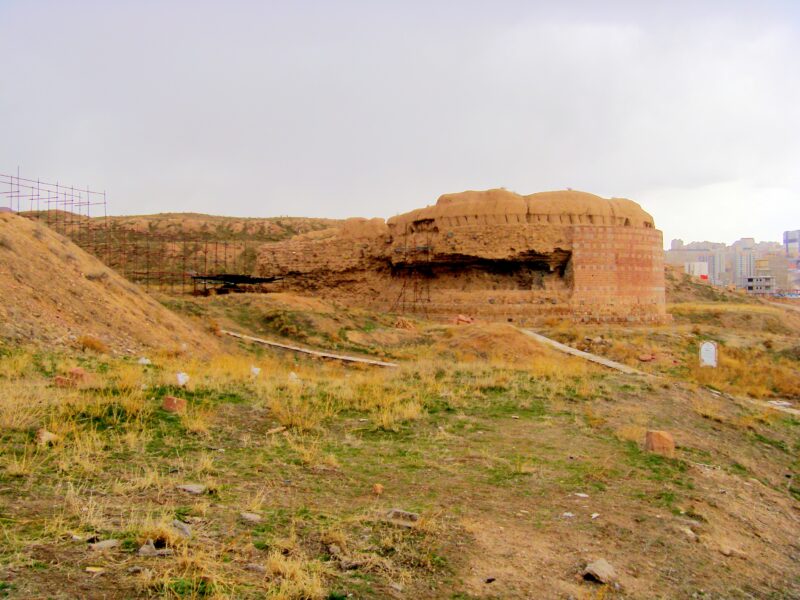
The Rabe Rashidi, also known as the Rab’-e Rashidi complex, is one of the most important historical and educational landmarks in Tabriz. Built in the early 14th century, it represents a remarkable achievement in medieval Iranian architecture, scholarship, and urban planning, reflecting the intellectual and cultural flourishing of the Ilkhanid period.
Historical Background
The Rabe Rashidi complex was founded in 1317 by Rashid al-Din Fazlallah Hamadani, the renowned vizier and historian of the Ilkhanid dynasty. Rashid al-Din envisioned the complex as a center for education, research, and cultural exchange. It was intended to be one of the largest academic and social institutions of its time, serving scholars, students, artisans, and the local population alike.
The name “Rabe Rashidi” literally means “Rashidi Quarter,” highlighting its role as a multifunctional urban hub encompassing educational, religious, and residential spaces.
Architectural Features
The complex was designed on a large scale, featuring multiple interconnected buildings, including:
A madrasa (Islamic school) for the education of students in various disciplines, including theology, law, medicine, and astronomy.
Libraries and book repositories, which housed thousands of manuscripts and facilitated intellectual research.
Mosques and prayer halls serving both students and the public.
Hospitals and hospices to provide care for the sick and travelers.
Residential quarters for scholars, students, and artisans, creating a vibrant academic community.
The architecture combined traditional Persian design with Ilkhanid innovations, using brickwork, domes, iwans, and carefully proportioned courtyards to create a functional and aesthetically harmonious environment.
Cultural and Educational Significance
Rabe Rashidi was not only an educational institution but also a major center of scientific and cultural advancement. Scholars from across the Islamic world were invited to teach and study, making it one of the earliest examples of a multicultural academic hub.
The complex also contributed to the standardization of education, manuscript copying, and translation of texts, influencing the intellectual life of Iran and neighboring regions for centuries.
Decline and Preservation
Following the death of Rashid al-Din in 1318 and subsequent political upheavals, the complex gradually declined. Over the centuries, earthquakes and neglect caused significant damage, and much of the original structure disappeared. However, archaeological excavations in the 20th century uncovered foundations, walls, and artifacts that revealed the scale and sophistication of the original complex.
Today, the Rabe Rashidi site is recognized as an important historical and cultural heritage site, illustrating the advanced educational and architectural practices of the Ilkhanid period.
Legacy
The Rabe Rashidi complex remains a symbol of Tabriz’s historical role as a center of learning, culture, and innovation. It reflects the vision of Rashid al-Din, who sought to create a thriving intellectual and social hub that combined education, religion, and civic service.
For modern visitors, scholars, and history enthusiasts, Rabe Rashidi offers a glimpse into the rich intellectual heritage of medieval Iran and the enduring legacy of one of its greatest statesmen.
Features
Address
Open on Google Maps-
Address: Bagmisheh, Tabriz, East Azerbaijan Province, Iran
-
City: Tabriz
-
State/county: East Azerbaijan
Similar Listings
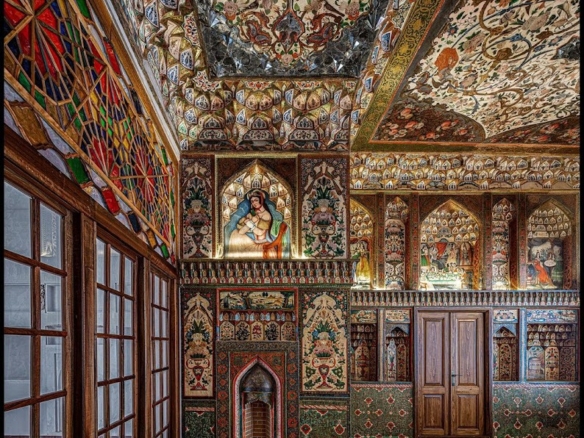
The Hariri House
East Azerbaijan, TabrizThe Hariri House is one of the most beautiful historic residences in...
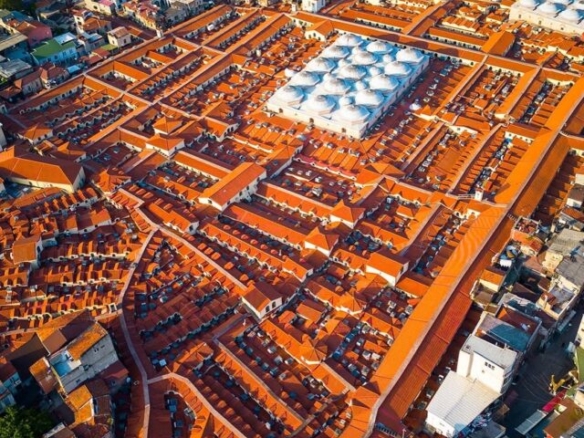
The Tabriz Historic Bazaar Complex
East Azerbaijan, TabrizThe Tabriz Historic Bazaar Complex is one of the oldest and largest...

The Tabriz Municipality Palace
East Azerbaijan, TabrizThe Tabriz Municipality Palace, commonly known as the Tabriz City Hall, is...

 The Rabe Rashidi
 The Rabe Rashidi
 The Rabe Rashidi
 The Rabe Rashidi
 The Rabe Rashidi