
The Qara Kelisa (St. Thaddeus Monastery)
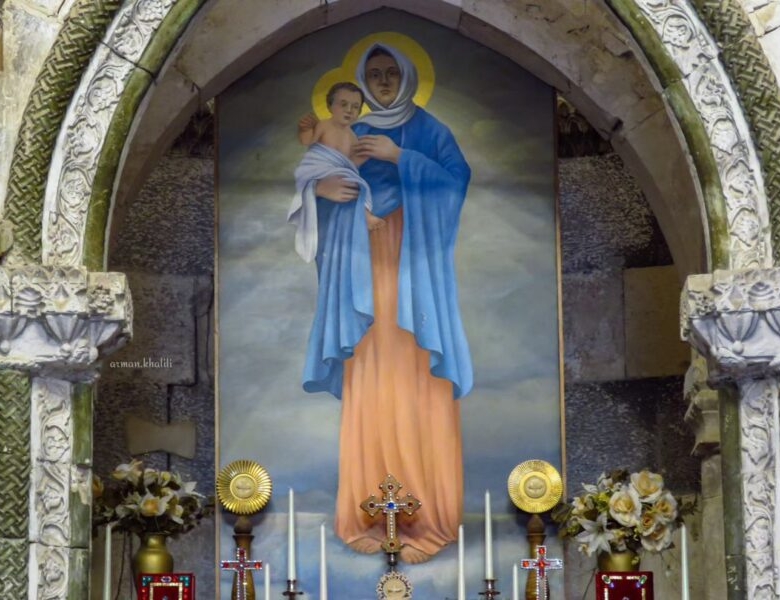

Description
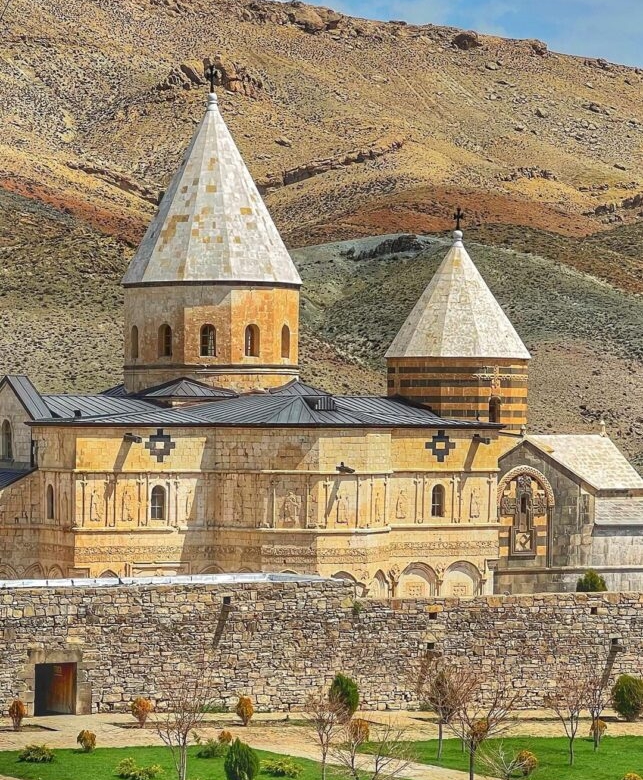
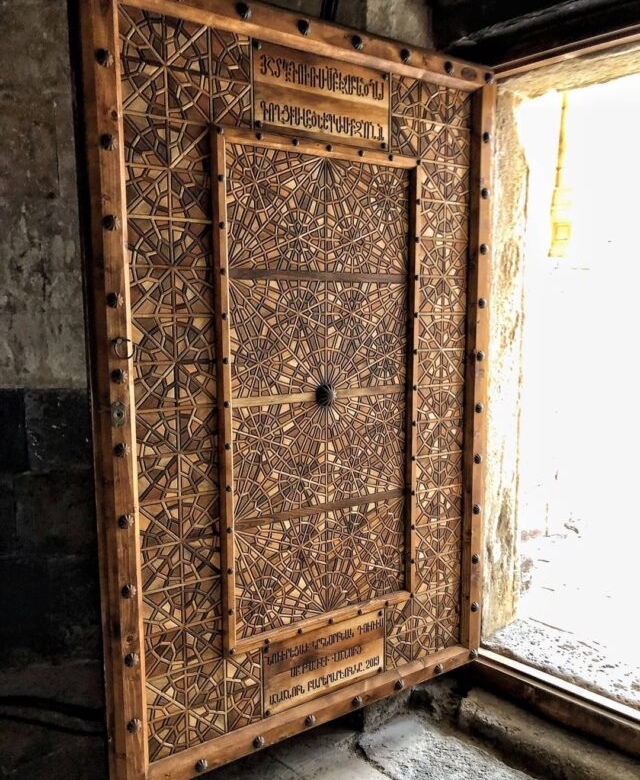
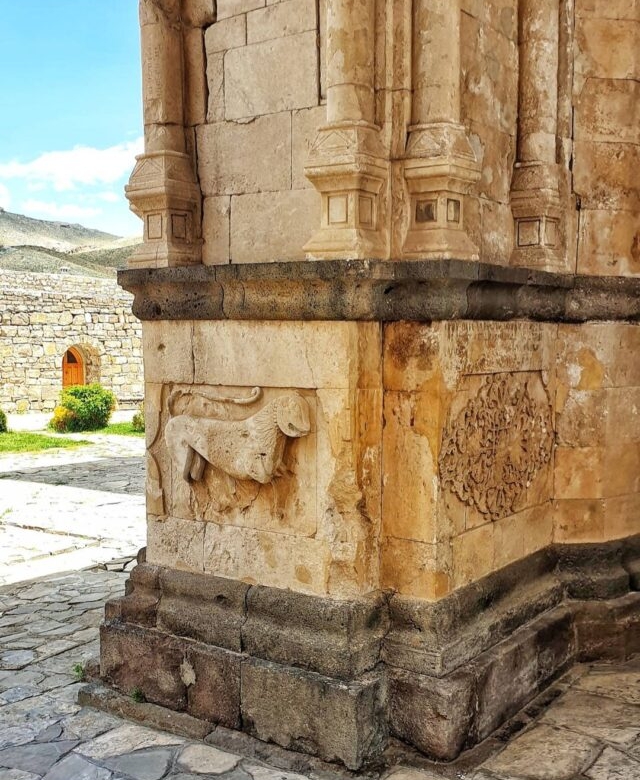
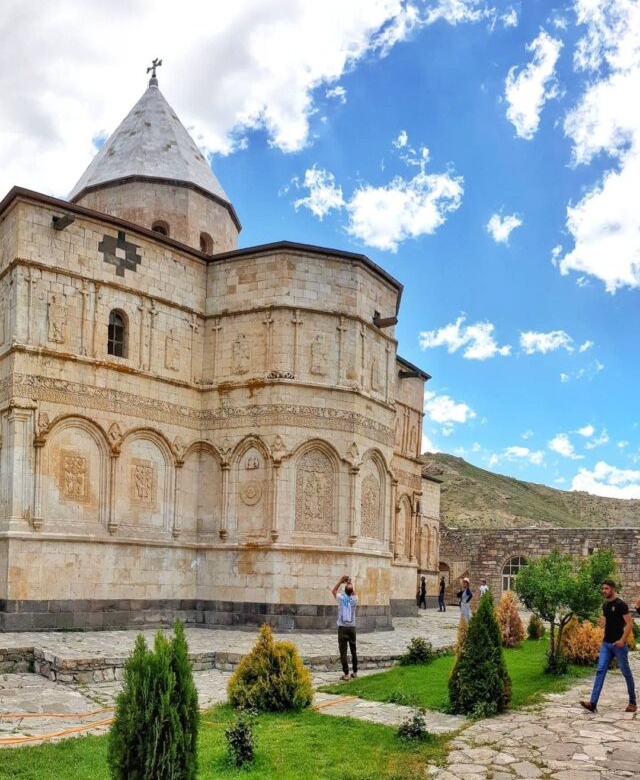
The Qara Kelisa (St. Thaddeus Monastery) is one of the oldest and most significant Armenian Christian monasteries in Iran, located near the village of Chaldoran in West Azerbaijan. Often referred to as the “Black Church” due to the dark basalt stone used in its construction, Qara Kelisa is a UNESCO World Heritage Site and a key destination for cultural and religious tourism.
The Qara Kelisa (St. Thaddeus Monastery) is one of the oldest and most significant Armenian Christian monasteries in Iran, located near the village of Chaldoran in West Azerbaijan. Often referred to as the “Black Church” due to the dark basalt stone used in its construction, Qara Kelisa is a UNESCO World Heritage Site and a key destination for cultural and religious tourism.
Address
Open on Google Maps-
City: Chaldoran
-
State/county: West Azerbaijan

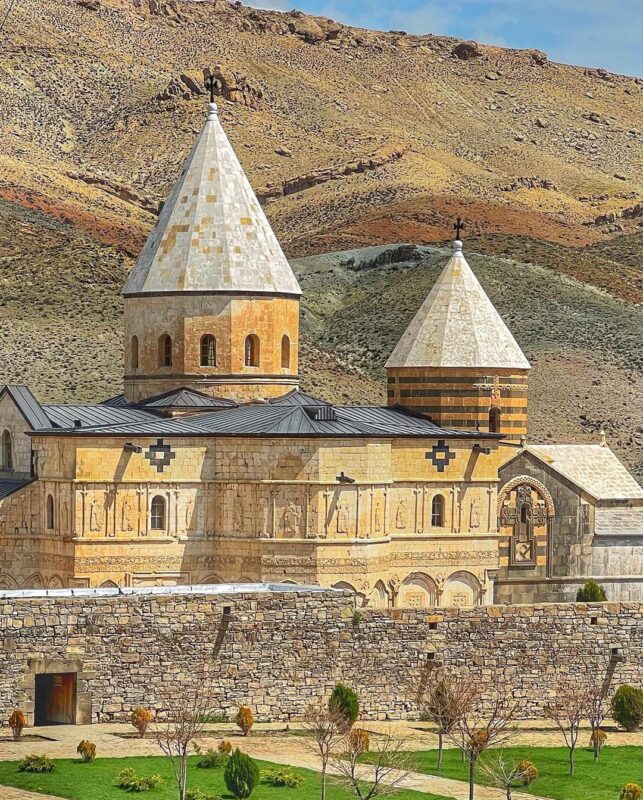 The Qara Kelisa (St. Thaddeus Monastery)
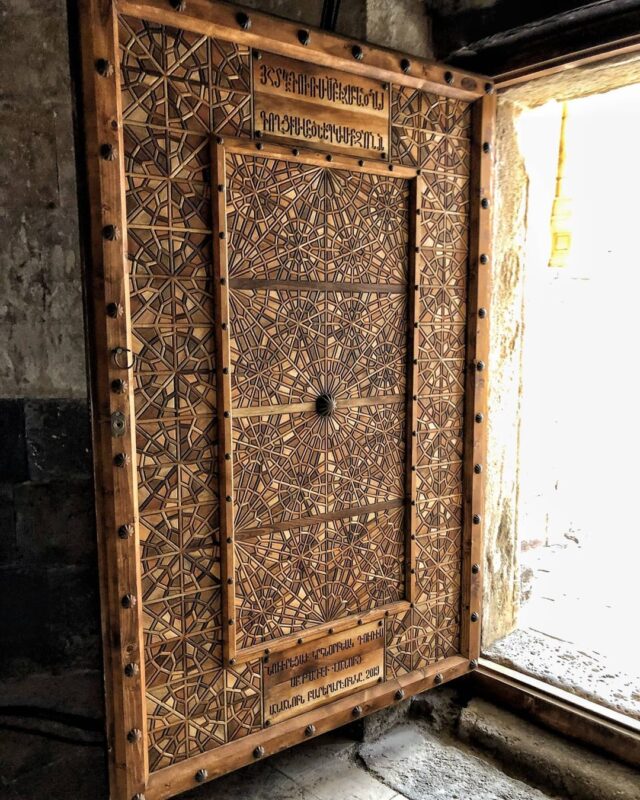 The Qara Kelisa (St. Thaddeus Monastery)
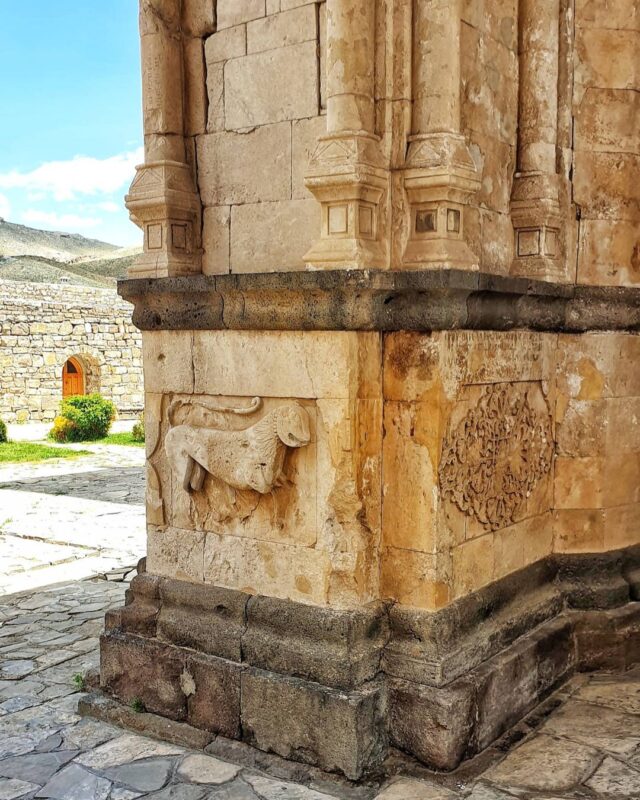 The Qara Kelisa (St. Thaddeus Monastery)
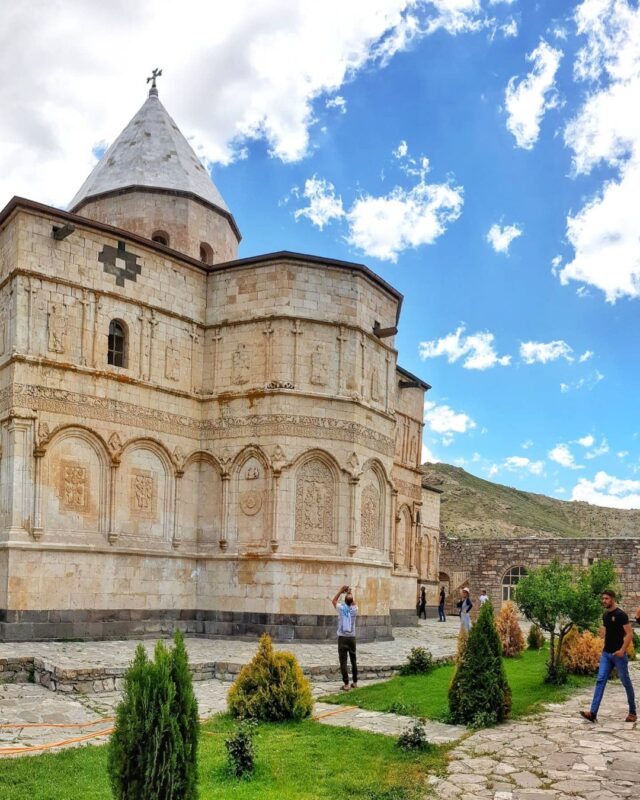 The Qara Kelisa (St. Thaddeus Monastery)
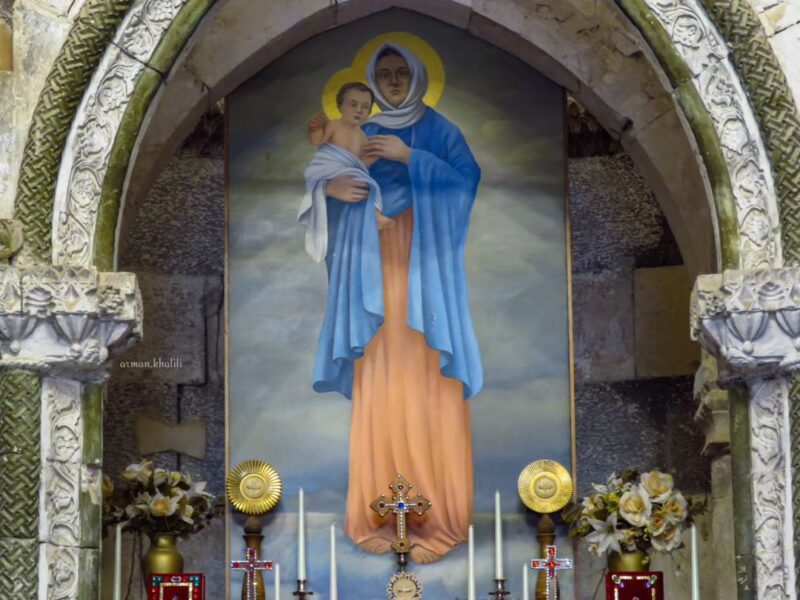 The Qara Kelisa (St. Thaddeus Monastery)