
The Blue Mosque
Description
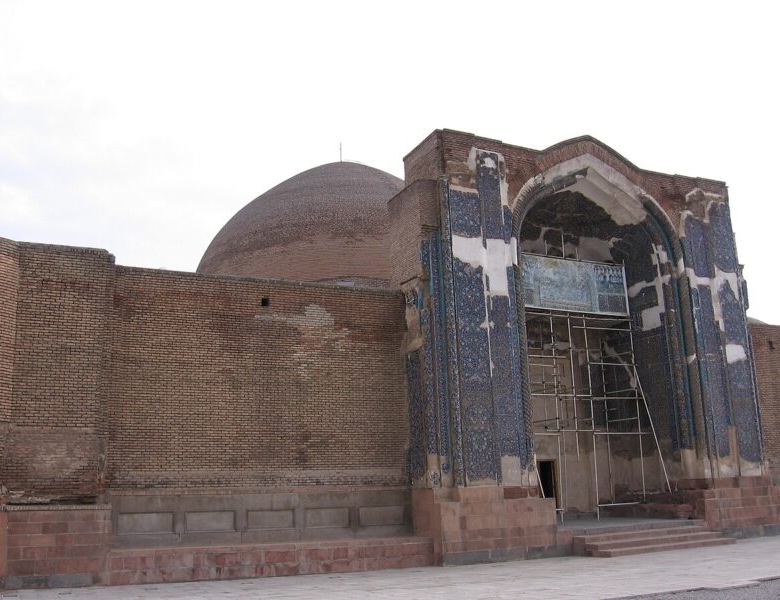
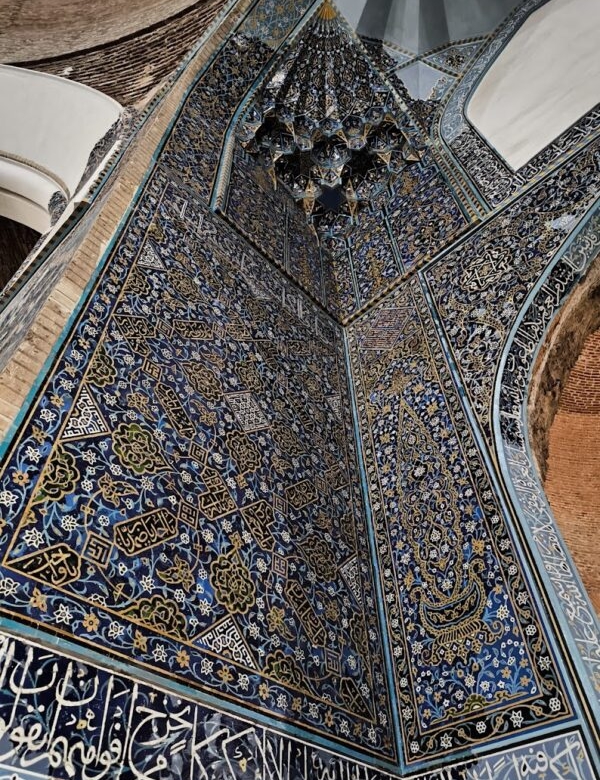
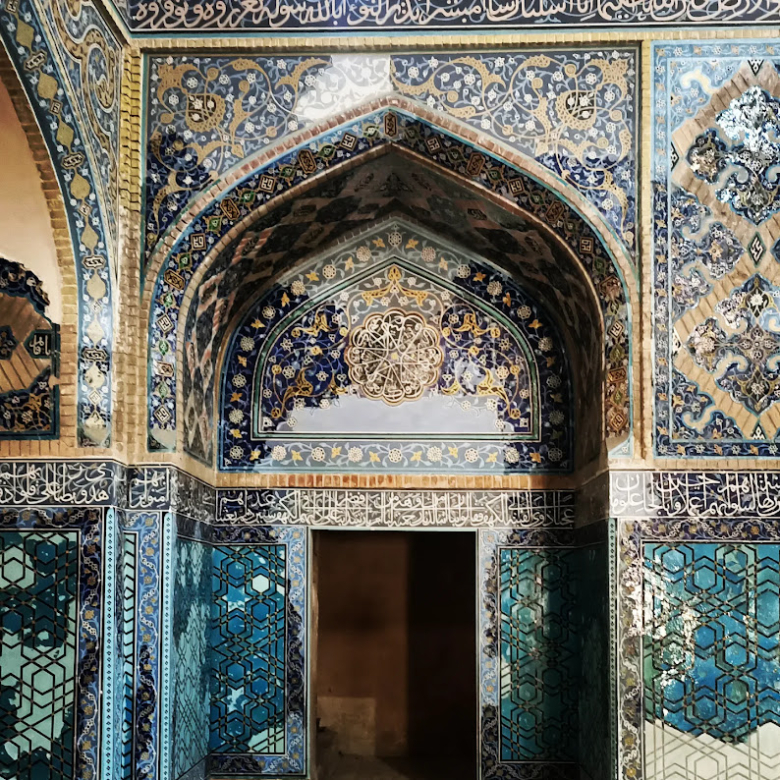
The Blue Mosque, also known as the Jahan Shah Mosque and Mozaffarieh, is one of the most important architectural and historical monuments in Tabriz. Renowned for its breathtaking blue tilework and refined architectural design, the mosque stands as a symbol of the artistic brilliance and political significance of Tabriz during the 15th century.
Historical Background
The mosque was commissioned in 1465 by Jahan Shah, the powerful ruler of the Qara Qoyunlu (Black Sheep Turkmen) dynasty. During his reign, Tabriz flourished as a political and cultural capital, connecting trade routes between Anatolia, the Caucasus, Persia, and Mesopotamia. Seeking to establish both spiritual authority and royal prestige, Jahan Shah ordered the construction of a grand mosque complex that would reflect the power and sophistication of his rule.
The mosque was originally known as Mozaffarieh, named after Jahan Shah’s royal title “Al-Muzaffar.” It formed part of a larger architectural complex that included a library, a khanqah (Sufi lodge), and possibly educational spaces, indicating that it functioned not only as a place of worship but also as a center of learning and spirituality.
Architectural Excellence
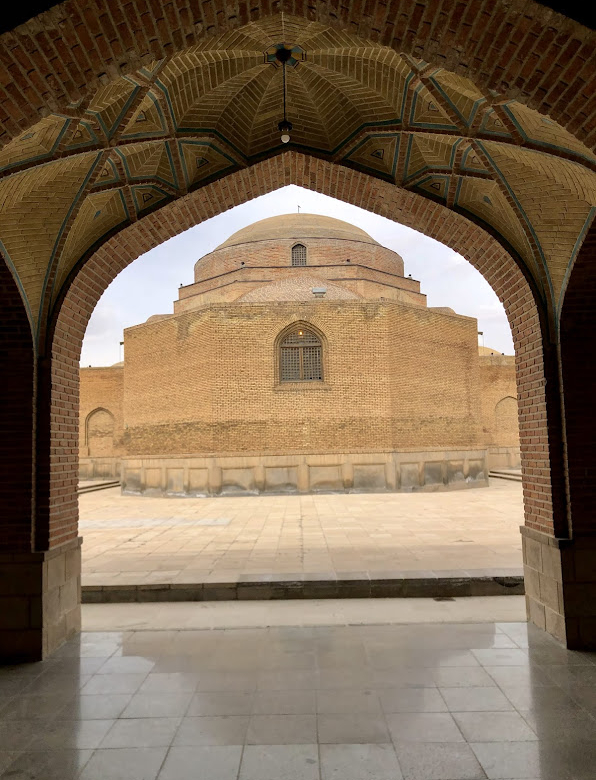
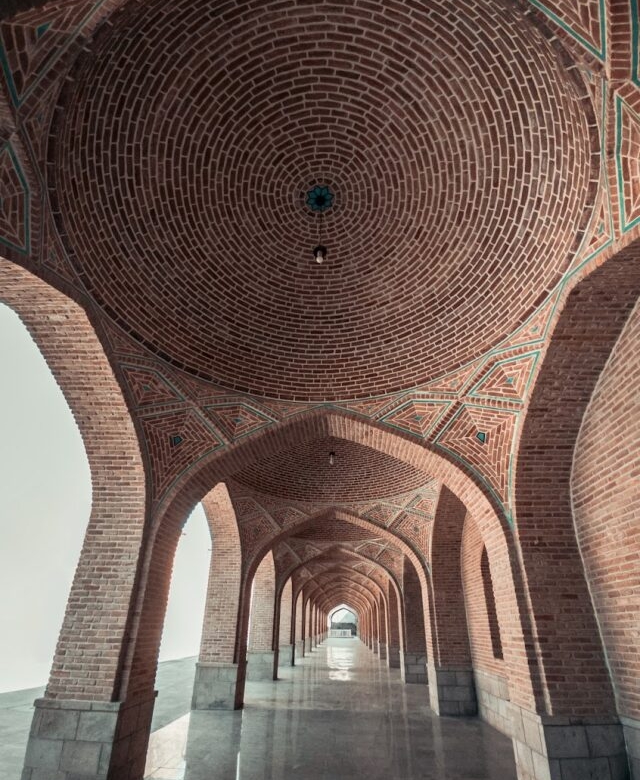
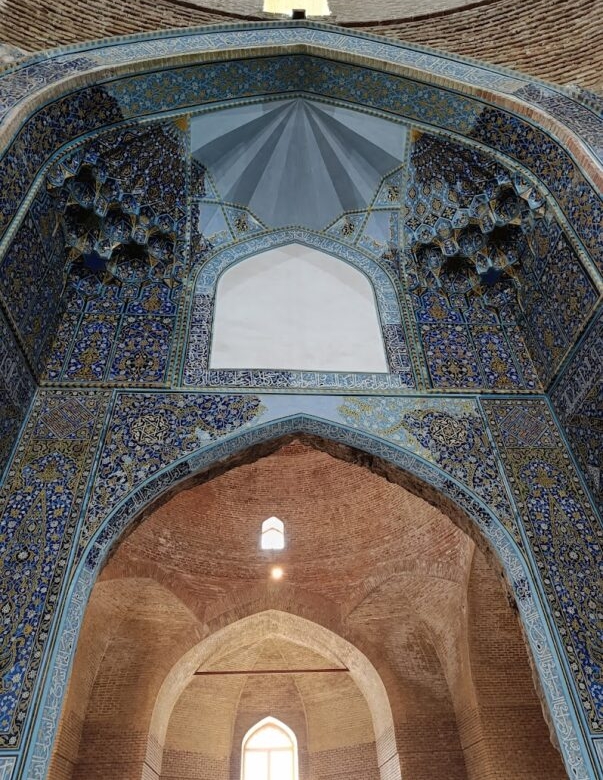
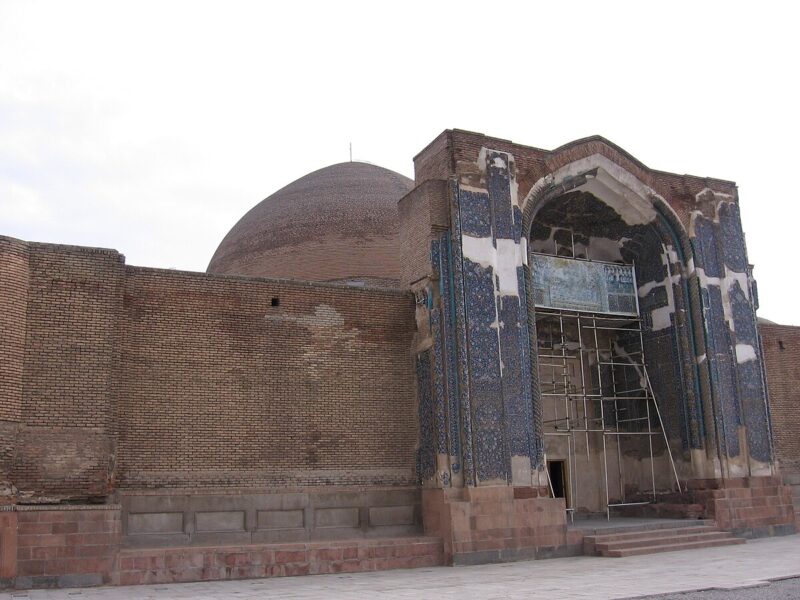
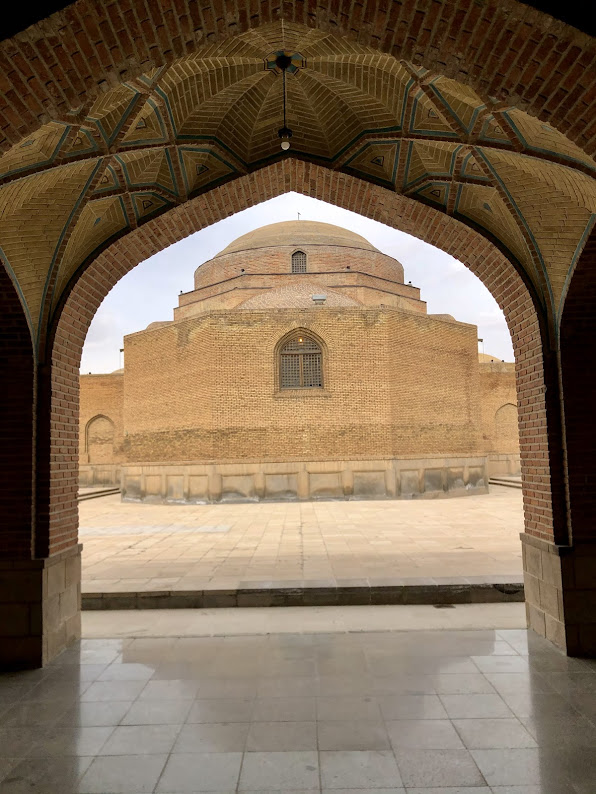
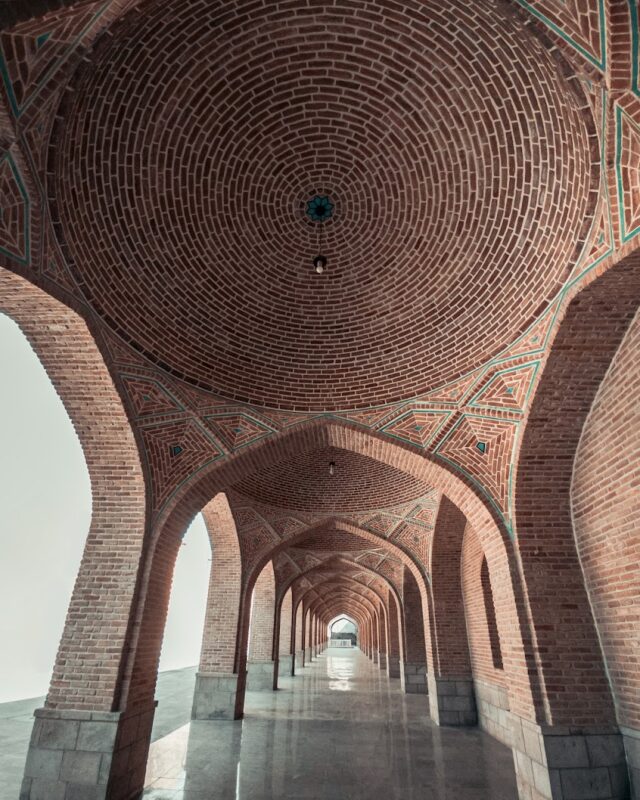
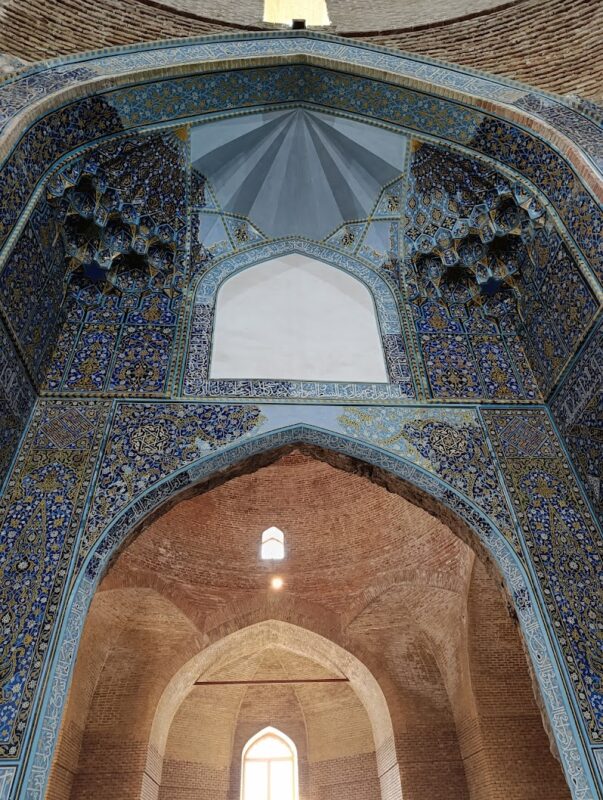
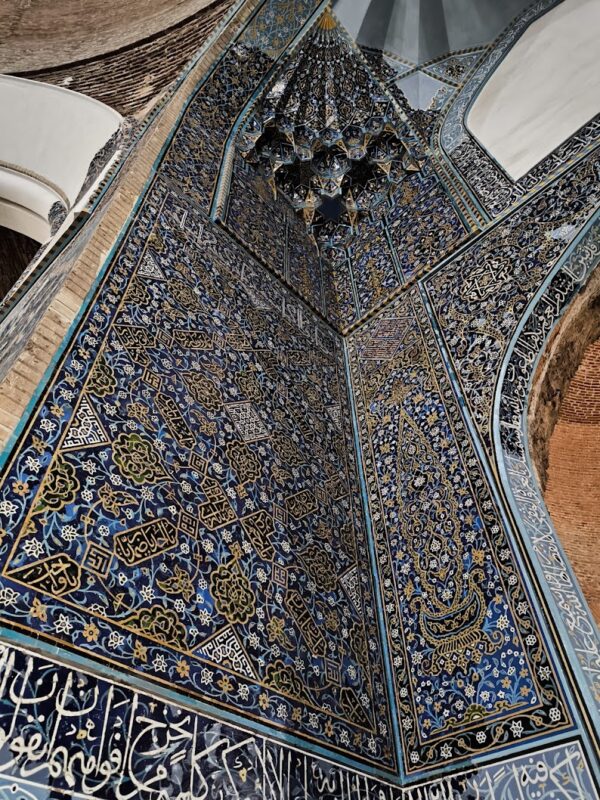
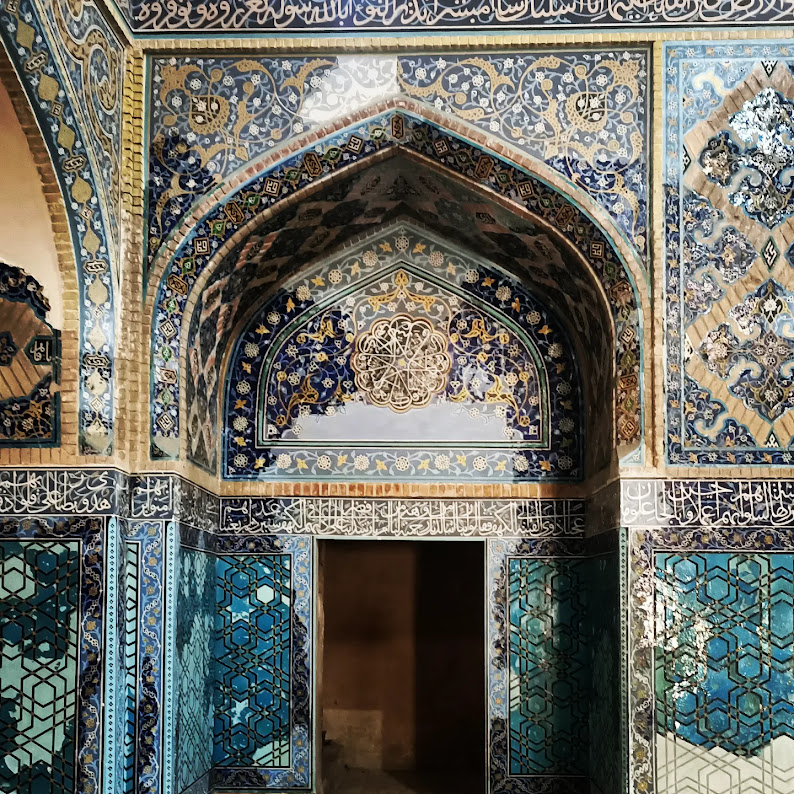
The Blue Mosque represents one of the finest surviving examples of late Timurid and Turkmen architecture. Its design features a large domed prayer hall, high iwans (vaulted entrances), and massive brick structures covered with intricate mosaic tilework. The mosque earned the nickname “Turquoise of Islam” because of the dominant use of deep blue and turquoise glazed tiles that decorated both the exterior and interior surfaces.
The decorative program included complex geometric patterns, arabesque motifs, and exquisite Quranic inscriptions rendered in elegant Thuluth and Kufic calligraphy. Unlike many other mosques of the period, the Blue Mosque relied heavily on rich tile mosaics rather than painted plaster, giving it a luminous and luxurious appearance.
Earthquake and Destruction
In 1779, a devastating earthquake struck Tabriz, causing extensive destruction throughout the city. The Blue Mosque suffered severe damage; its domes collapsed, and much of the structure was reduced to ruins. For decades, only portions of the grand entrance portal and parts of the walls remained standing. The once magnificent complex fell into partial ruin, becoming a silent reminder of its former glory.
Despite the destruction, the surviving tilework fragments demonstrated the extraordinary craftsmanship of the original builders and drew the attention of historians and travelers.
Restoration and Modern Era
Restoration efforts began gradually in the 20th century, particularly under the supervision of Iranian cultural heritage authorities. Archaeological studies and architectural research aimed to reconstruct the collapsed sections while preserving the authenticity of the remaining original elements. The rebuilding of the main dome and prayer hall was carefully undertaken to reflect the original design as accurately as possible.
Today, the Blue Mosque stands restored yet historically layered — combining original 15th-century elements with modern conservation work. It remains one of the most visited landmarks in Tabriz and a highlight for travelers exploring northwestern Iran.
Cultural Significance
Beyond its architectural beauty, the Blue Mosque represents a crucial chapter in the history of Tabriz, a city that later served as a capital during the Safavid era and played a key role in Iran’s political and commercial history. The mosque reflects the artistic exchange between Persian, Anatolian, and Central Asian traditions during the Turkmen period.
As a surviving masterpiece of the Qara Qoyunlu dynasty, the Blue Mosque is not only a religious monument but also a testament to the resilience of cultural heritage in the face of natural disasters and the passage of time. Today, it continues to inspire admiration among historians, architects, and visitors from around the world.
Address
Open on Google Maps-
Address: Khiyaban, Tabriz, East Azerbaijan Province, Iran
-
City: Tabriz
-
State/county: East Azerbaijan
Similar Listings
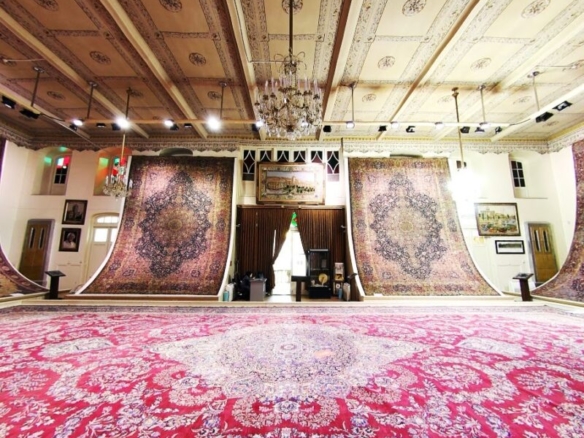
The Tabriz Municipality Palace
East Azerbaijan, TabrizThe Tabriz Municipality Palace, commonly known as the Tabriz City Hall, is...
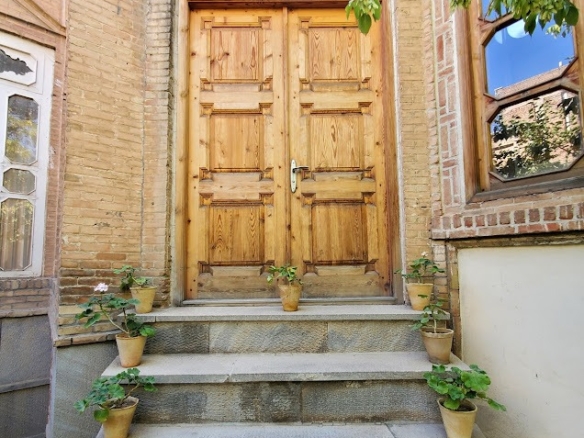
The Ali-Masou Museum
East Azerbaijan, TabrizThe Ali-Masou Museum is a cultural and historical museum located in Tabriz,...

The Ghari Bridge
East Azerbaijan, TabrizThe Ghari Bridge is a historic bridge located in Tabriz, spanning a...

 The Blue Mosque of Tabriz
 The Blue Mosque
 The Blue Mosque
 The Blue Mosque
 The Blue Mosque
 The Blue Mosque