
Rocky Cemetery of Siraf
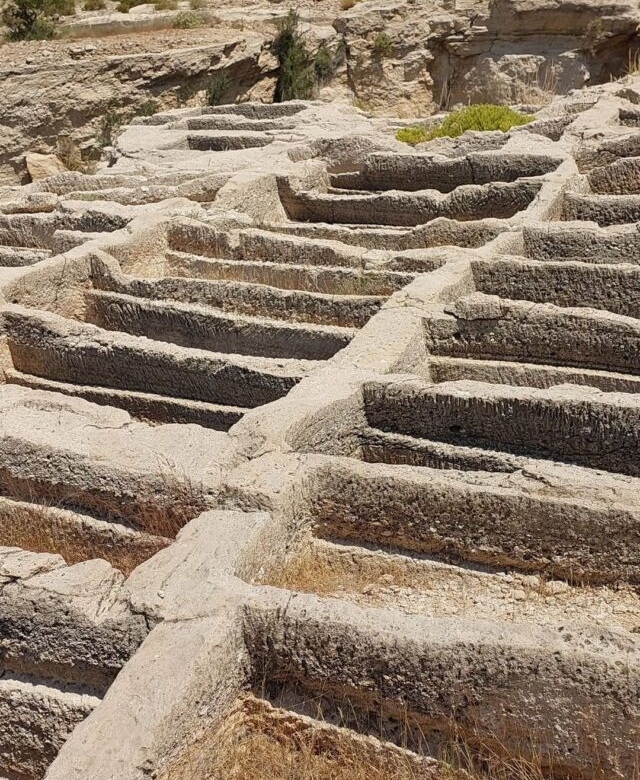

Description
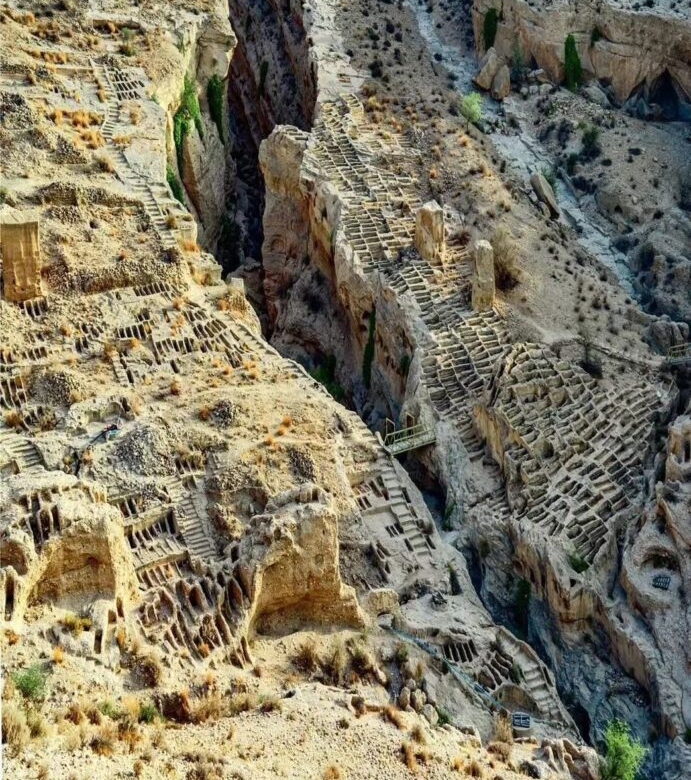
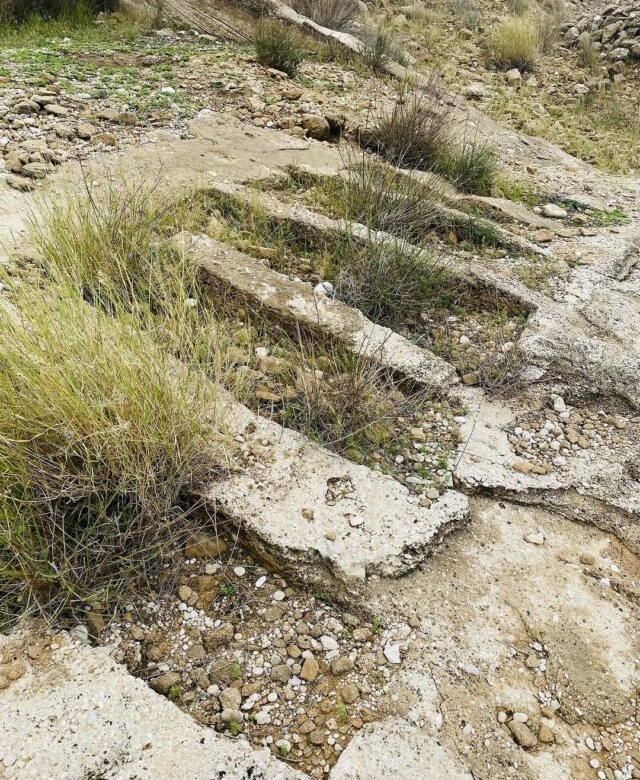
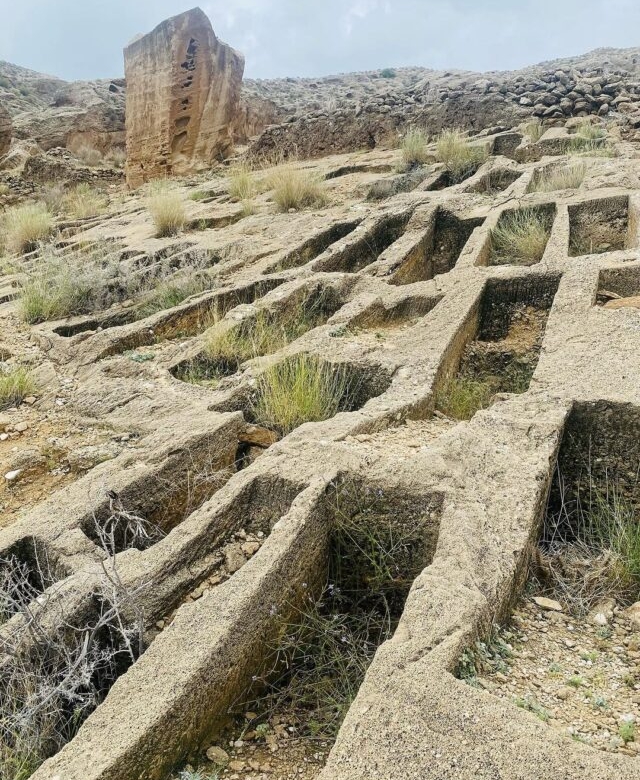
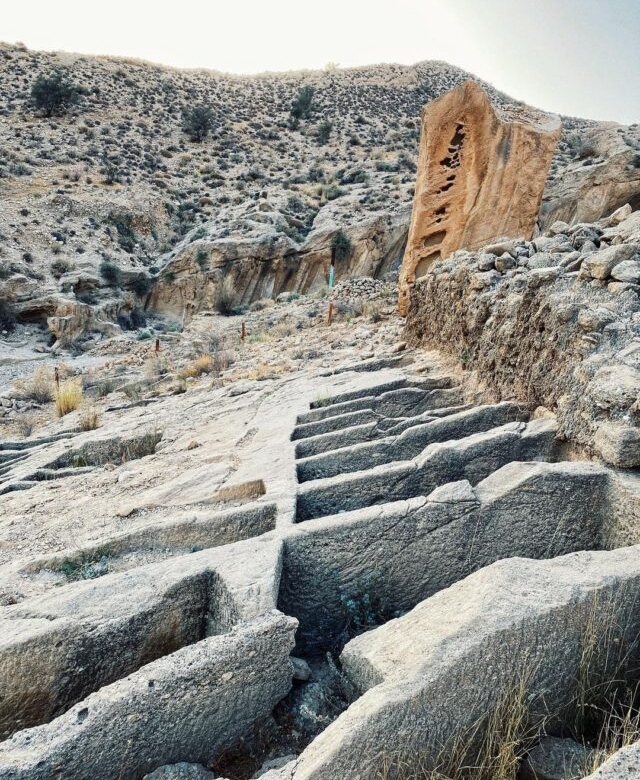
The Rocky Cemetery of Siraf is one of the most intriguing and historically significant archaeological sites in Bushehr Province, southwestern Iran. Perched dramatically along the cliffs overlooking the Persian Gulf, this cemetery showcases the ancient burial practices of the region’s inhabitants, dating back to the Sassanid era (224–651 CE) and early Islamic periods. Its location near the historic port city of Siraf reflects the city’s prominence as a major hub for maritime trade, connecting Persia with India, East Africa, and the Arabian Peninsula during antiquity.
Features
Address
Open on Google Maps-
Address: Bandar Siraf
-
State/county: Bushehr
Any use of services is conducted directly between the user and the respective service provider, and this website assumes no responsibility for any disputes, damages, or potential issues arising therefrom.

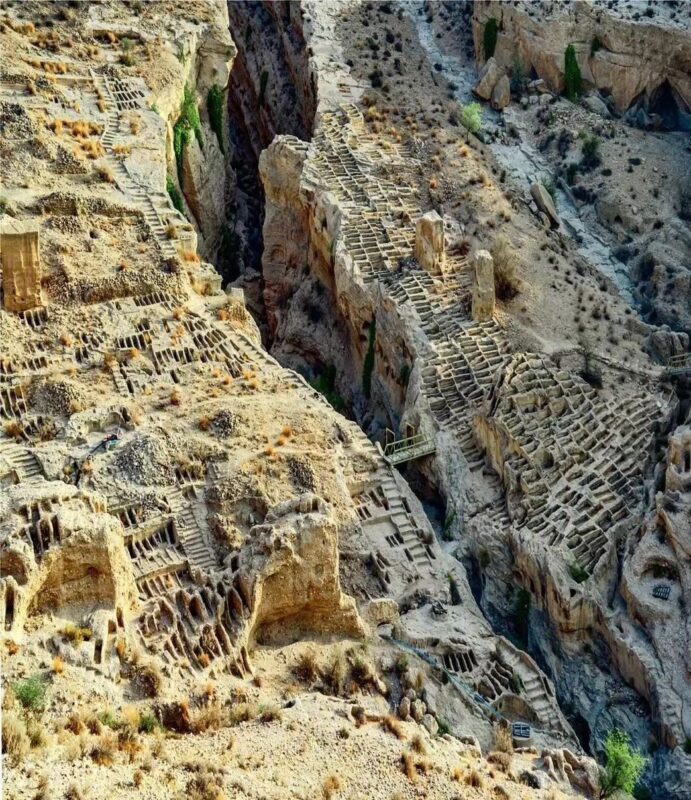 Rocky Cemetery of Siraf
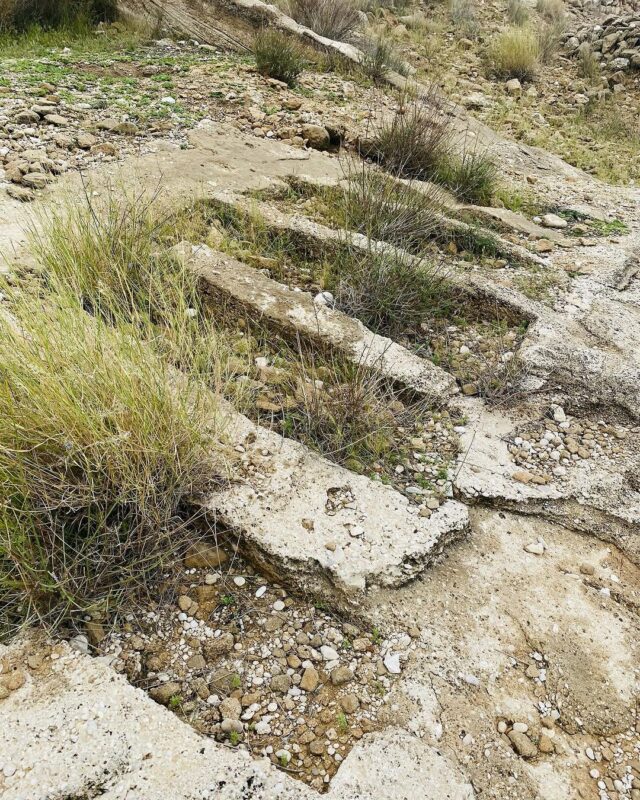 Rocky Cemetery of Siraf
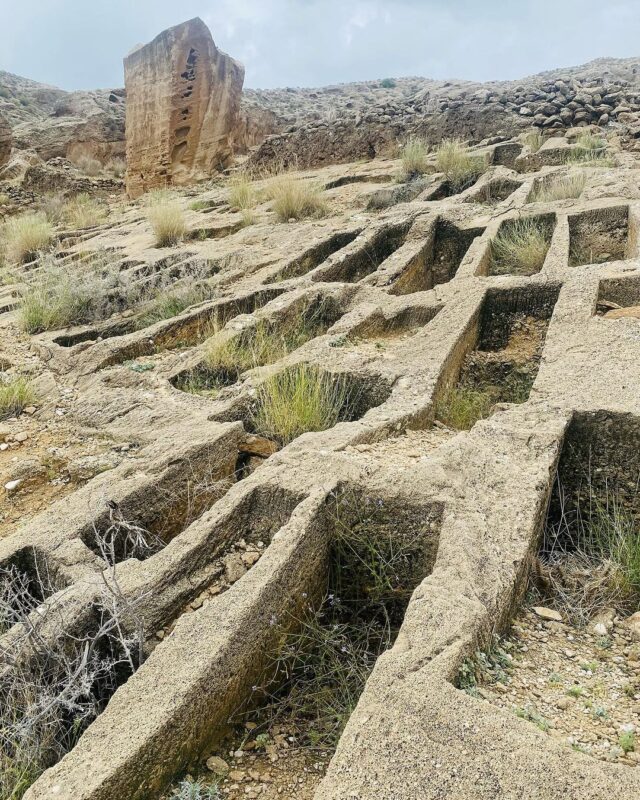 Rocky Cemetery of Siraf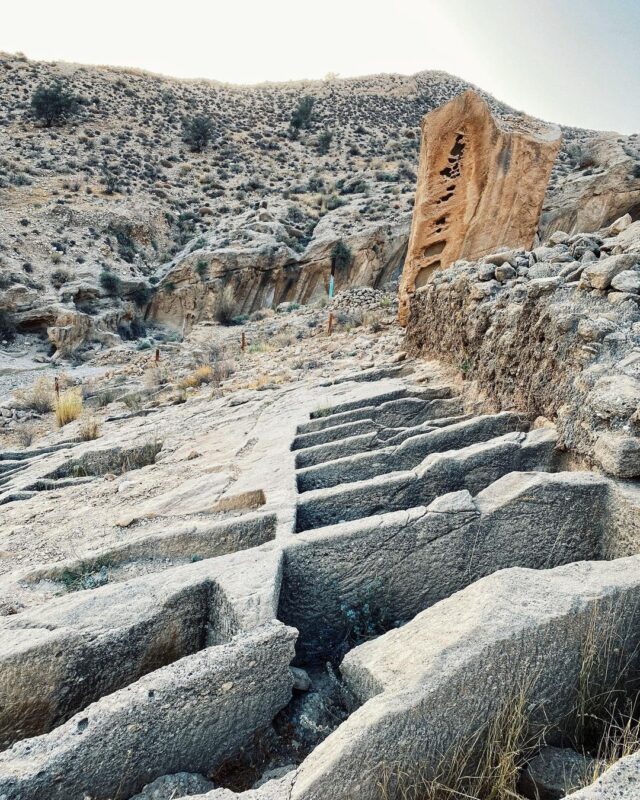
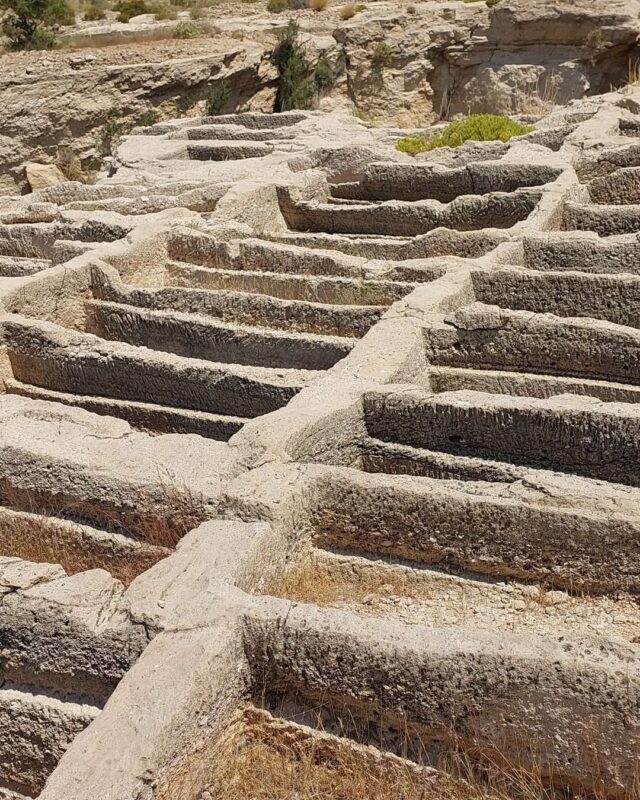 Rocky Cemetery of Siraf