Attractions in Iran

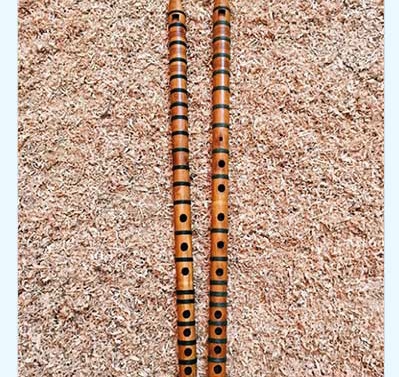
Donali

The Donali is a pair of fipple flutes played simultaneously. They're made of reed, typically around 25-30 centimeters long, and are traditionally played by men. One flute is called the "male" (نر) and the other the "female" (ماده). The male flute plays the melody, while the female flute provides harmony and rhythm.History and Origin:The Donali is believed to have originated in Sindh and Balochistan...
Tunbak

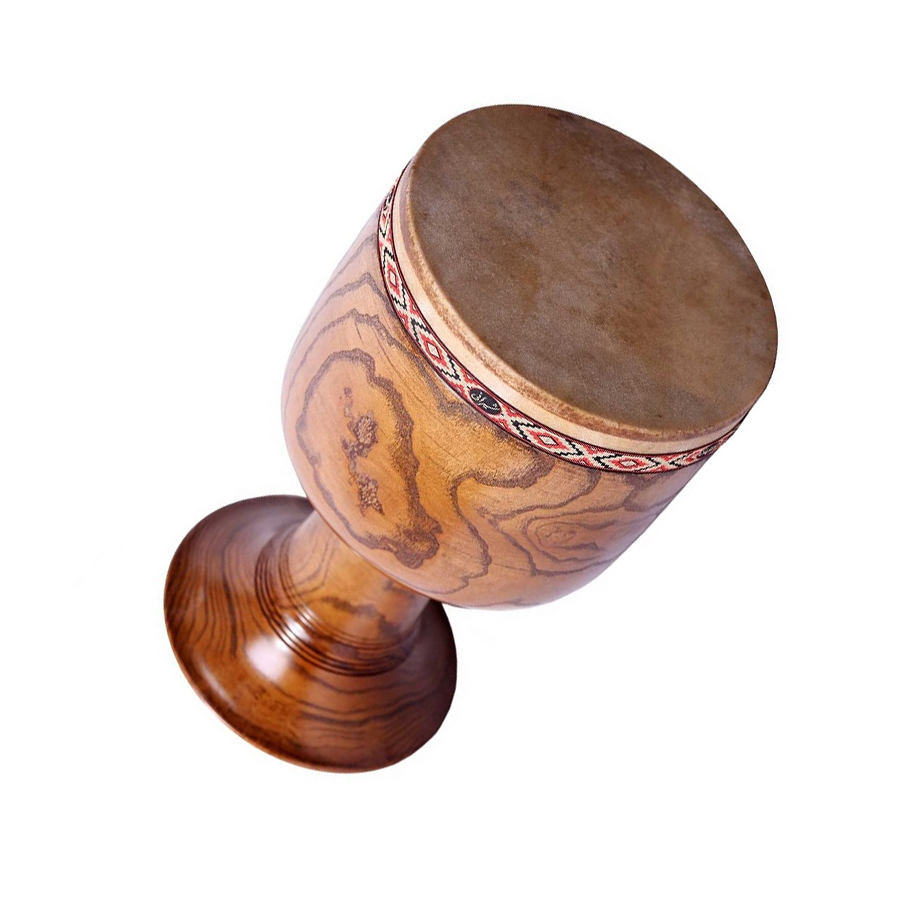
The tunbak, also known as tombak or zarb, is a captivating percussion instrument deeply ingrained in the musical traditions of Sistan and Baluchistan, Iran. Here's a closer look at its history, characteristics, and significance in the region:History and Origin:Ancient roots: The tunbak's history stretches back centuries, with evidence of its use in ancient Persia and Mesopotamia. Some scholars believe it...

Khosukhsu game, in Sistan and Baluchistan, Iran

Khosu khsu" (also commonly spelled "Xo-xo")! This intriguing game from Sistan and Baluchistan, Iran, finally rings a bell. Here's what I know about it: A Game of Chance and Skill: Simple yet Strategic: Khosu khsu is played with five flat pebbles or small stones, each designated as either "head" or "tail." Players take turns flipping the stones and predicting whether they'll land heads or...

Tutan Sawari

Tutan Sawari is a traditional game played in Sistan and Baluchistan, Iran. It's also known by other names like Lal Sawari or Tutan Tutan, and its origins can be traced back centuries. The game is a test of balance, agility, and coordination, and it's often played as a form of entertainment or competition.How to PlayTutan Sawari is played with a long, thin pole that is approximately 1.5 meters (5 feet)...

blank

Gol-gol

Gol-gol" indeed sounds like a much more accurate description of the game you're interested in. While information about it might be somewhat scattered, let's see what we can discover together:A Game of Hidden Treasures:A Game of Hidden Treasures:Regional Variant: Gol-gol, also known as Gol ya Poch or "Handy-Dandy," is a popular guessing game with deep roots in Iranian childhoods, including Sistan and...

blank

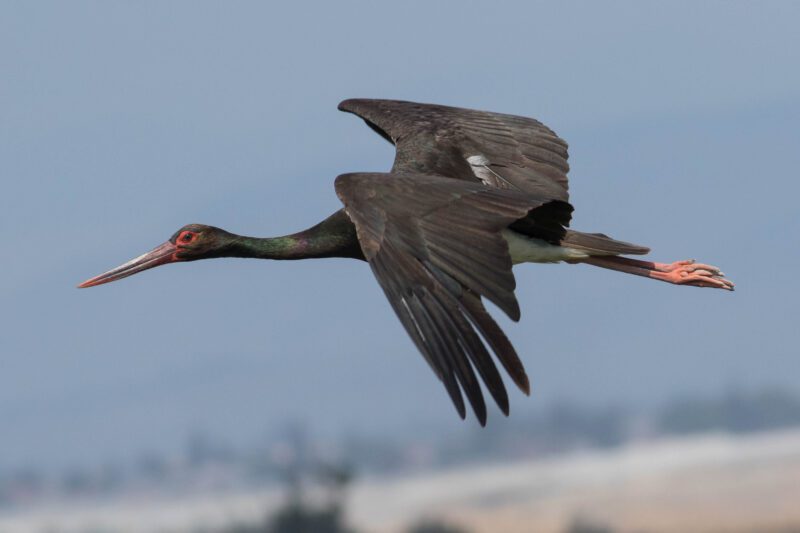
Black stork of Sistan and Baluchistan

The black stork of Sistan and Baluchistan, Iran, is a regal bird shrouded in mystery, its silhouette gliding across the region's arid landscapes like a whisper of darkness. Let's unravel the secrets of this fascinating creature:A Vision of Grace:Elegant Appearance: Standing tall on slender legs, with a long, curved beak and wingspan reaching up to 6 feet, the black stork cuts a striking figure against...

blank

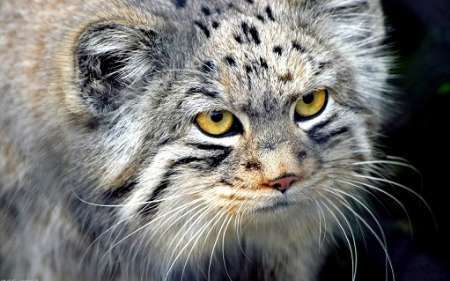
Pallas cat of Sistan and Baluchistan

The Pallas's cat of Sistan and Baluchistan, Iran! This enigmatic creature, also known as the Manul, is a captivating resident of the region's arid plains and rocky outcrops. Let's delve into its world and discover its secrets:A Master of Camouflage:Fluffy Fur: With its thick, silvery-gray fur blending perfectly with the desert stones, the Pallas's cat is a master of camouflage, making it difficult to spot...

blank

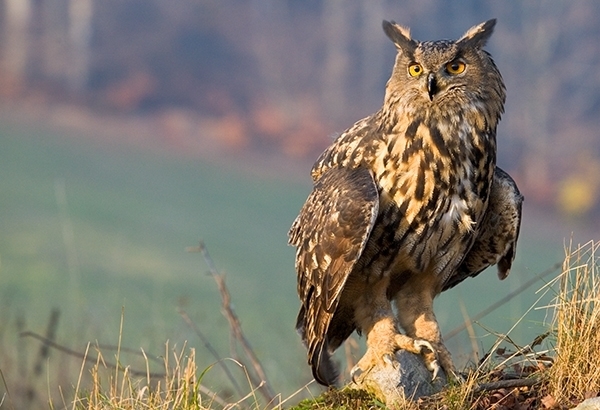
The horned owl of Sistan and Baluchistan

The horned owl of Sistan and Baluchistan, Iran, also known as the desert eagle owl (Bubo desertorum), is a majestic and fascinating creature that reigns supreme in the region's arid landscapes. Here's a glimpse into its world:A Desert Royalty:Majestic Appearance: Standing tall at around 2ft, with striking golden eyes, prominent ear tufts, and a powerful wingspan, this owl commands respect in its...

blank

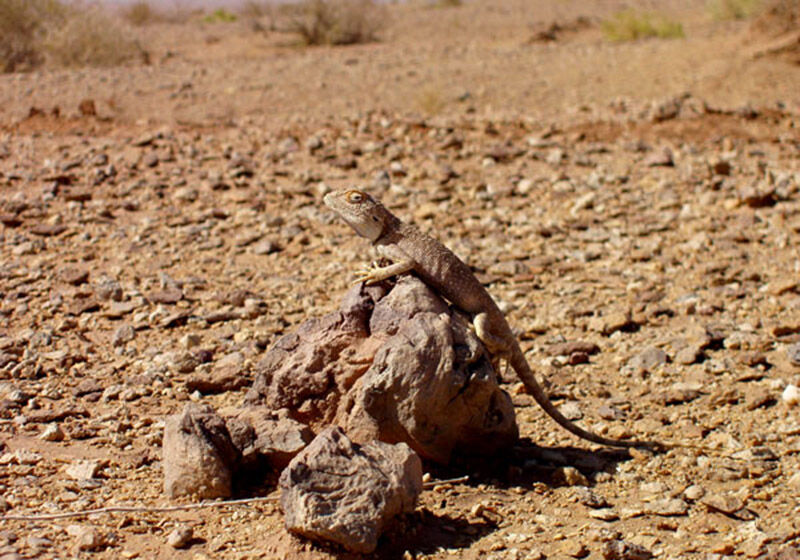
While the Indian garden lizard

While the Indian garden lizard (Calotes versicolor) is indeed found in several parts of India and Pakistan, its occurrence in Sistan and Baluchistan, Iran, is considered extremely rare.There have been only a few historical records of the species in the region, dating back to the late 19th and early 20th centuries. Since then, there have been no confirmed sightings, leading some researchers to believe that...

blank

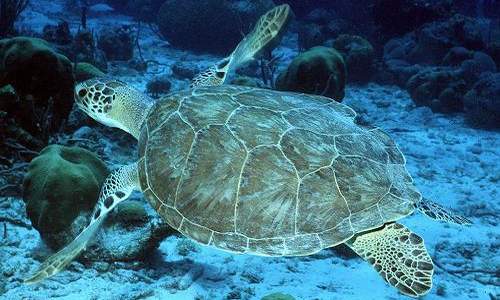
Sea turtles

Sistan and Baluchistan, located in the southeast corner of Iran, isn't known for hosting sea turtles. Their primary habitat lies in the warmer waters of the Persian Gulf and Gulf of Oman, predominantly along the coasts of Hormozgan and Bushehr provinces further south.However, there have been some intriguing reports of sea turtle sightings in the coastal areas near Chabahar, the only oceanic port in Iran....