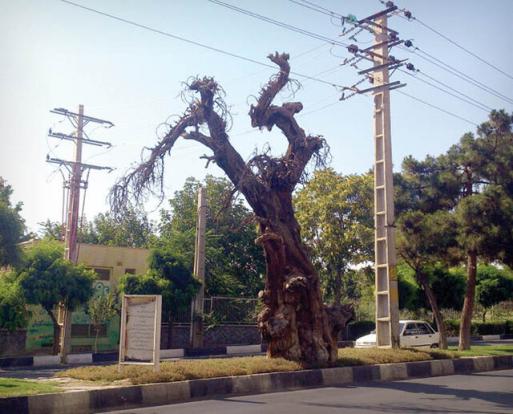
The Tragic Fate of the 1300-Year-Old Plane Tree of KarajThe 1300-year-old plane tree of Karaj, once a symbol of resilience, life, and hope, succumbed to drying up, withering]) in 2013. This ancient tree, nestled in the historical Hesar neighborhood, held countless memories for the residents of Karaj and nature enthusiasts alike. A Legacy and Its Value: Enduring Witness: The tree's remarkable age of...
Attractions in Iran
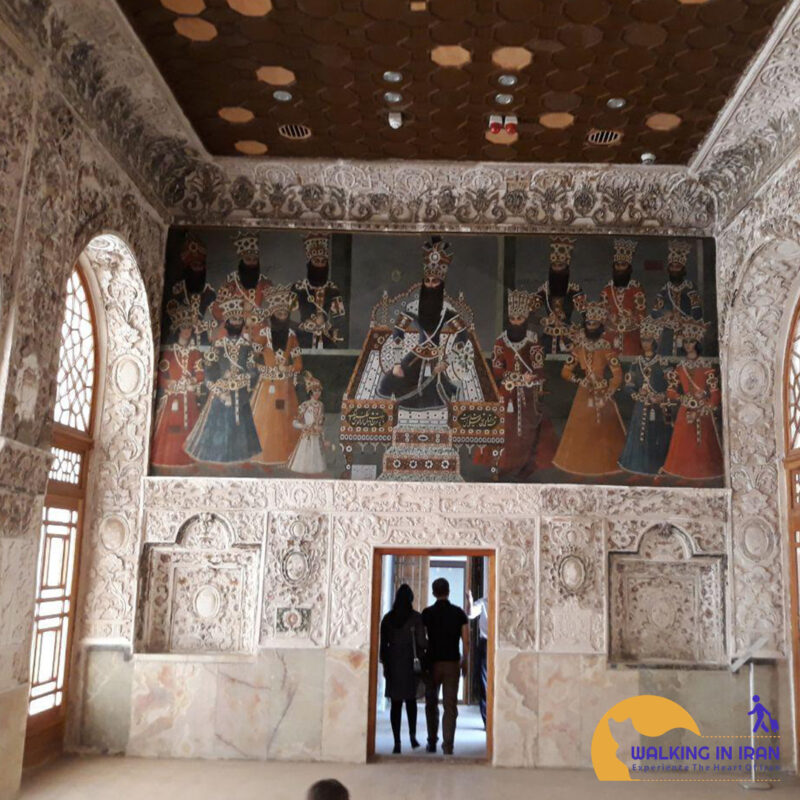
Suleimaniyeh Palace Museum, Karaj: A Jewel of Iranian History and ArtThe Suleimaniyeh Palace Museum, nestled in Karaj, Iran, stands as a magnificent monument from the Qajar era. Its captivating architecture and exquisite ornamentation transport visitors back in time, offering a glimpse into the historical and artistic grandeur of the period. Stepping through its grand entrance feels like embarking on a...
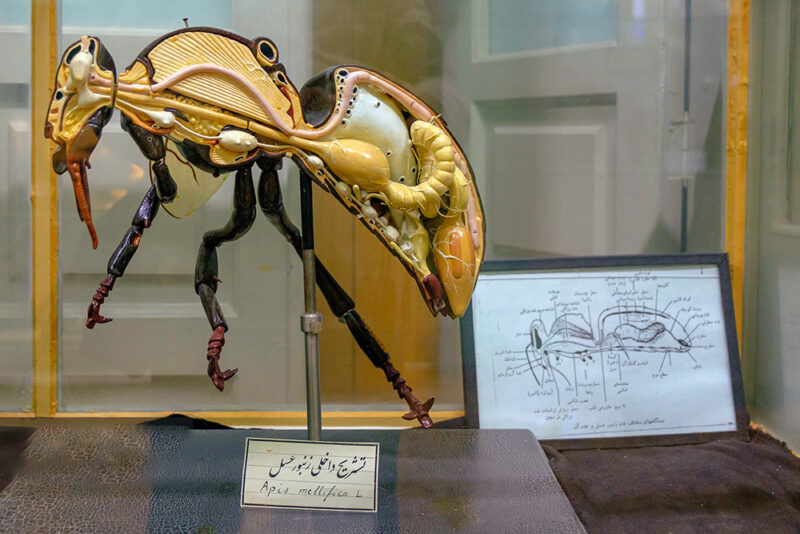
Karaj College of Agriculture Zoology Museum: A Journey Through the Wondrous World of AnimalsEmbark on a fascinating exploration of the animal kingdom! The Karaj College of Agriculture Zoology Museum, boasting a history of over 80 years, opens a window into the unparalleled biodiversity of our planet. Here, you'll encounter a remarkable collection of taxidermied animals, skeletons, insect specimens, and...
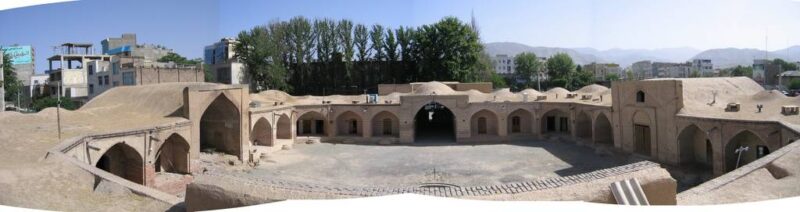
Shah Abbasi Caravanserai, Karaj: A Gateway to History, Culture, and LegendThe majestic Shah Abbasi Caravanserai, nestled in the heart of Karaj, Iran, acts as a portal to the past. Stepping inside this historic structure evokes a sense of time travel, transporting you to the bustling Silk Road era and the grandeur of the Safavid dynasty (1501-1736). A Rich History: Construction: Built in the late...
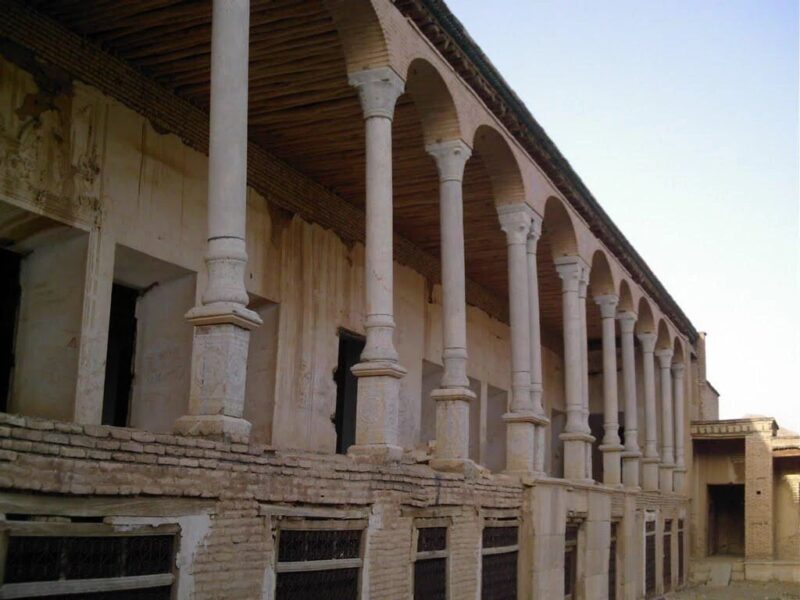
Samsami Castle, also known as Samsam ol-Saltaneh Castle or Karaj Castle, stands on the southern side of Jomhuri Street in Karaj, Iran. Dating back to the Qajar period (1789-1925), the castle serves as a reminder of the era's grandeur and power. Stepping through its gates feels like stepping back in time, allowing you to experience the magnificence and beauty of the Qajar era. History of the...
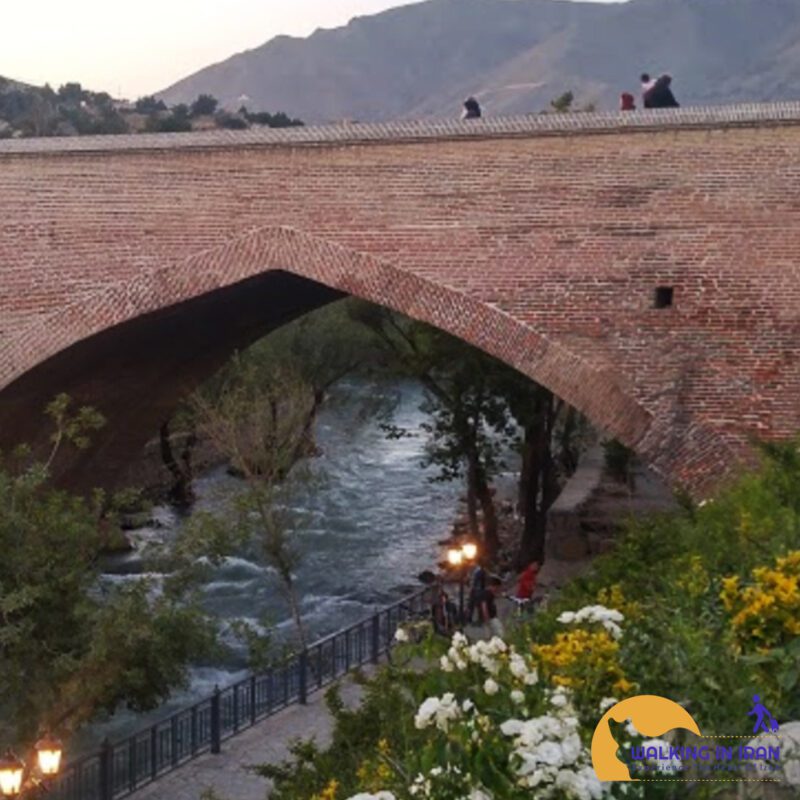
The Shah Abbasi Karaj Bridge, also known as the Daughter Bridge (Pol-e Doxtar), is a historical landmark and functioning bridge in Karaj, Iran. Built during the Safavid era (1501-1736) by order of Shah Abbas I, the bridge stands as a testament to the era's engineering and artistic achievements. Attributed to the renowned architect Sheikh Bahai, the bridge showcases a unique architectural style....
The Kish Native Anthropology House is a museum located in Kish Island, Iran. It is a traditional Arab house that was built in the early 1800s. The house belonged to a wealthy merchant named Haj Abdullah bin Shahin. It was later donated to the government and converted into a museum. The museum is divided into two sections. The first section is dedicated to the history and culture of the Kish people....
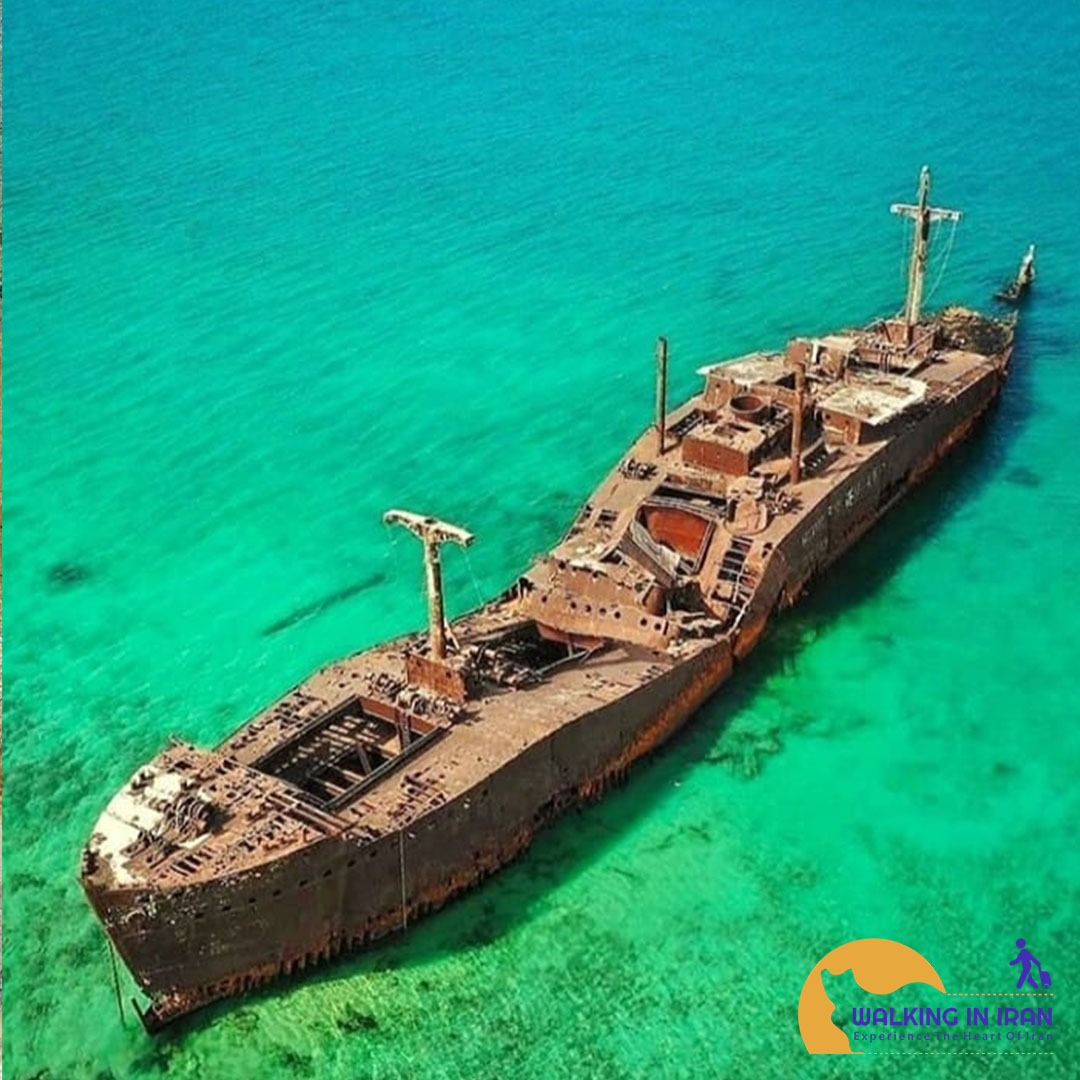
The Greek Wreckage, also known as the Khoula F, is a rusting cargo ship that has been beached on the southwest coast of Kish Island, Iran, since 1966. The ship was built in 1943 by the British shipyard of William Hamilton and Company in Port Glasgow, Scotland, under the name Empire Trumpet. From 1946 to 1966, she passed through a series of British and Iranian owners and various changes of name. Her final...
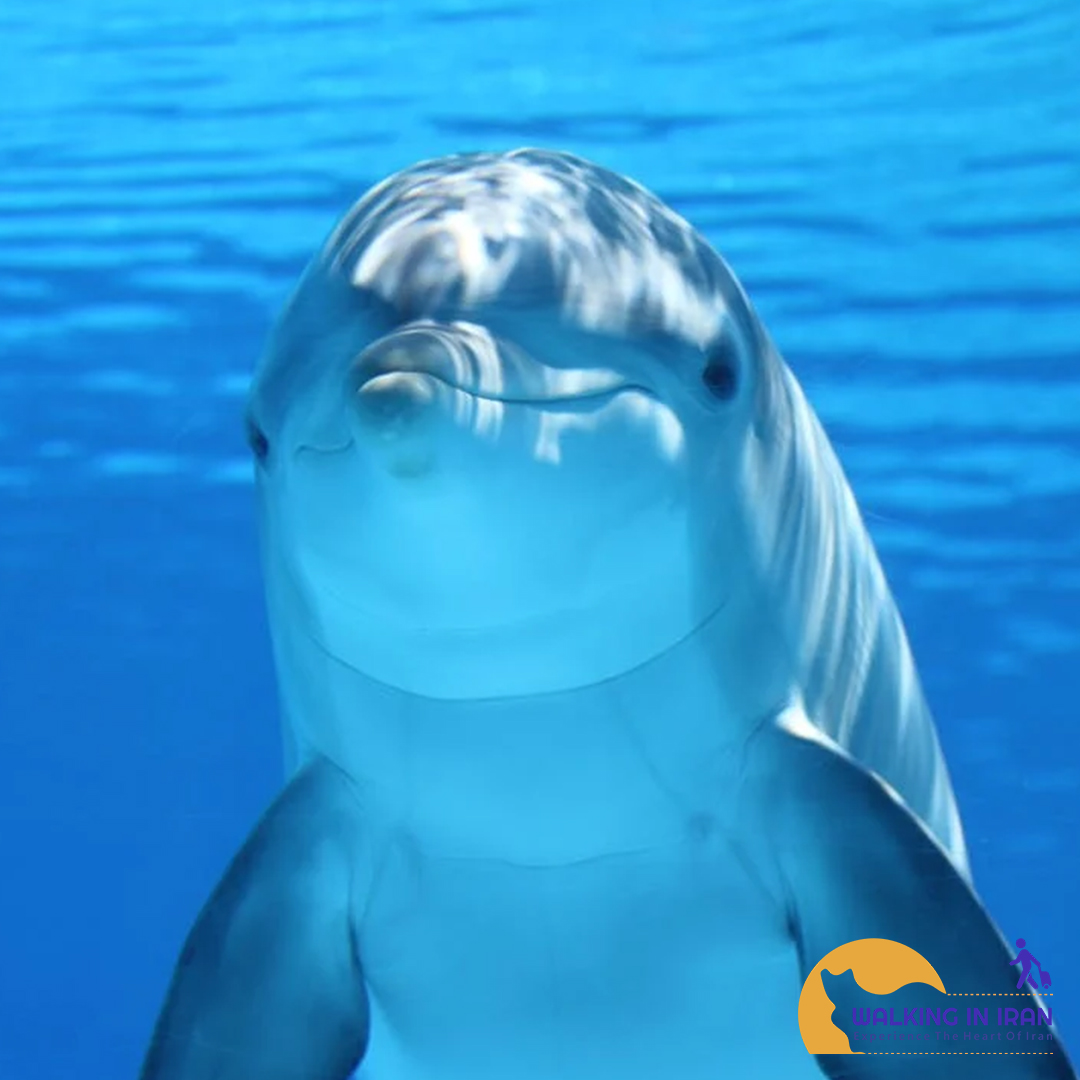
Kish Dolphin Park is the first and only dolphinarium in Iran. It is located in the southeast of Kish Island, about 7 kilometers from the pier and Maryam bowling complex, and 3 kilometers from Marjan (Coral) Bazaar. The park is home to a variety of marine mammals, including dolphins, sea lions, and penguins. The park was opened in 2004 and has since become a popular tourist destination. Visitors can...
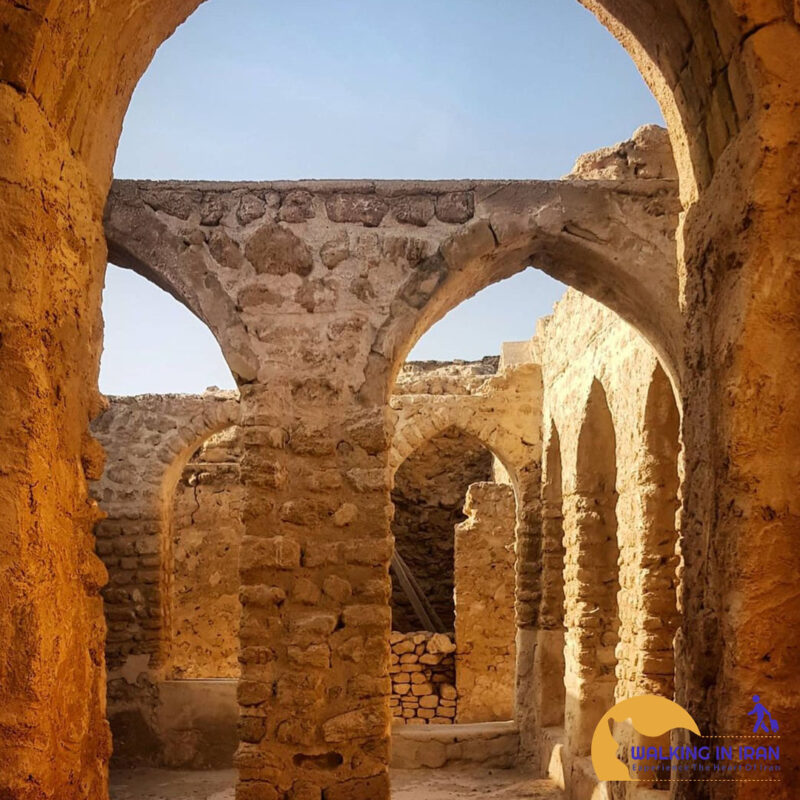
Harireh Ancient City is an archaeological site located on Kish Island, Iran. It is estimated to be around 800 years old and is one of the most important historical sites on the island. The city was once a thriving metropolis, but it was abandoned in the 14th century after an earthquake. The ruins of Harireh Ancient City are spread over an area of 3 square kilometers. The most notable features of...