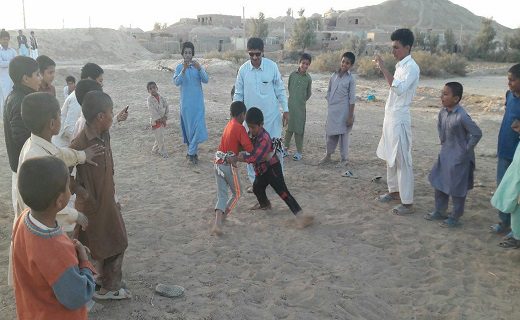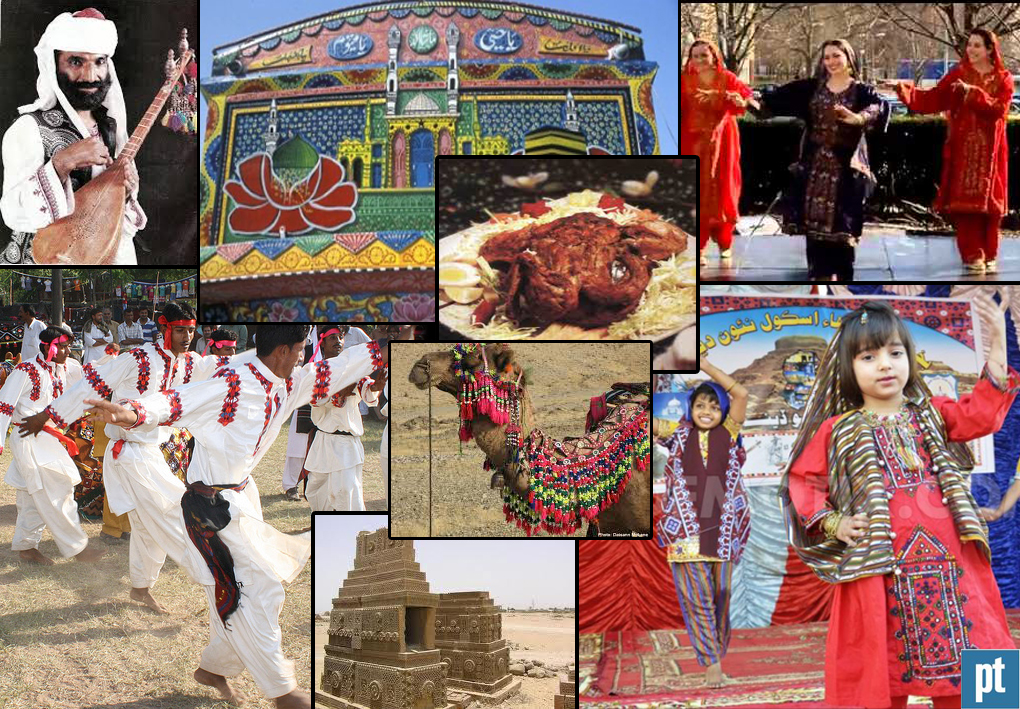
The people of Sistan and Baluchistan, Iran, are a diverse and fascinating group with a rich history and culture shaped by their unique environment and traditions. Here's a glimpse into their lives: Ethnic Composition:Baloch: The majority ethnic group, known for their strong tribal identities, nomadic past, and colorful traditions like music and dance. Sistani: Primarily settled in the northern...
The local dress of Sistan and Baluchistan, Iran, is a captivating tapestry of vibrant colors, intricate embroidery, and cultural identity. It's a delightful blend of practicality and aesthetics, reflecting the region's unique traditions and diverse communities. Sistani Attire:Men: Often wear loose white shirts ("cheltariz") and pants ("nipak"), paired with a black vest ("basket"). Headwear like...
Weddings in Sistan and Baluchistan, Iran, are vibrant celebrations steeped in tradition and rich cultural significance. Here's a glimpse into the beauty and uniqueness of these ceremonies:Pre-Wedding Festivities:Khastegari (Proposal): The groom's family formally approaches the bride's family with gifts and sweets, initiating the wedding process.Namzari (Engagement): A joyous ceremony where the couple is...
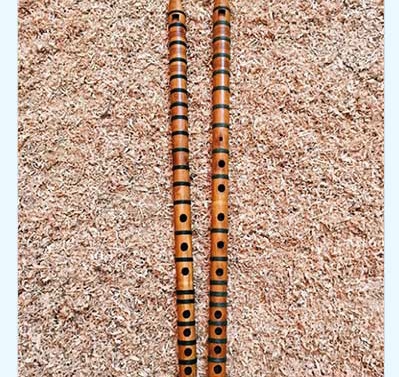
The Donali is a pair of fipple flutes played simultaneously. They're made of reed, typically around 25-30 centimeters long, and are traditionally played by men. One flute is called the "male" (نر) and the other the "female" (ماده). The male flute plays the melody, while the female flute provides harmony and rhythm.History and Origin:The Donali is believed to have originated in Sindh and Balochistan...
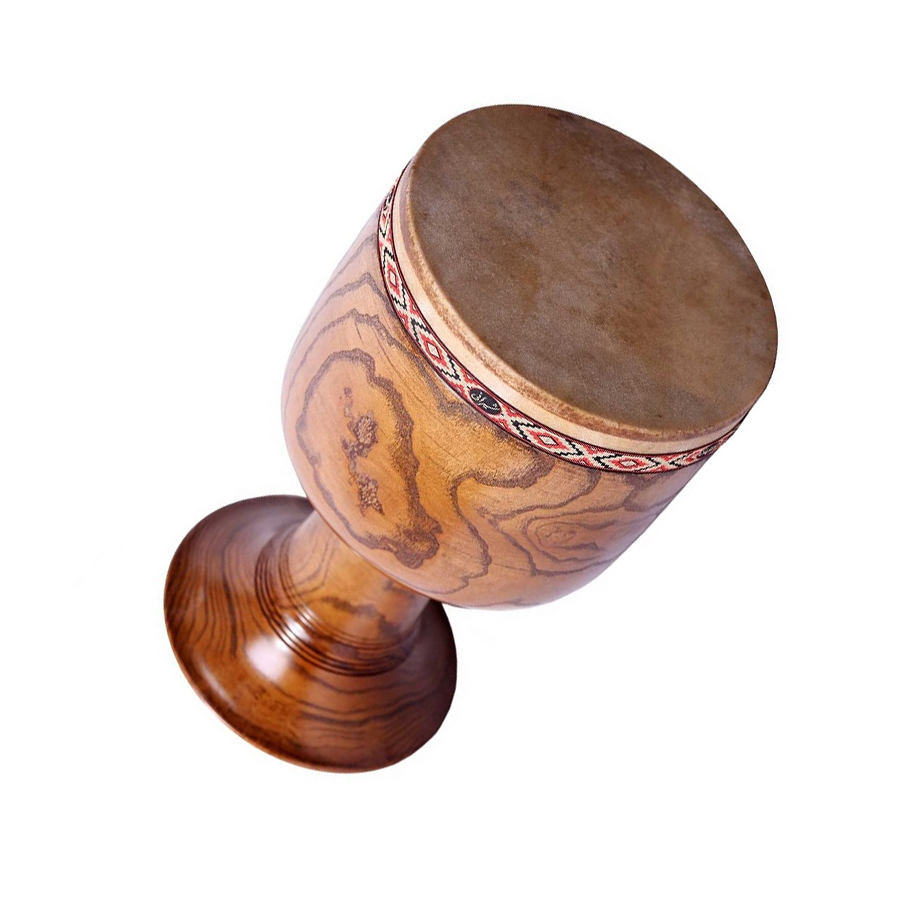
The tunbak, also known as tombak or zarb, is a captivating percussion instrument deeply ingrained in the musical traditions of Sistan and Baluchistan, Iran. Here's a closer look at its history, characteristics, and significance in the region:History and Origin:Ancient roots: The tunbak's history stretches back centuries, with evidence of its use in ancient Persia and Mesopotamia. Some scholars believe it...
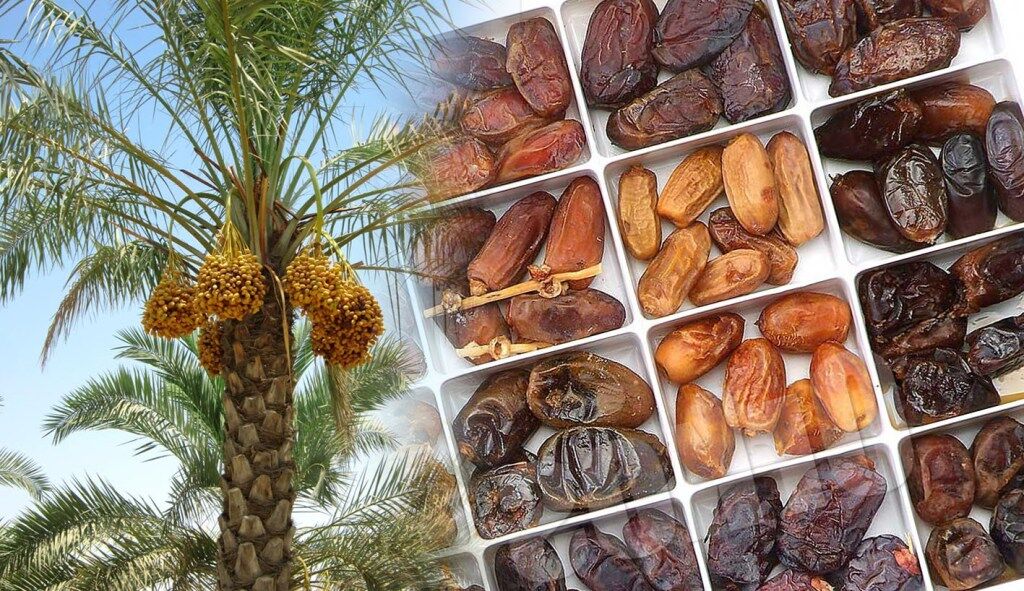
Dates, the sweet treasures of the desert, have a long and celebrated history in Sistan and Baluchistan, Iran. Here's a dive into their cultivation, unique varieties, and significance in the region:Cultivation:Favorable climate: The hot, arid climate of Sistan and Baluchistan, particularly in areas like Saravan and Zabol, is ideal for date palm growth. Dates require minimal water and thrive in the...
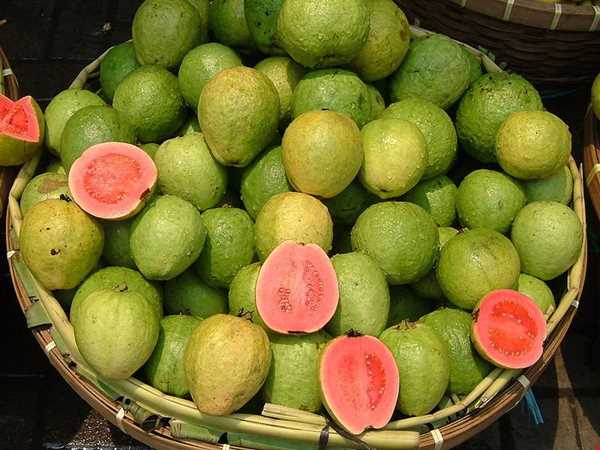
Guava, the tropical treat with a punch of vitamin C, has also found its place in the sun-drenched landscapes of Sistan and Baluchistan, Iran. Here's a closer look at this flavorful fruit and its journey in the region:Cultivation:Ideal climate: Guava thrives in the warm, humid coastal areas of Sistan and Baluchistan, particularly districts like Chabahar and Konarak, These areas provide the necessary...
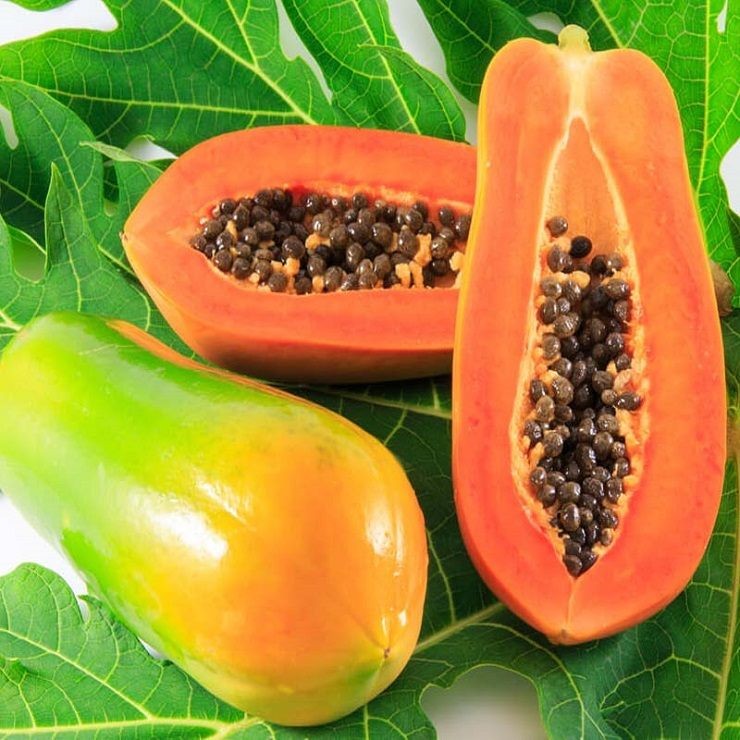
Papaya, also known as the tree melon, is gaining significant popularity in Sistan and Baluchistan, Iran. Here's a deeper look at its cultivation, benefits, and potential in the region: Cultivation: Growing regions: Papaya thrives in the warm, humid climate of Sistan and Baluchistan's coastal areas, particularly in districts like Chabahar and کنارک. Production potential: The region boasts...
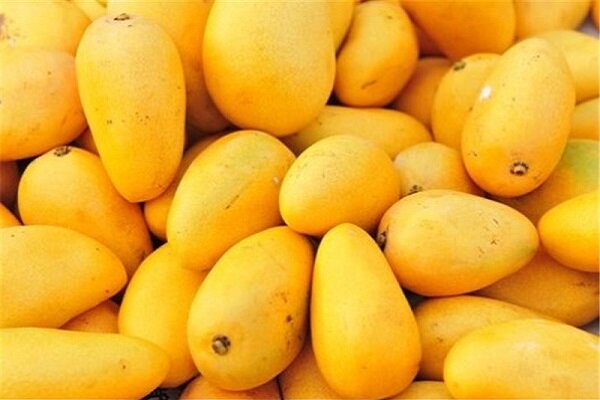
Mangoes in Sistan and Baluchistan, Iran, are a delicious success story! Despite the region's hot and arid climate, it has carved out a niche for itself as a significant mango producer in the country. Here's a deeper dive into the world of Sistan and Baluchistan mangoes: Mango Production: Favorable coastal areas: While much of the region is dry, the coastal areas in Sistan and Baluchistan offer a...
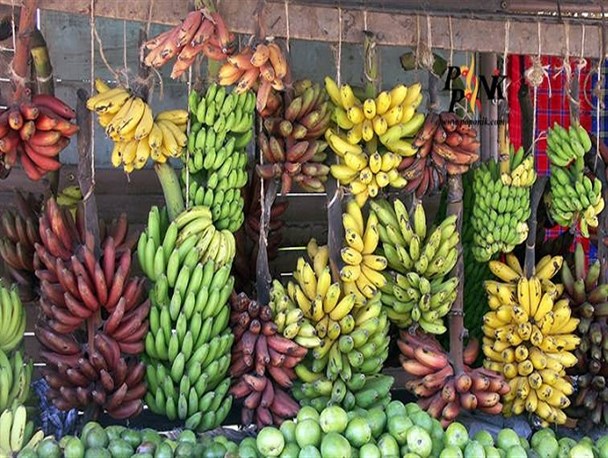
bananas are a popular fruit globally, their presence in Sistan and Baluchistan, Iran, is a bit more nuanced. Here's the breakdown:Main Points:Limited local cultivation: Sistan and Baluchistan has a hot and arid climate, not ideal for large-scale banana farming. While some banana cultivation exists, it's quite limited compared to other regions in Iran.Imports dominate consumption: The majority of bananas...