The Tabriz Historic Bazaar Complex
Description
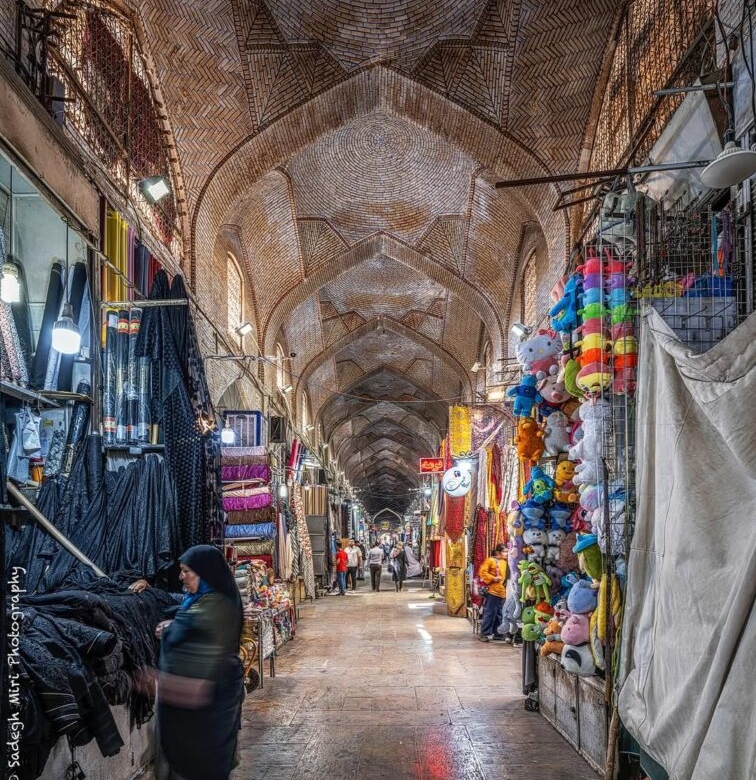
The Tabriz Historic Bazaar Complex is one of the oldest and largest covered bazaars in the world and a UNESCO World Heritage Site. Located in the heart of Tabriz, this historic marketplace has been the economic, social, and cultural hub of the city for centuries, representing the rich commercial traditions of northwestern Iran.
Historical Background
The Tabriz Bazaar dates back over 1,000 years, though its most significant development occurred during the Safavid and Qajar periods. It served as a key trading center connecting Iran to the Silk Road, linking the region with Europe, the Middle East, and Central Asia. Merchants, travelers, and caravans from across the world passed through its corridors, making it a melting pot of cultures, ideas, and goods.
Architectural Features
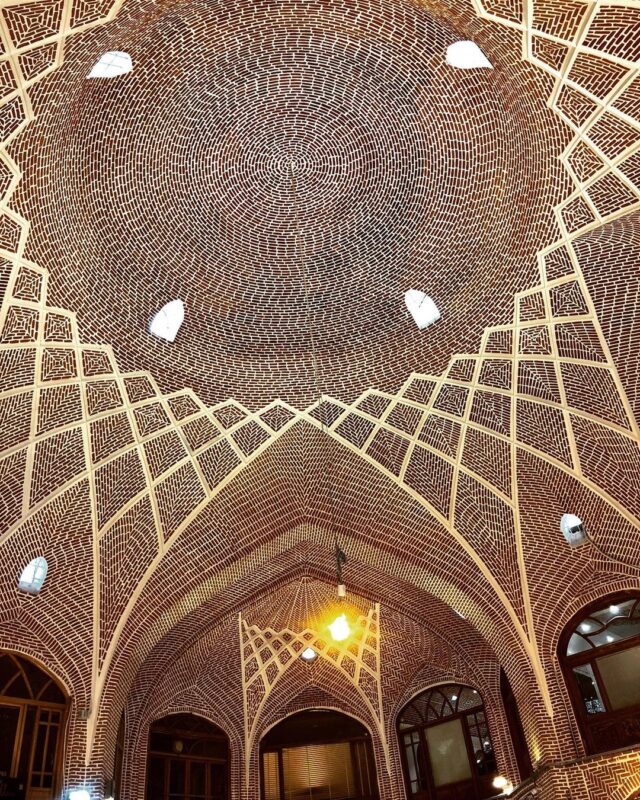
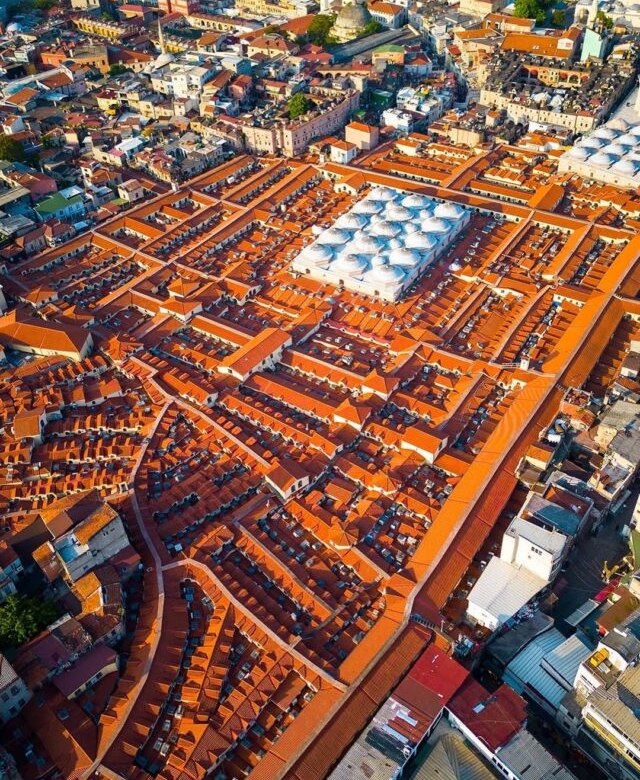
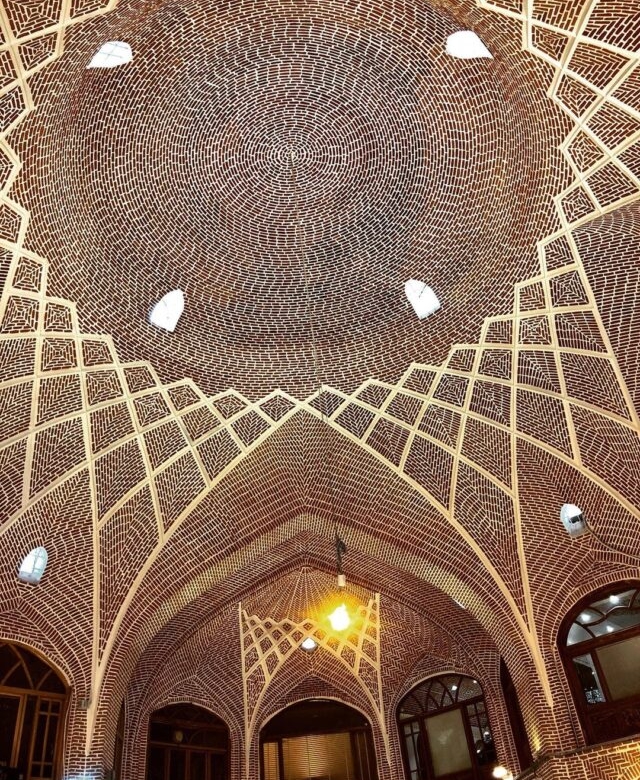
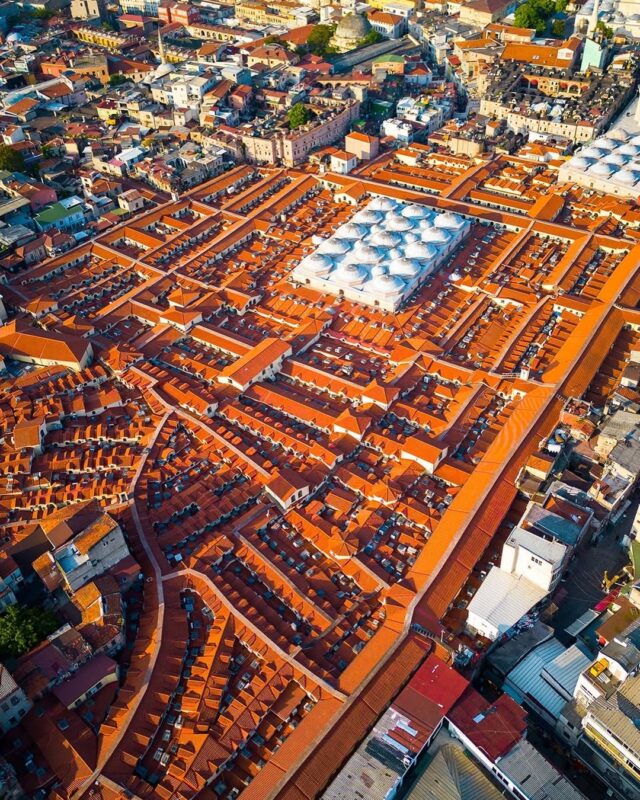
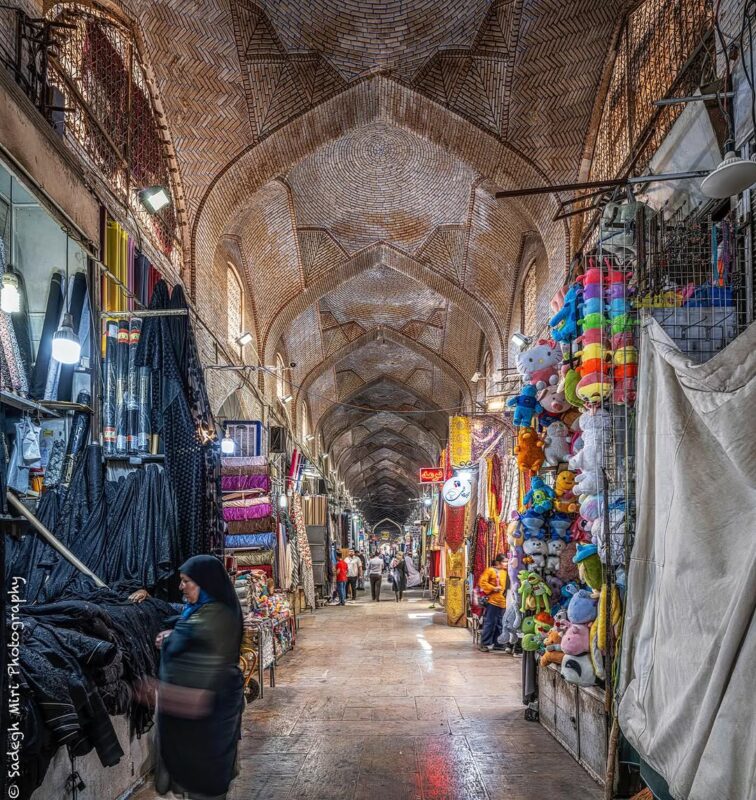
The bazaar is a sprawling network of vaulted corridors, courtyards, caravanserais, mosques, bathhouses, and caravan warehouses. Its interconnected streets and domed ceilings are masterful examples of Persian architecture, designed to provide natural ventilation, shade, and comfort for shoppers and merchants.
Notable structures within the bazaar include:
The Amir Nezam House and other traditional merchant residences.
The Jameh Mosque of Tabriz, integrated into the bazaar complex.
Caravanserais, which historically offered lodging and storage for traveling merchants.
The use of brick domes, arches, and intricate stonework demonstrates both practical and aesthetic sophistication, while the organized layout reflects centuries of commercial planning.
Cultural and Commercial Significance
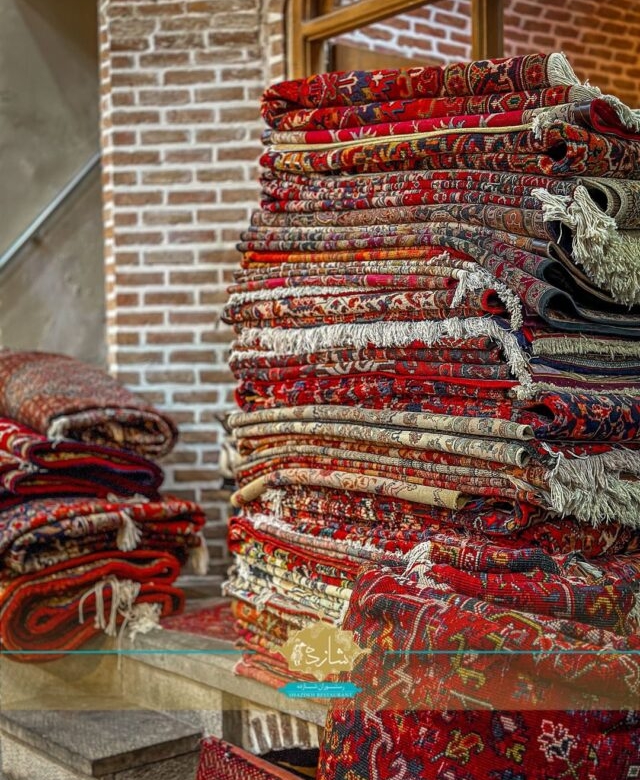
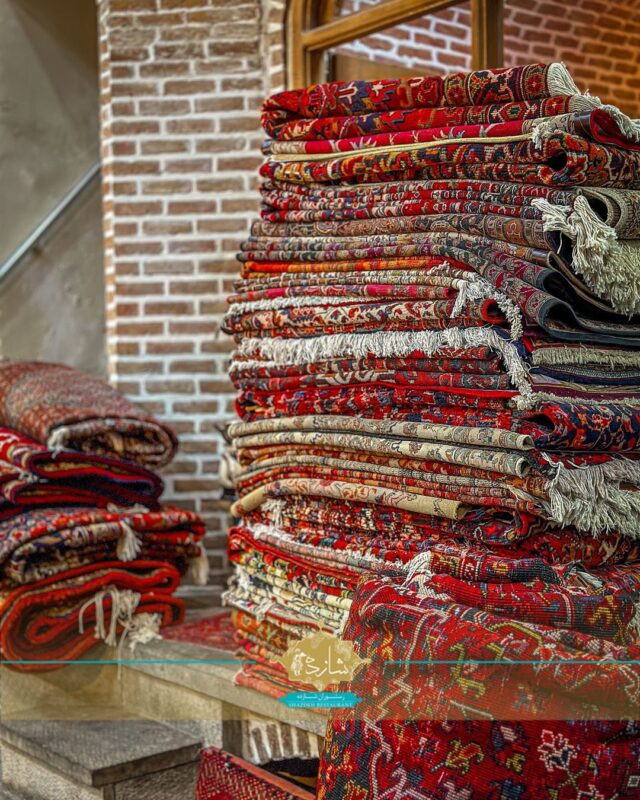
The Tabriz Bazaar has historically been more than just a marketplace. It functioned as a center for social interaction, cultural exchange, and political gatherings. Merchants not only traded goods such as carpets, silk, spices, and jewelry but also exchanged news and ideas.
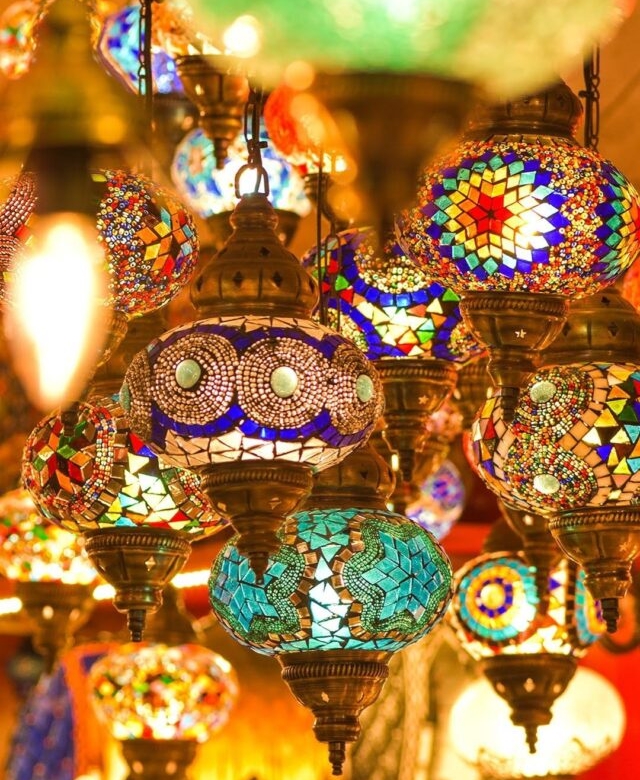
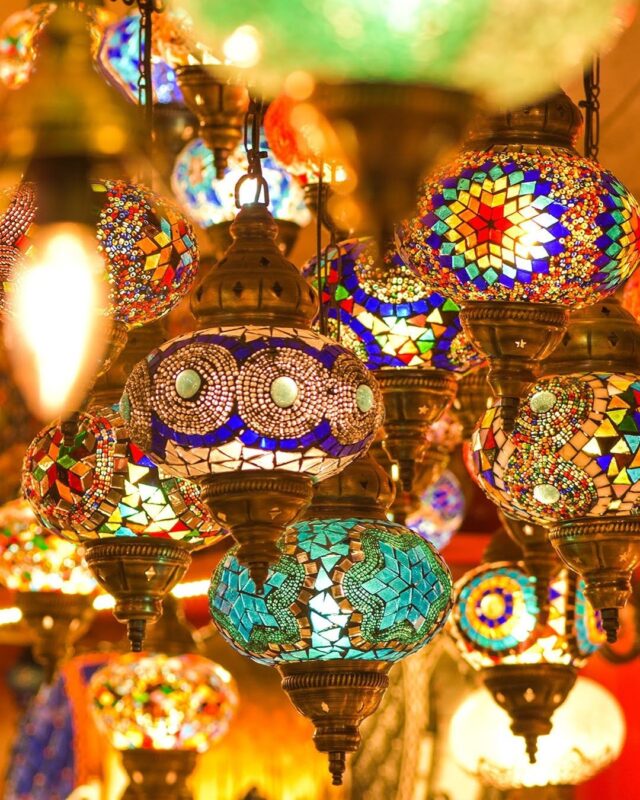
Today, it remains an active commercial hub where traditional crafts, Persian carpets, local produce, spices, and handicrafts are sold. Visitors can still experience the bustling atmosphere reminiscent of its historical heyday.
UNESCO Recognition
In 2010, the Tabriz Historic Bazaar Complex was inscribed as a UNESCO World Heritage Site, recognized for its outstanding urban planning, architectural ingenuity, and its role as a hub of international commerce for centuries.
Visitor Experience
Walking through the bazaar is like traveling back in time. The narrow lanes, domed ceilings, and lively market stalls provide a sensory experience of sights, sounds, and smells. Visitors can explore centuries-old shops, admire traditional carpets and handicrafts, enjoy local foods, and witness the enduring vibrancy of one of Iran’s most iconic markets.
Legacy
The Tabriz Historic Bazaar Complex is a living testament to the city’s historical importance in trade, culture, and social life. It remains a symbol of Iranian commercial heritage, Persian architectural brilliance, and the enduring vitality of Tabriz as a center of culture and commerce.
Features
Address
Open on Google Maps-
City: Tabriz
-
State/county: East Azerbaijan
Similar Listings
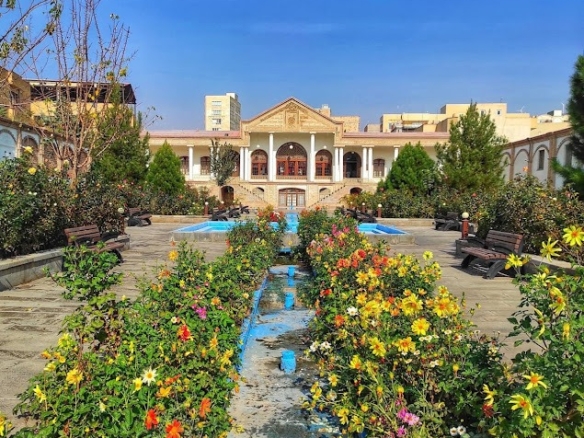
The Qajar Museum of Tabriz
East Azerbaijan, Tabriz, Sheshgelan, Tabriz, IranThe Qajar Museum of Tabriz is a cultural and historical museum located...
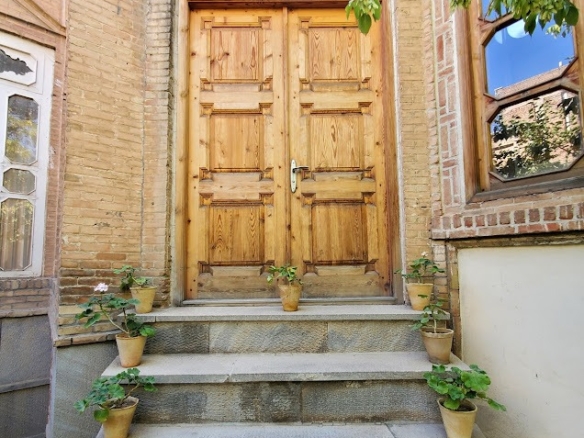
The Ali-Masou Museum
East Azerbaijan, TabrizThe Ali-Masou Museum is a cultural and historical museum located in Tabriz,...
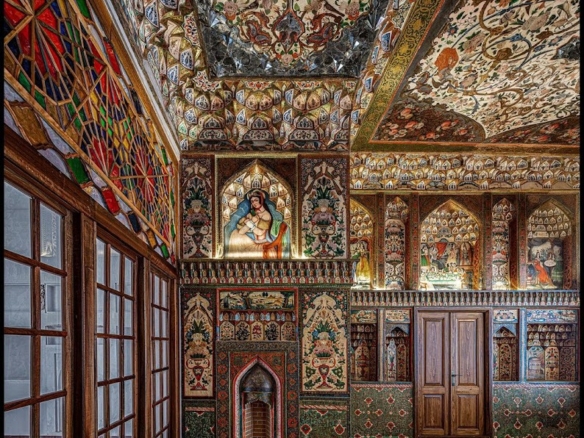

The Hariri House
East Azerbaijan, TabrizThe Hariri House is one of the most beautiful historic residences in...

- Walking in Iran

 The Tabriz Historic Bazaar Complex
 The Tabriz Historic Bazaar Complex
 The Tabriz Historic Bazaar Complex
 The Tabriz Historic Bazaar Complex