The Azerbaijan Museum
Description
The Azerbaijan Museum, located in the heart of Tabriz, is one of Iran’s most important cultural and historical museums. It offers visitors a rich journey through the art, archaeology, and history of northwestern Iran, showcasing the region’s ancient civilizations and diverse cultural heritage.
Historical Background
The Azerbaijan Museum was officially established in 1958 and has since grown into a leading center for the preservation and study of Iranian cultural heritage. The museum’s collection spans several millennia, highlighting artifacts from prehistoric times, the Urartu and Medes civilizations, the Achaemenid and Parthian empires, and the Islamic period. Its founding reflected a growing interest in documenting and preserving the history of the Azerbaijan region, which has long been a crossroads of cultures and empires.
Collections and Exhibits
The museum’s exhibits are divided into two main sections: archaeology and ethnography.
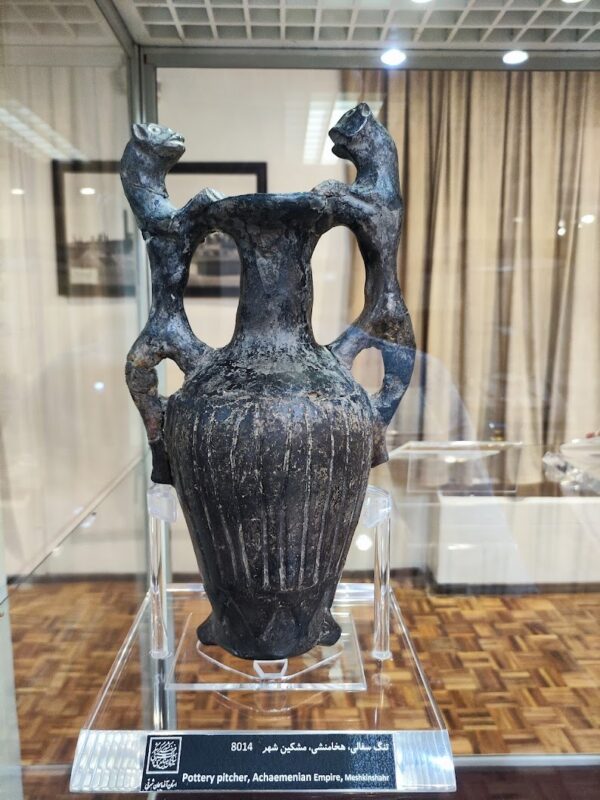
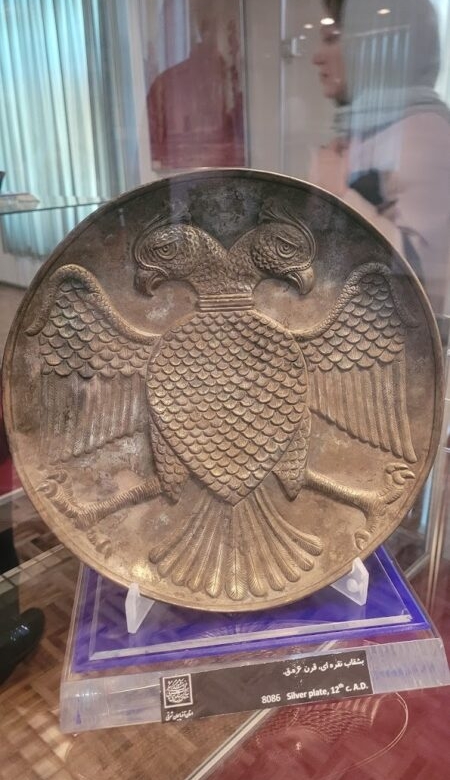
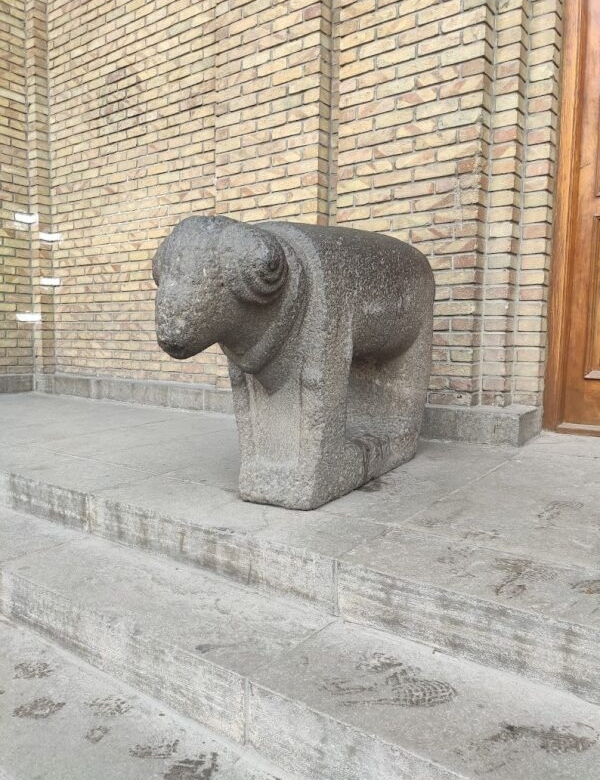
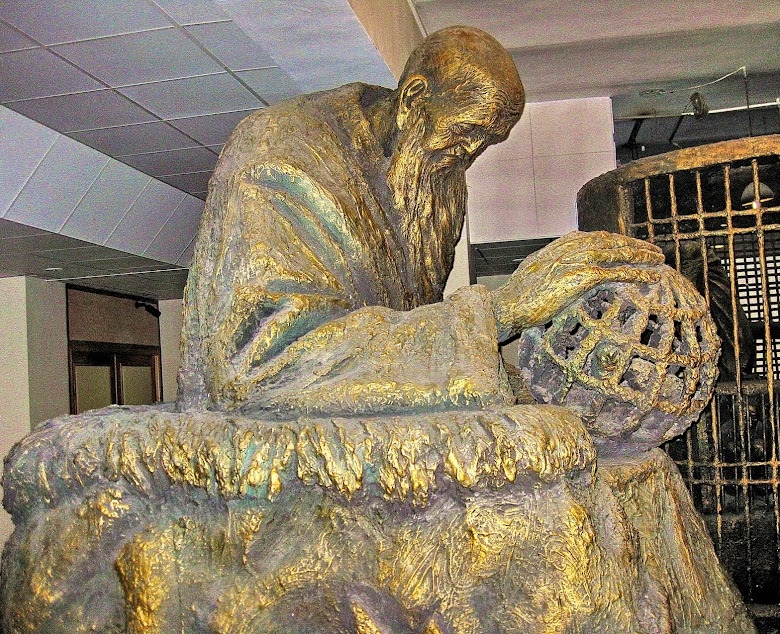
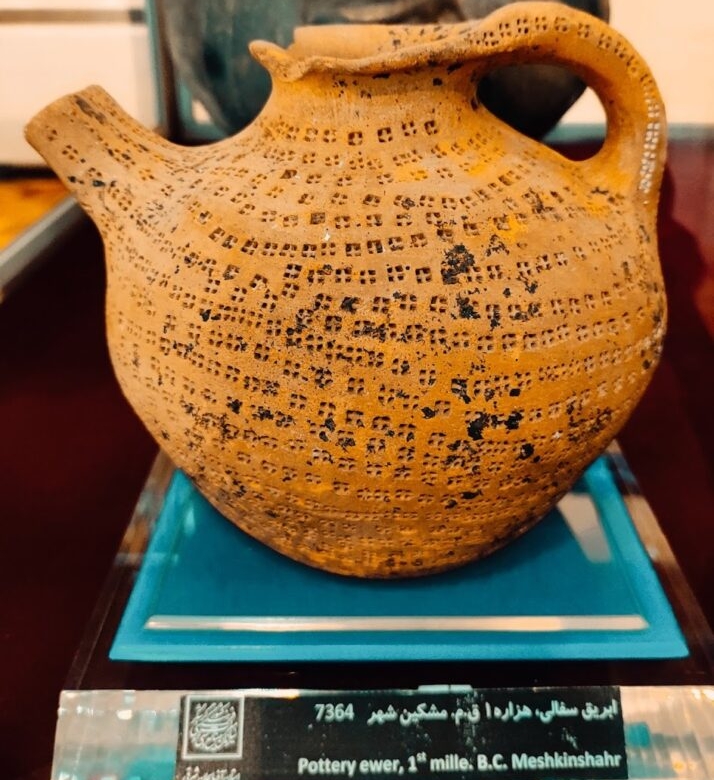
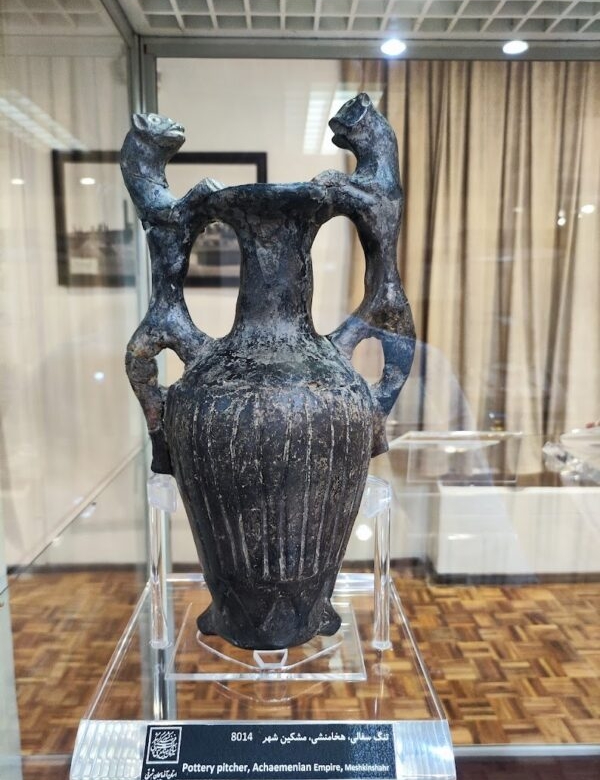
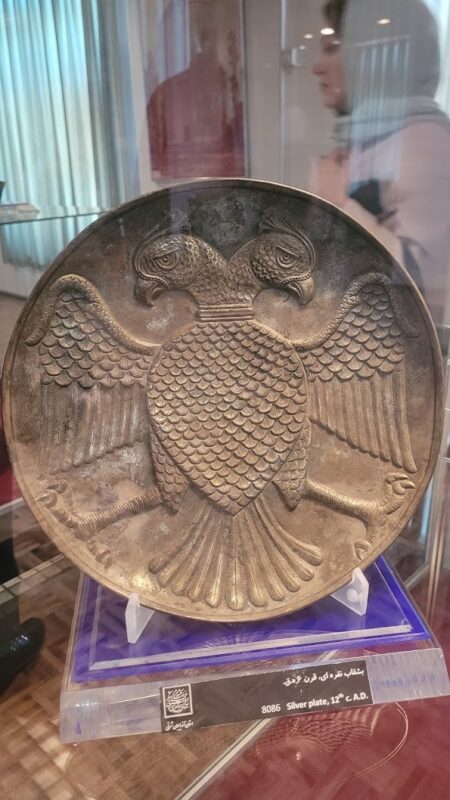
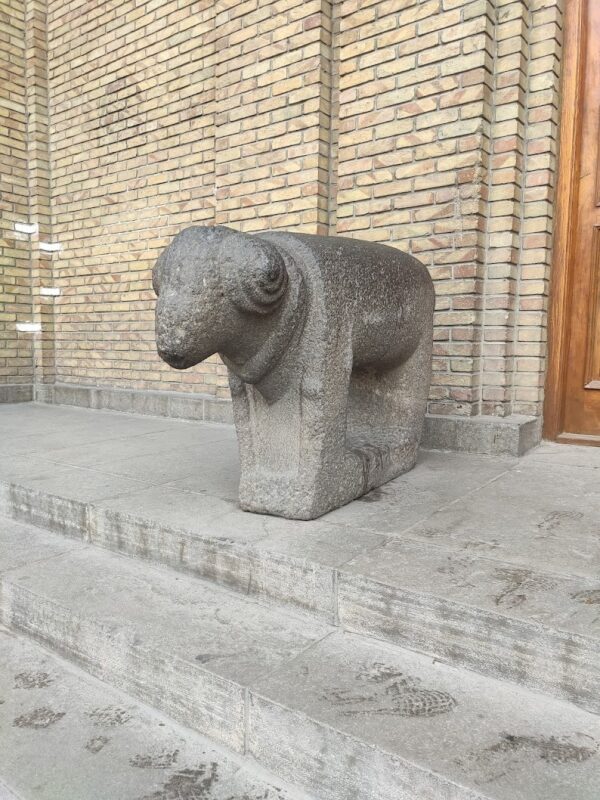
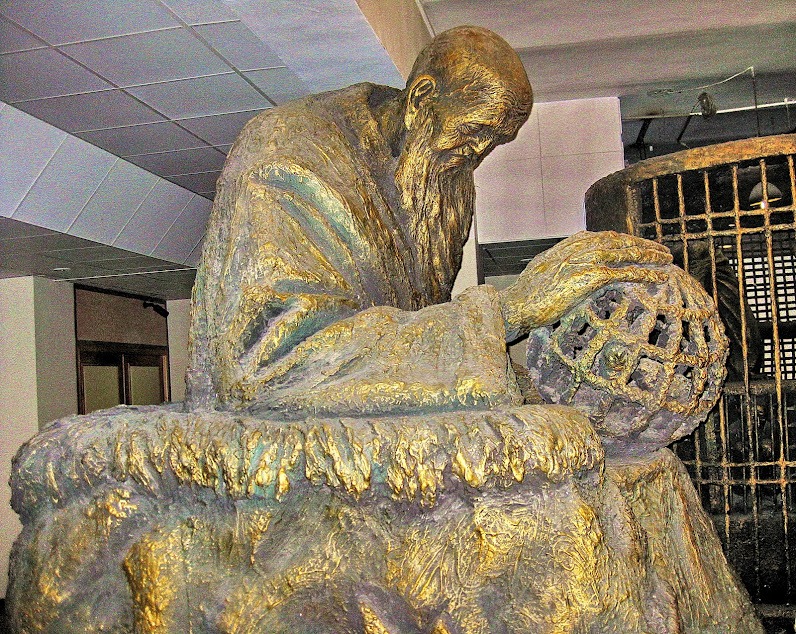
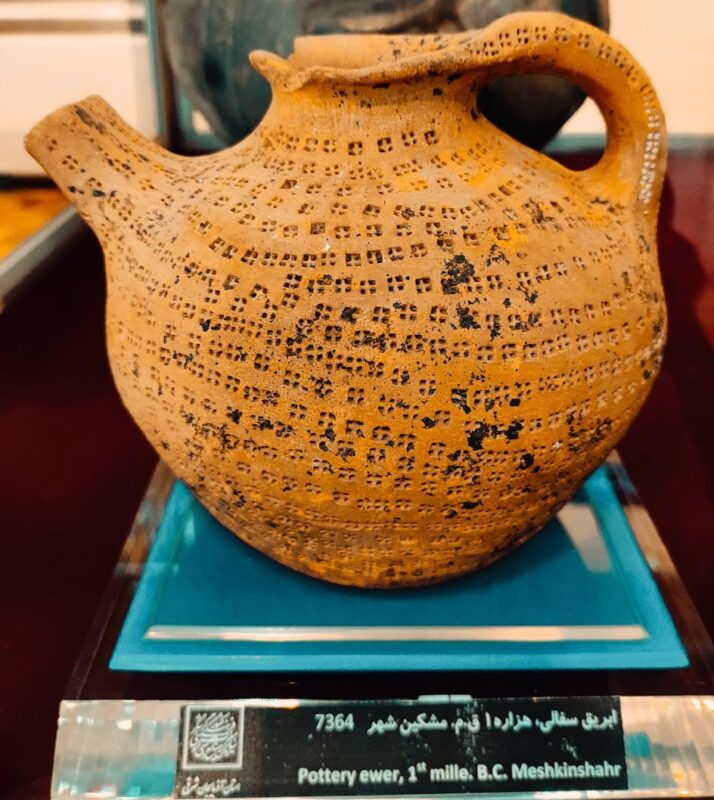
Archaeology: This section displays artifacts dating back thousands of years, including pottery, tools, inscriptions, coins, and statuary. Many items were excavated from local sites such as the ancient city of Jorouneh, Marand, and Kandovan, offering insight into the daily life, religious practices, and artistic achievements of ancient civilizations in northwestern Iran.
Ethnography: The ethnographic section highlights the traditional lifestyle, clothing, handicrafts, and musical instruments of Azerbaijani communities. Visitors can explore colorful costumes, rugs, carpets, and household items that illustrate the region’s rich cultural diversity.
Among the museum’s most notable pieces are rare Urartian artifacts, Islamic ceramics, and intricately designed Qajar-era objects, all of which reflect the artistic and cultural evolution of the region over centuries.
Architecture and Design
The museum building itself is an example of early 20th-century Iranian public architecture, featuring traditional brickwork, spacious halls, and high ceilings. The layout allows for both permanent exhibitions and temporary displays, accommodating cultural events, lectures, and workshops.
Cultural and Educational Significance
The Azerbaijan Museum serves as an educational hub for researchers, historians, students, and tourists. Its carefully curated collections provide a comprehensive understanding of the region’s historical and cultural development. Through guided tours, interactive displays, and scholarly publications, the museum promotes awareness and appreciation of Iran’s rich heritage.
Visitor Experience
Visitors to the museum can explore multiple halls filled with artifacts that span thousands of years, creating a tangible connection to the region’s past. The museum’s location near the historic Bazaar of Tabriz also allows for a seamless cultural experience, combining exploration of history with the vibrant urban life of the city.
Legacy
The Azerbaijan Museum stands as a testament to Tabriz’s enduring role as a cultural and intellectual center in Iran. By preserving and showcasing the region’s history, art, and traditions, it continues to inspire visitors and researchers alike, ensuring that the rich heritage of northwestern Iran is celebrated and remembered for generations to come.
Features
Address
Open on Google Maps-
Address: East Azerbaijan Province, Tabriz, Khiyaban، East Azerbajan تبریز Nowbar، مصلای بزرگ تبریز, Iran
-
City: Tabriz
-
State/county: East Azerbaijan
Similar Listings
The Arg of Tabriz
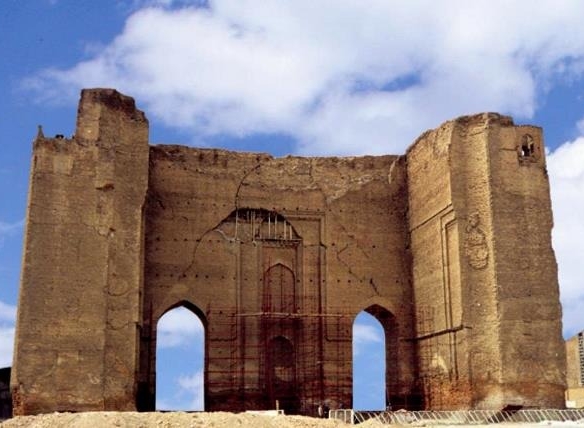
East Azerbaijan, Tabriz, East Azerbaijan Province, Tabriz, Emam StThe Arg of Tabriz, also known as the Arg Mosque (Masjed-e Ali...
The Tabriz Iron Age Museum
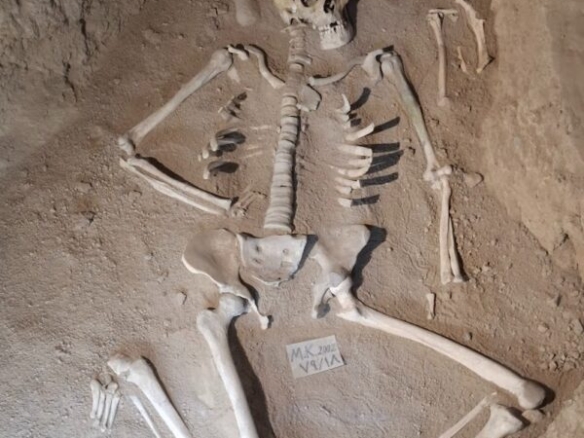
East Azerbaijan, Tabriz, East Azerbaijan Province, Tabriz, Bazar, EmamThe Tabriz Iron Age Museum, located in Tabriz, is a remarkable archaeological...
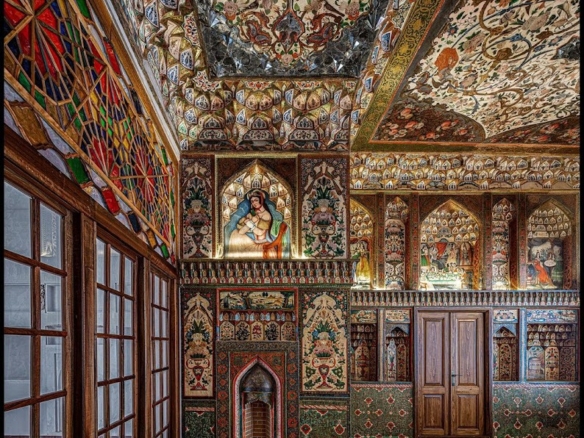

The Hariri House
East Azerbaijan, TabrizThe Hariri House is one of the most beautiful historic residences in...

- Walking in Iran

 The Azerbaijan Museum
 The Azerbaijan Museum
 The Azerbaijan Museum
 The Azerbaijan Museum