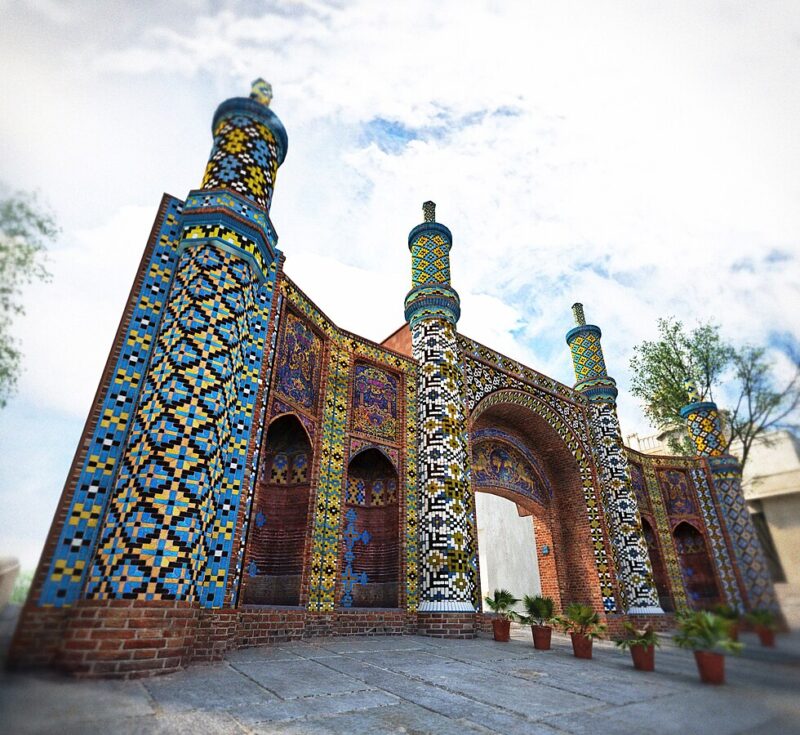
Gate of Koshk: A gem in the history of QazvinDarb Kushk Gate is one of the most magnificent historical gates of Qazvin city, which was built in the Qajar period by the order of Fath Ali Shah Qajar. This gate, which is located in the north of Qazvin city and at the end of Azadi street (Rare Old), was used in the past as the main entrance of the city from the side of Alamut, Rudbar and Koushk, as well as...
March 2024
Hamdollah Mostofi Tomb: a treasure of history and architectureThe tomb of Hamdullah Mostofi, a famous Iranian historian and geographer, is located in the city of Qazvin and among the historical fabric of this city. This building, which has been registered in the list of national monuments of Iran due to its age and architecture, has attracted the attention of tourists and history and architecture...
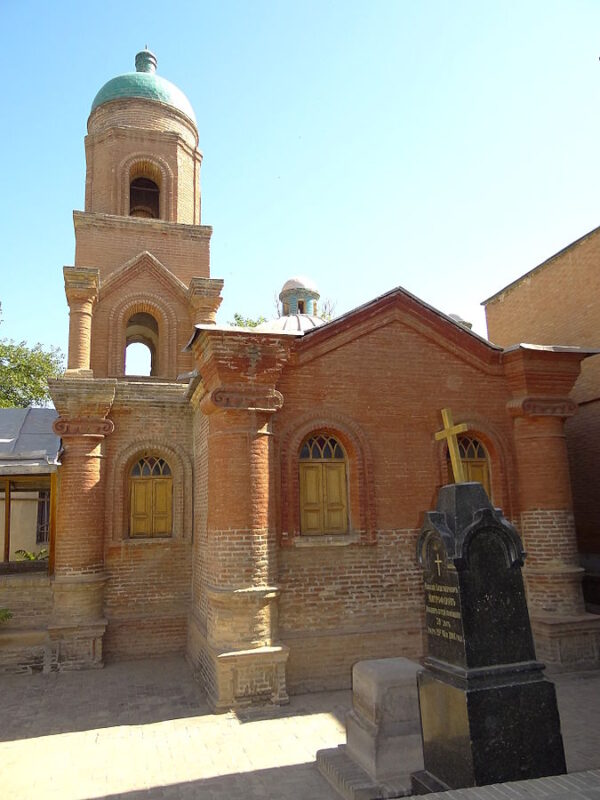
Cantor Church, also known as the Church of the Russians, is a Russian Orthodox Church in the city of Qazvin, Iran. This church was built by a Russian company in Qazvin at the end of the Qajar period.HistoryCantor Church was built during the First World War and following the mass migration of Russians to Iran. This church was originally used as a place of worship for the Russian Orthodox Christians who...
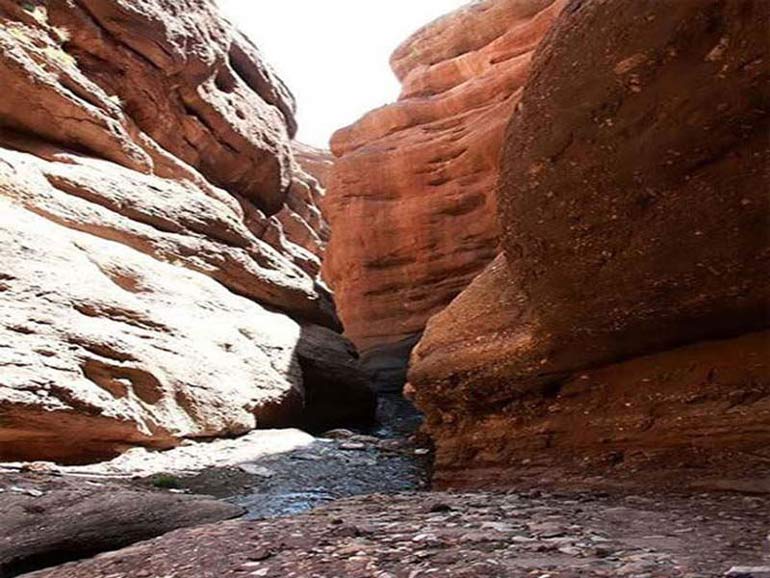
Garmaglu valley is a deep and narrow valley in the western Alamut of Qazvin province. This valley is located near Gazerkhan village and on the way to Alamut Castle.Garmaglu valley has become one of the popular natural attractions in Qazvin province due to its high and rocky walls and the river that flows in its bottom.The attractions of Garmaglu Valley:Pristine and untouched nature: Garmaglu Valley is one...
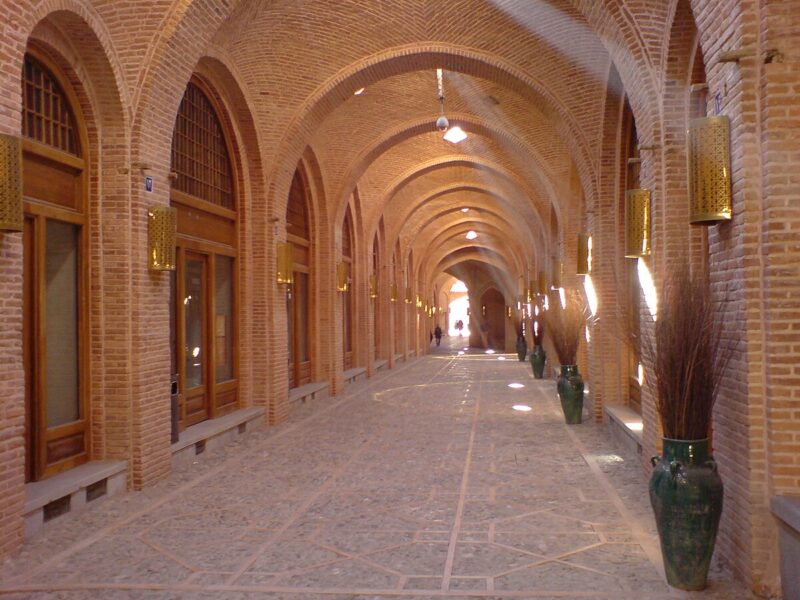
Saad al-Sultaneh Caravanserai is the largest indoor caravanserai in the world, located in Qazvin, Iran. This caravanserai was built in the Qajar period by the order of Mohammad Baqerkhan Saad al-Sultaneh, the then ruler of Qazvin.Saad al-Sultaneh Caravanserai is built on a land of 2.7 hectares with about 400 rooms. This caravanserai has two main entrances in the north and south and two secondary entrances...
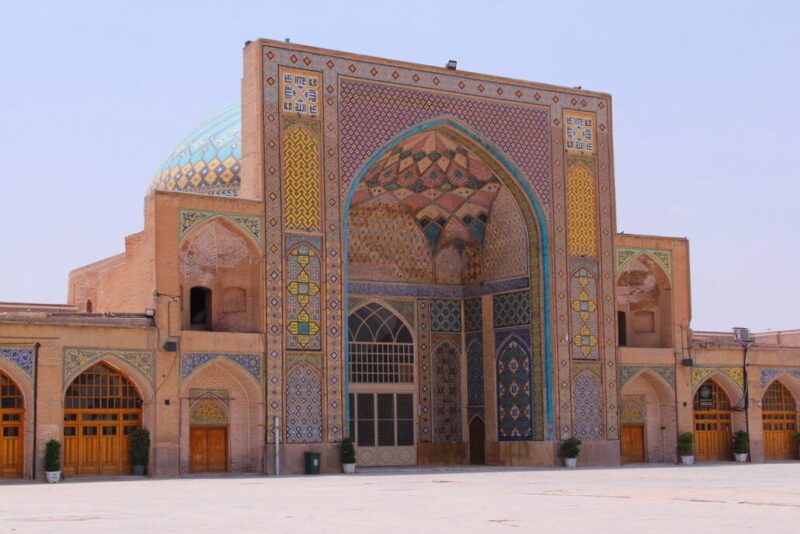
Masjid al-Nabi (Sultani Mosque) is one of the mosques of Qazvin city, which was built during the Qajar period by the order of Fath Ali Shah Qajar. This mosque is located on the south side of Imam Khomeini street and in the traditional market of Qazvin. .Al-Nabi Mosque is unique in terms of the size and area of the chapels and the architectural style. This mosque has an area of 14,000 square meters and...
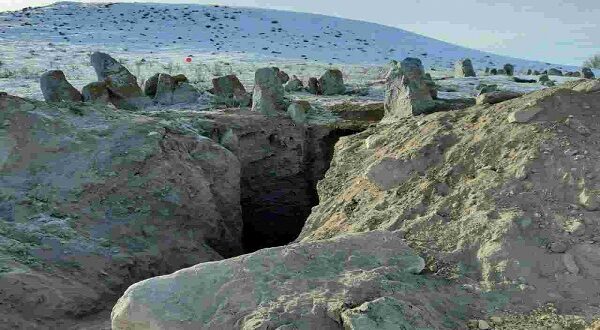
Kool Tepe, the historical hill of horse sellers: secrets hidden in the heart of the hillThe historical hill of Esbforoshan hill is an ancient hill 2 km northeast of Esbforoshan village, in the central part of Sarab city in East Azarbaijan province. This hill, which is related to prehistoric and historical times, has been registered as one of the national monuments of Iran.History:The history of the...
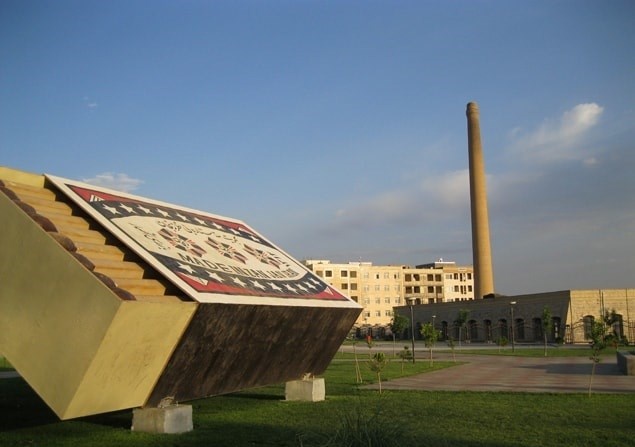
Zanjan Three Star Match Factory: as if it came out of the heart of historyZanjan Three Star Match Factory, the first industrial unit of this province, with its unique brick chimney and old machines, as if it came out of the heart of history, stands out on Safa Street, not reaching Chamran Boulevard in Zanjan city. This building related to the first Pahlavi period has been registered as one of the national...
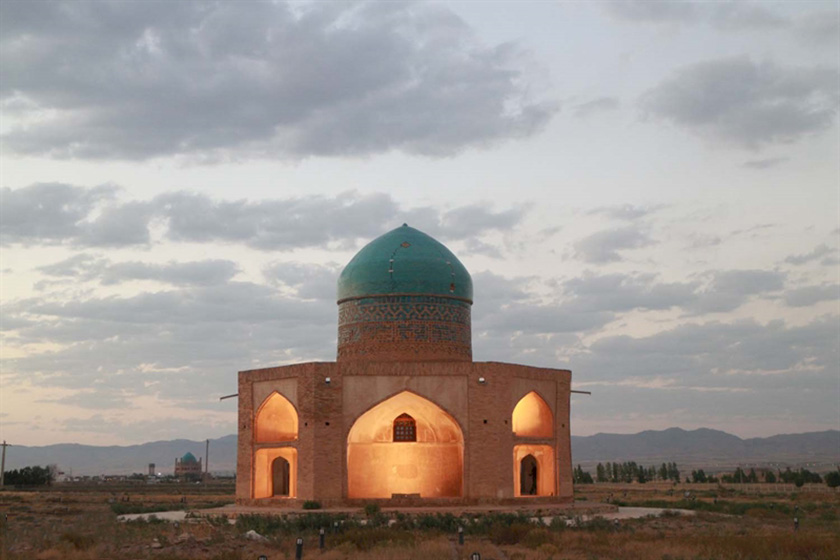
Mausoleum of Mullah Hasan Kashi: a shining gem in the grounds of Soltanieh MausoleumThe tomb of Mullah Hasan Kashi, a famous mystic and poet of the 8th century AH, in the south of Soltanieh city and in the area of Soltanieh Mausoleum, shines like a shining jewel in the darkness of Iran's history. This octagonal building, which belongs to the Ilkhanid period, attracts many tourists every year with its...
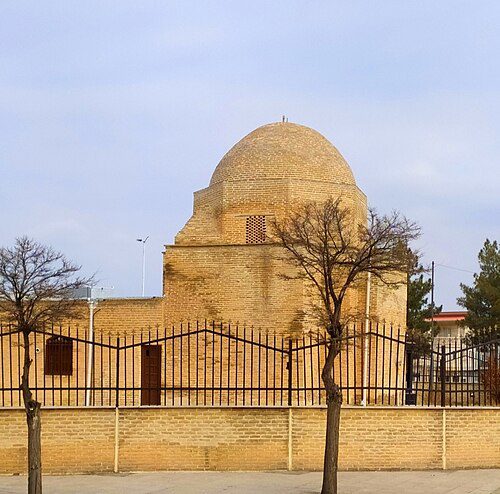
Tomb of Pir Ahmed ZahrnooshThe tomb of Pir Ahmad Zahrnoosh, a famous Iranian mystic and Sufi, is located on the southern edge of Abhar city in Zanjan province. This building, which dates back to the 6th and 7th centuries AH, has been registered as one of Iran's national monuments.Architecture:Pir Ahmad Zahrnoosh's tomb consists of two separate parts:The first part is the tomb, which is the burial place...