Search
Price Range

March 2024

Ancient inscriptions of Ganjnameh

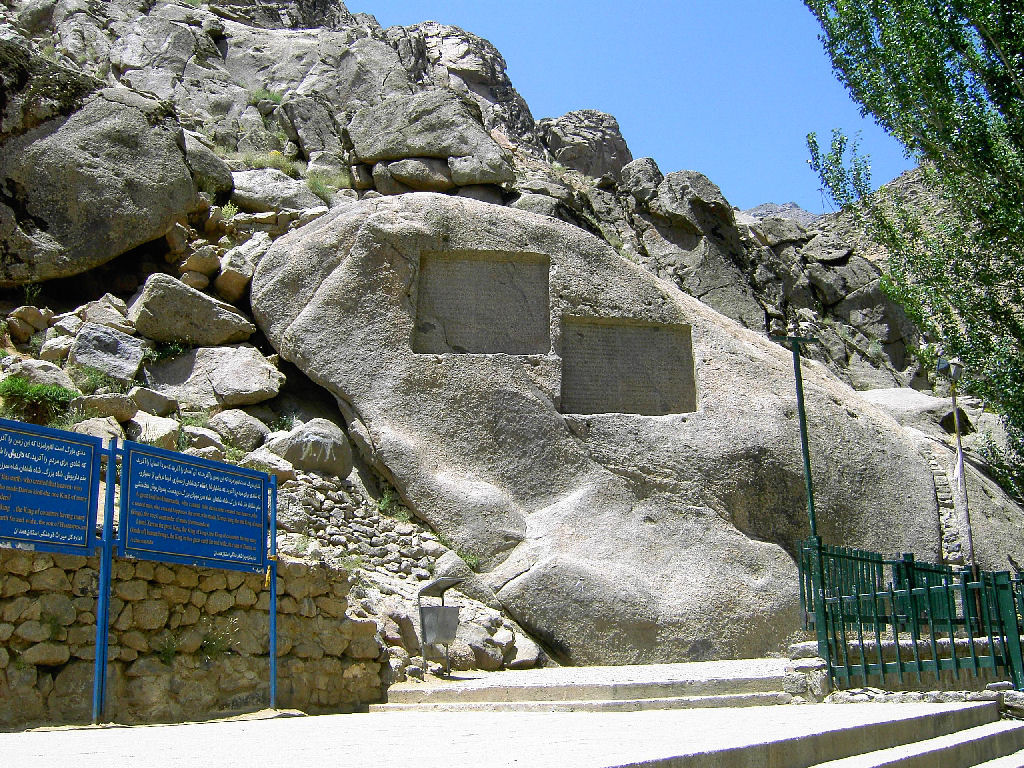
Ancient inscriptions of Ganjnameh: a gateway to historyGanjnameh ancient stone inscriptions are a collection of inscriptions belonging to the Achaemenid period, which were carved on a rock at the foot of Alvand mountain, 5 kilometers west of Hamadan city and at the end of Abbasabad valley. These inscriptions were written by the order of Darius the Great and Xerxes, two Achaemenid kings, in ancient...

Mount Alvand

Mount Alvand: roof of IranAlvand mountain with a height of 3584 meters is the highest mountain in Hamedan province and one of the highest mountains in Iran. This mountain is located in the south of Hamedan city and north of Tuiserkan and because of its special location, it is known as the roof of Iran.Alvand peaks:Elvand peak: the highest peak of Elvand with a height of 3584 metersShahneshin peak: the...

Ali Sadr Cave

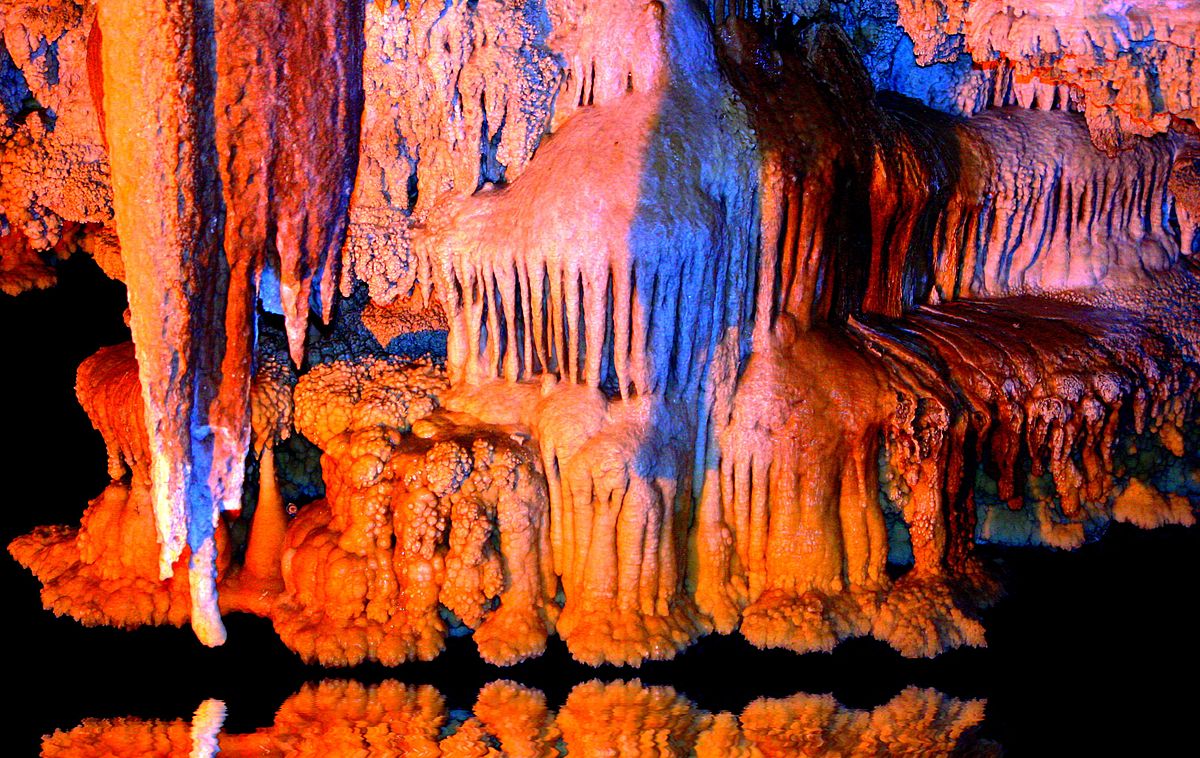
Ali Sadr Cave: A gem in the heart of the mountainWonders of Creation:Alisadr Cave is one of the longest water caves in the world with an approximate length of 11 km. Beautiful and diverse jellyfish, stalactites and stalagmites in different shapes and sizes have turned the cave into an amazing natural gallery.Journey to the unknown world:Boating in the darkness of the cave and amidst the reflection of...

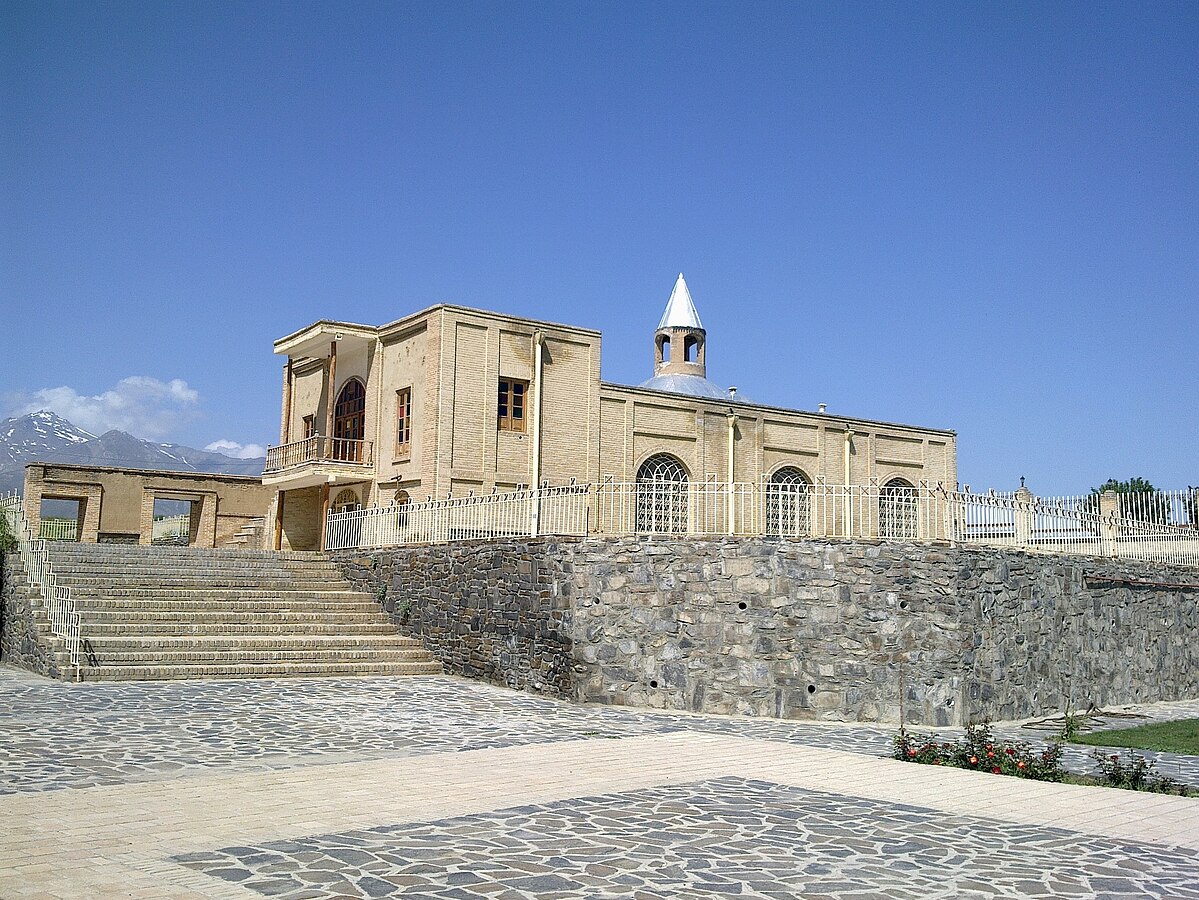
Gregory Stephen Church

Gregory Stephen Church or Gregory Stephen Church is a religious and historical building related to the Safavid period, which is located in the Armenian quarter of Hamedan, on the eastern side of Hegmatane hill. This church has been registered as one of the national monuments of Iran and is one of the popular tourist attractions of Hamadan.History:Gregory Stephen Church was built in 1676 AD (1055 AD) by a...

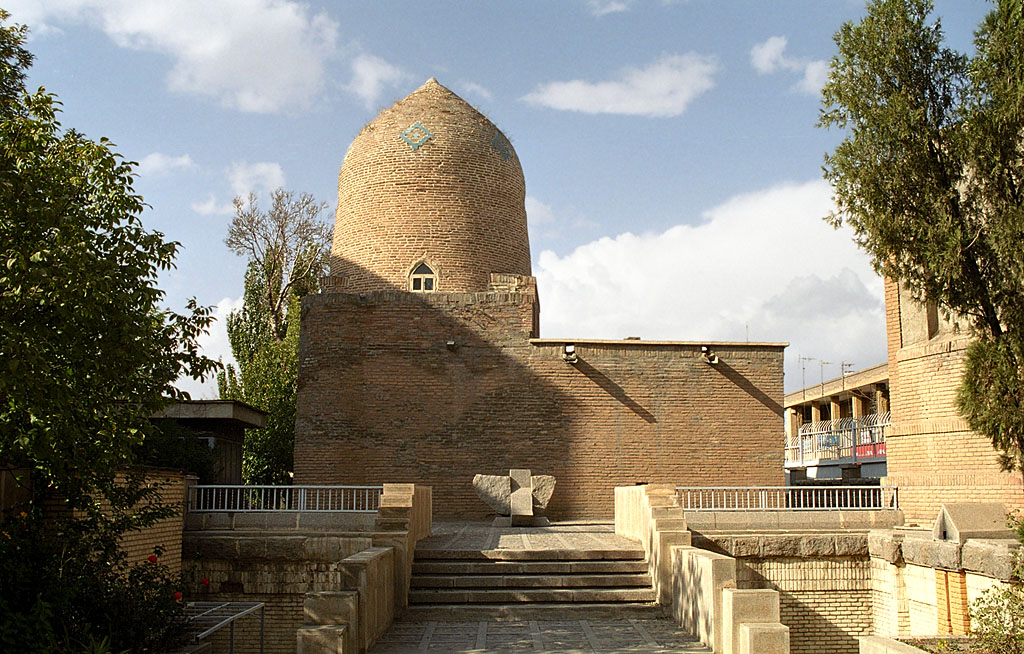
The tomb of Esther and Mordechai

The tomb of Esther and Mordechai, a religious and historical building, is located in the center of Hamadan, at the beginning of Dr. Shariati Street. This building, which is known as the Jewish shrine, is the burial place of Esther and Mordecai, two important characters in the story of the book of Esther in the Jewish land.History:The exact date of construction of this building is not known, but according...

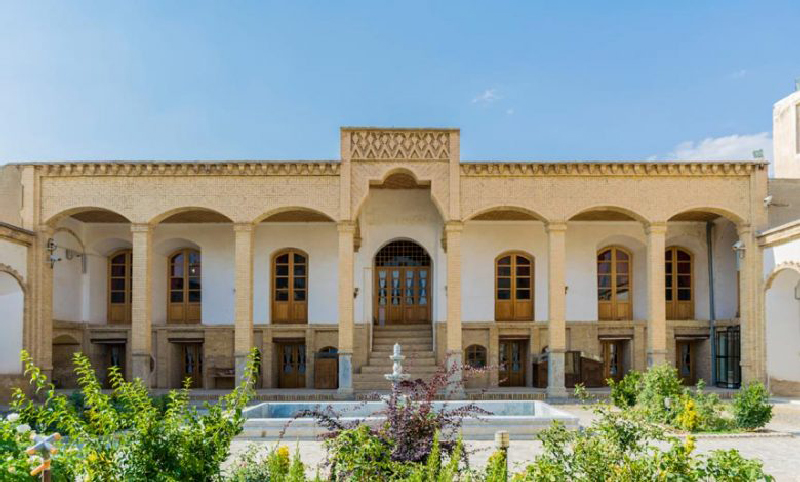
Lotfalian’s house

Lotfalian's house belongs to the Qajar period and is located in Hamadan, Shariati St., Farhang Alley. This work has been registered as one of Iran's national works on 2nd of February 2002 with registration number 9251.History:Lotfalian house was built about 180 years ago by Haj Mohammad Hossein Lotfalian, one of the rich people of Hamadan. Throughout history, this house has been used as the residence of...

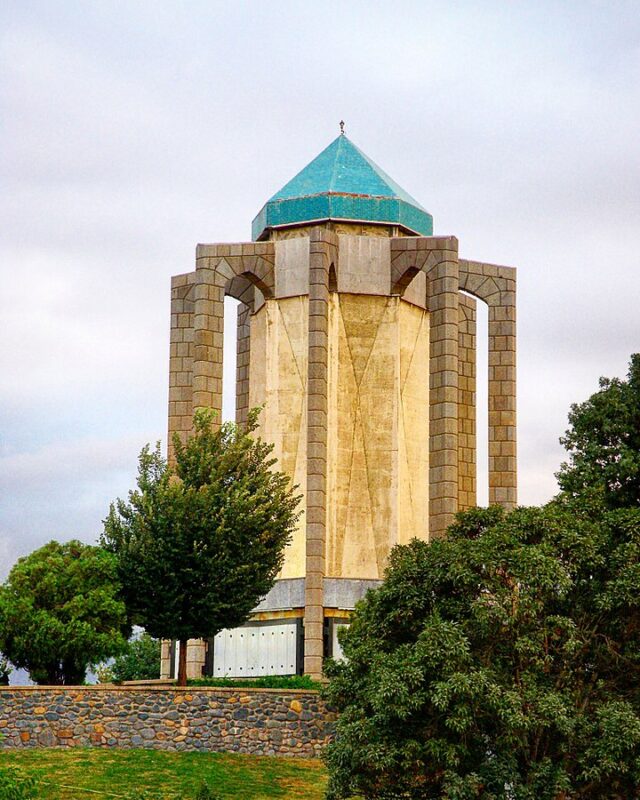
The tomb of Babataher Arian

The tomb of Babataher Arian, a famous Iranian poet, is located in Babataher Square in Hamadan and on top of a hill overlooking the city. This building has become one of the popular tourist attractions of Hamedan due to its special architecture and beautiful landscape.History:The original building of Baba Tahir tomb was built on the grave of this poet in the 5th century AH, but it has been renovated many...

Tajabad caravanserai

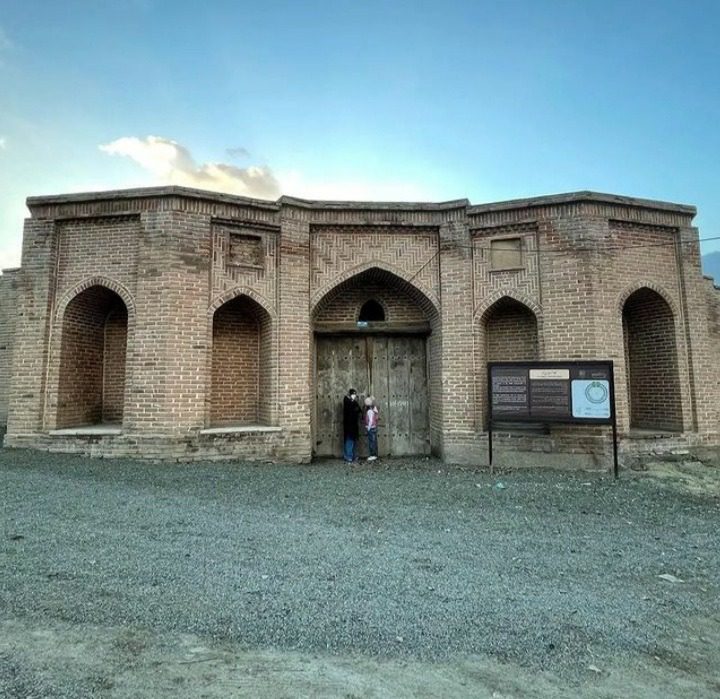
Tajabad caravanserai: a gem in the heart of Iranian historyTaj Abad Caravanserai, a magnificent and unique building from the Safavid and early Qajar eras, is located 25 kilometers northwest of Hamedan and in Rasul Abad village. Due to its special and circular architecture, this caravanserai has a special place among other Iranian caravansaries and it was registered as one of the national works of Iran in...

Hamedan Grand Mosque

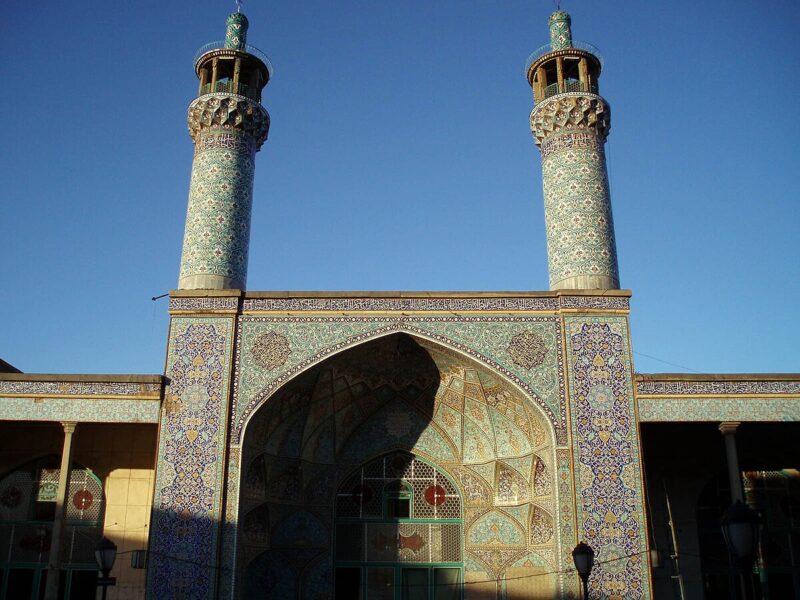
Hamedan Grand Mosque, also known as Atiq Mosque and Grand Mosque, is one of the oldest and largest mosques in Iran, located in Hamedan. This mosque is located on Ekbatan Street and Imam Khomeini Square and has been registered as one of the national monuments of Iran.HistoryThe exact date of the construction of Hamedan Grand Mosque is not known, but some historians attribute its original construction to...

Hamedan Stone Lion

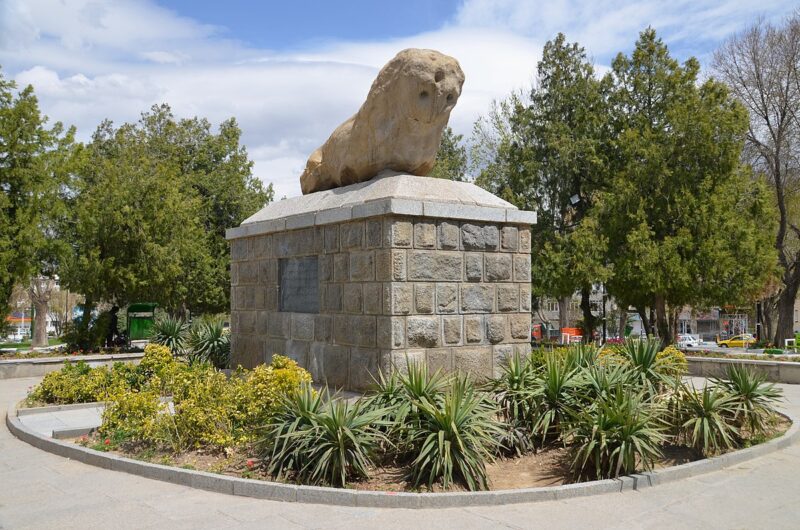
Hamedan Stone Lion, also known as Seng Shir, is a stone statue that is located in the Stone Lion Square in Hamedan city. This work was registered as one of Iran's national works on 15 January 1310 with registration number 93.HistoryThe date of construction of the Hamadan stone lion is not precisely known, but some historians attribute it to the Achaemenid period and others to the Parthian period. This...