Search
Price Range

February 2024

Qasrqand Castle

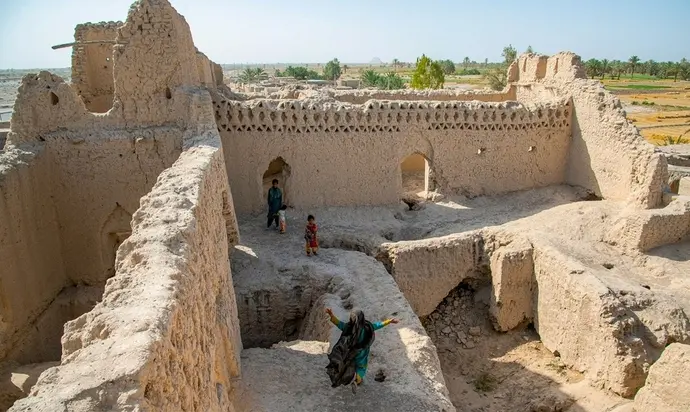
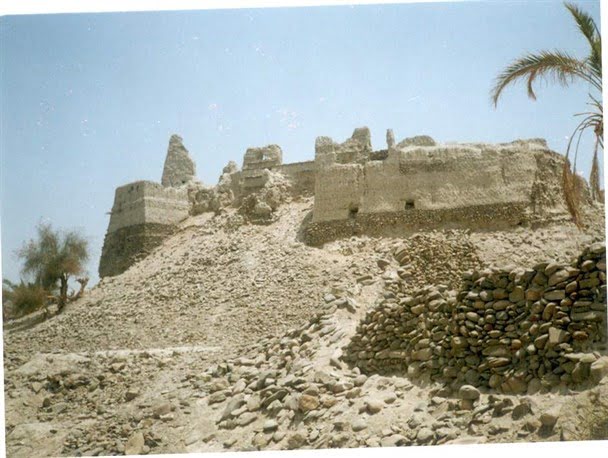
Qasrqand Castle is a ruined castle in Sistan and Baluchestan Province, Iran. It is located in the Qasr-e Qand County, about 12 kilometers (7.5 mi) from the city of Qasr-e Qand. The castle is built on a hilltop and has a commanding view of the surrounding area. It is made of mudbrick and has a square shape. The castle has four towers and a gatehouse. The interior of the castle is divided into several...
Espehke Mudbrick Castle

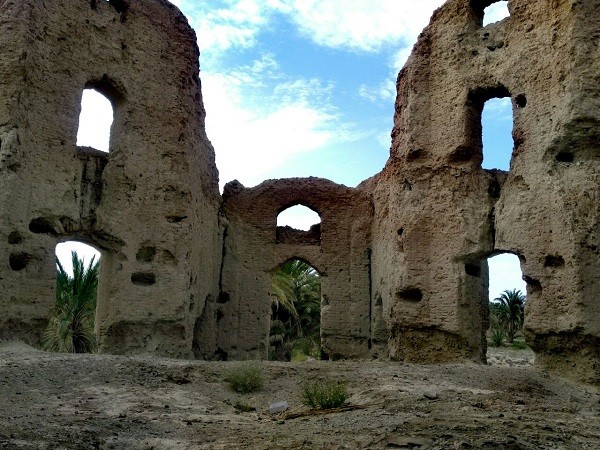
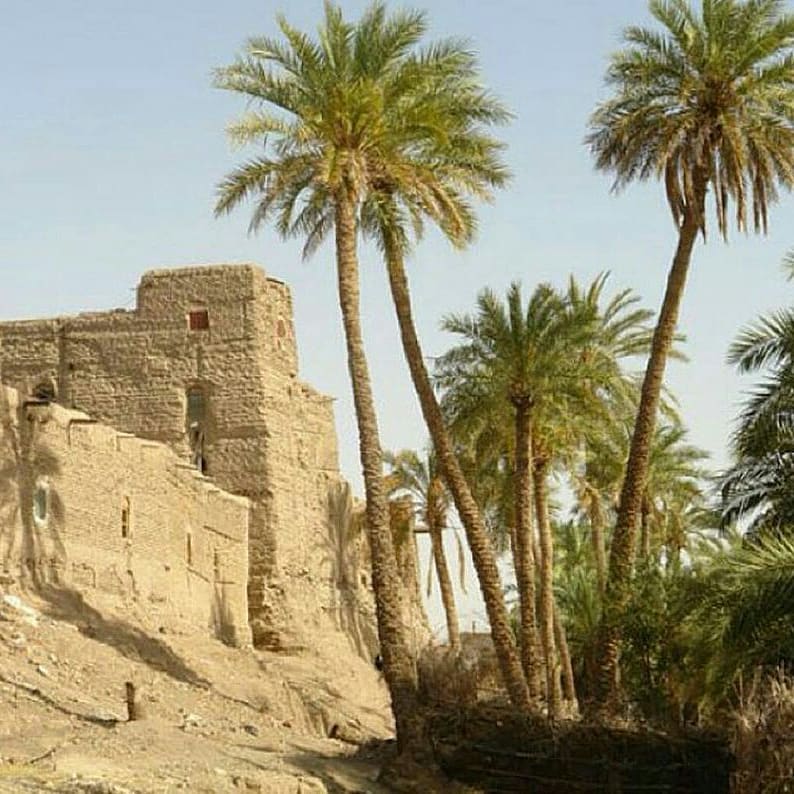
Espehke Mudbrick Castle is a historical castle in the Sistan and Baluchestan Province of Iran. It is located in the Khash County and in the village of Espehk. Espehk Mudbrick Castle was registered in the National Heritage List of Iran in 1976.Espehk Mudbrick Castle is a mudbrick castle that was built in the 10th century AH. It has an area of approximately 1,000 square meters and has four towers and one...

Hewdan petroglyphs

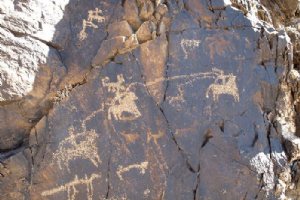
Hewdan petroglyphs are a collection of historical rock paintings located in Sistan and Baluchestan province, Iran. These rock paintings are located near the village of Hewdan, in Saravan county, about 100 kilometers from nikhshahr city. The Hewdan petroglyphs date back to the Sassanid period (3rd to 7th centuries AD) and include images of Sassanid kings, warriors, animals, and religious scenes. These...

Paskooh Castle

Paskooh Castle is a historical castle in Sistan and Baluchestan province, Iran. It is located in Paskooh village, in Saravan county. Paskooh Castle was built during the Safavid period and is one of the most important historical monuments in Sistan and Baluchestan province. Paskooh Castle is a square-shaped castle surrounded by high walls. It has one tower in each corner and a pool in the center....

Kheyrabad Castle

Kheyrabad Castle is a historical castle in the Saravan County, Sistan and Baluchestan Province of Iran. It is located in the Dezk region, 35 kilometers from Saravan. Kheyrabad Castle is built on a hill about 70 meters above sea level and has an area of ​​approximately 1,000 square meters. It was built during the Safavid period and was also used during the Qajar period. Kheyrabad Castle is not in good...

Dzek Castle

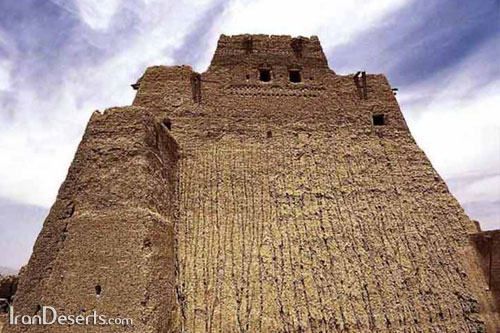
Dzek Castle is a historical castle in the Sistan and Baluchestan Province of Iran. It is located in the Mirjaveh County and in the village of Dzek. Dzek Castle is a mudbrick castle that was built in the 10th century AH. It has an area of ​​approximately 1,000 square meters and has four towers and one main gate. Dzek Castle was used in the past as a military fortress and a government center. Dzek...

Kente Castle

Kente Castle is a historical castle in Kend District, Sistan and Baluchistan Province, Iran. It is located in the village of Kente, and dates back to the Sassanid period (224-651 AD). Kente Castle in IranOpens in a new window The castle is a large mudbrick structure with four towers and one gate. The walls are about 1 meter thick and have a defensive ditch. Inside the castle, there are...

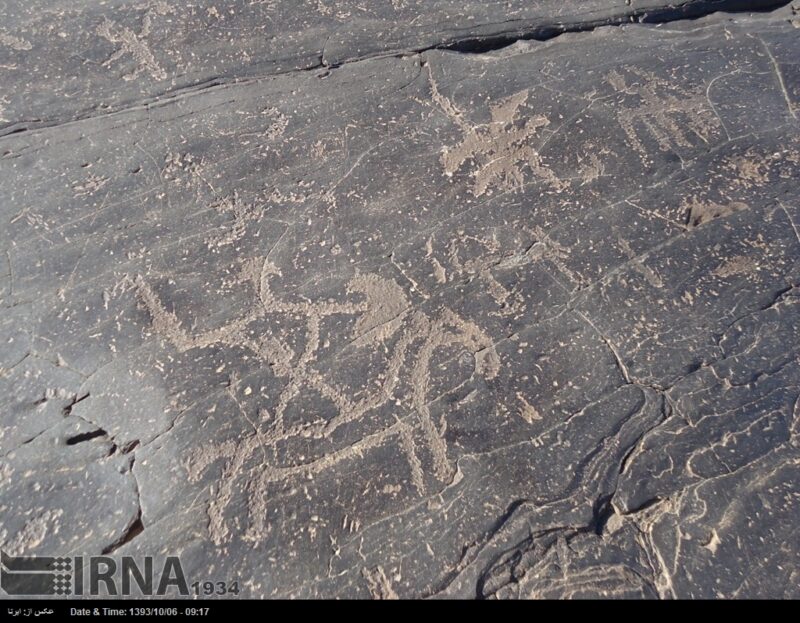
The 10,000-year-old petroglyphs of Darehnagaran

The 10,000-year-old petroglyphs of Darehnagaran are a series of rock carvings located in the Sistan and Baluchestan Province of Iran. The petroglyphs depict a variety of scenes, including hunting, fishing, and farming. They are some of the oldest known examples of human art in Iran. The petroglyphs were discovered in 1967 by a team of Iranian archaeologists. They are located in a remote area of the...

Mir Omar Salti Hill

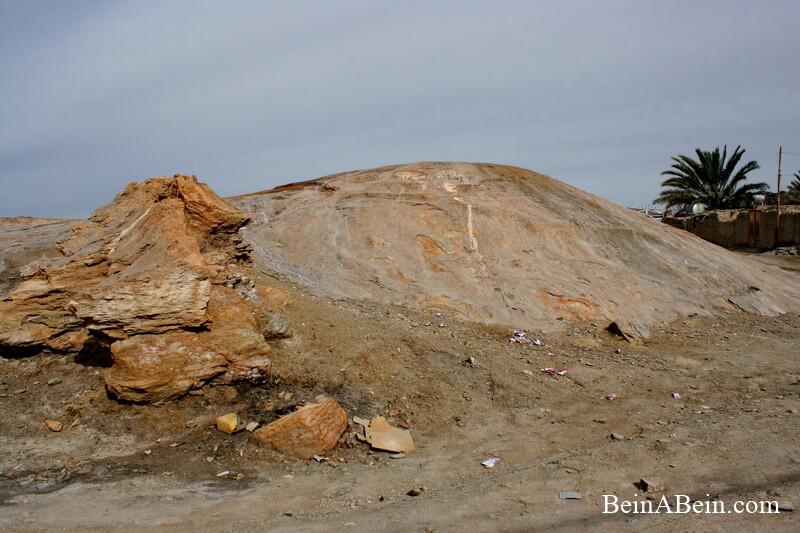
Mir Omar Salti Hill is a salt hill in Gushta, Sistan and Baluchestan province, Iran. It is located in the center of the town and is made up of salt rocks. Salty water flows out of the hill and into the surrounding area. Locals believe that the salty water has medicinal properties and is beneficial for skin diseases. Mir Omar Salti Hill is one of the most popular tourist attractions in Gushta and is...

Kalporagan Clay Living Museum

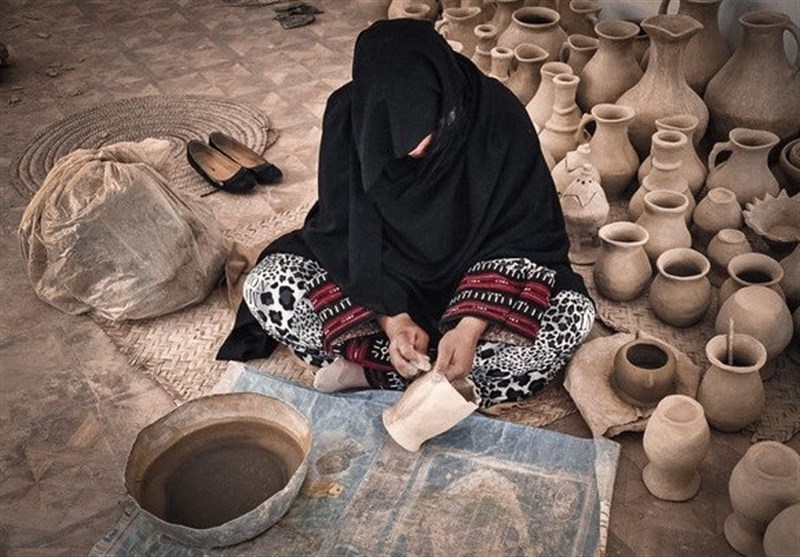
Kalporagan Clay Living Museum is a museum in the village of Kalporagan, in the Sistan and Baluchestan Province of Iran. It is a living museum, meaning that it is a place where traditional crafts are still practiced and passed down from generation to generation. In the case of Kalporagan, the traditional craft is pottery. The museum was founded in 1972 by the Iranian government. It is located in the...