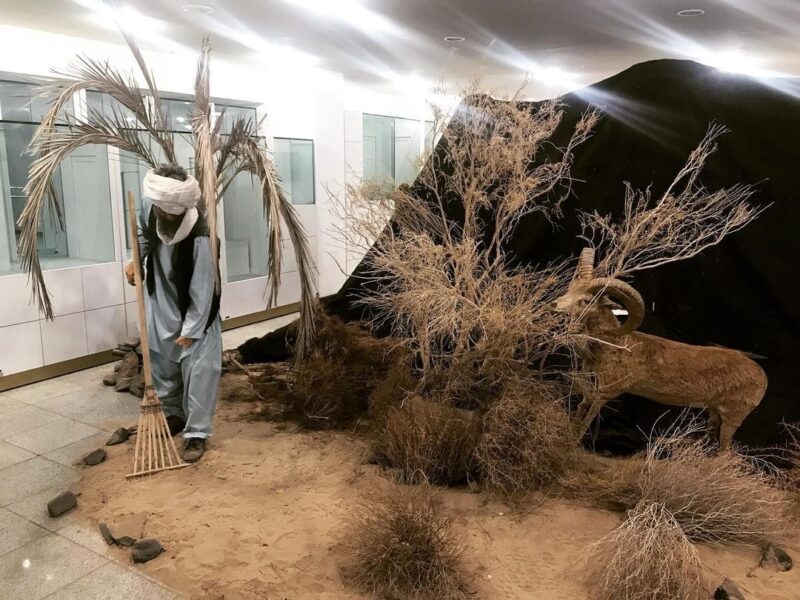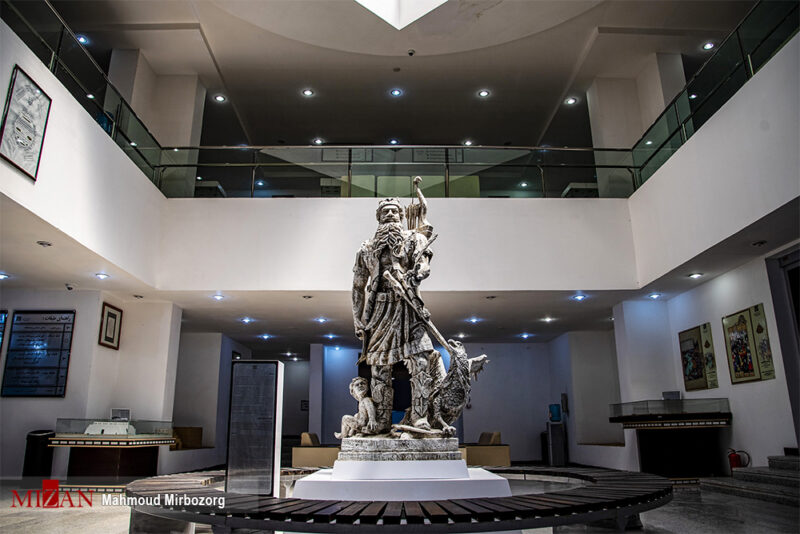
The Southeast Regional Museum of Iran is a museum in Zabol, Iran. It was established in 1998 and is located in the city's Cultural Center. The museum houses a collection of artifacts from the region's history, including pottery, jewelry, and weapons. The museum also has a library and a research center. The museum's collection is divided into two main sections: the pre-Islamic section and the Islamic...
February 2024
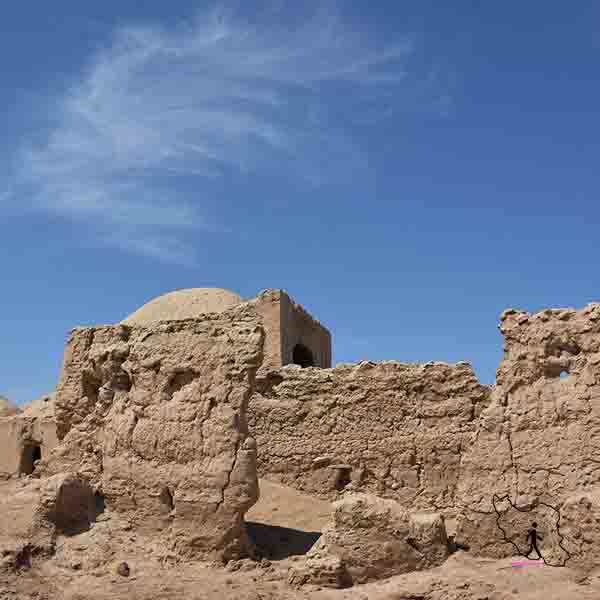
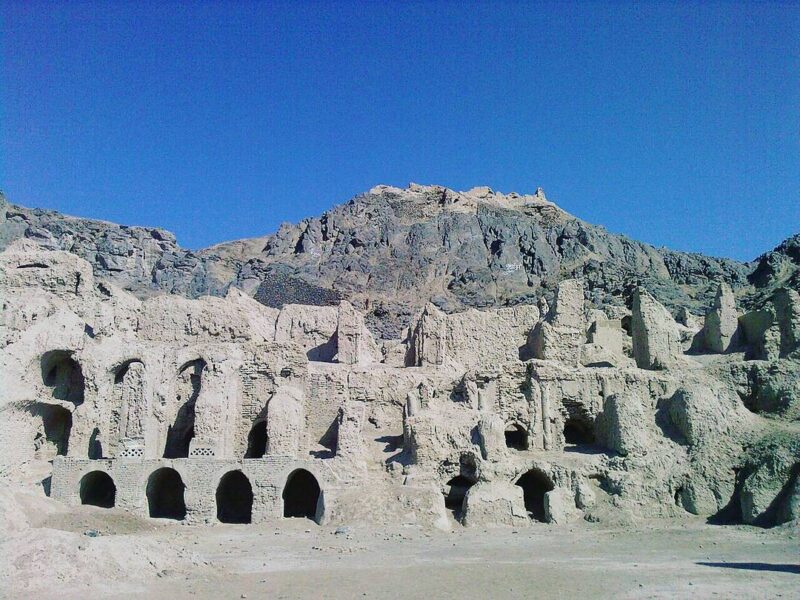
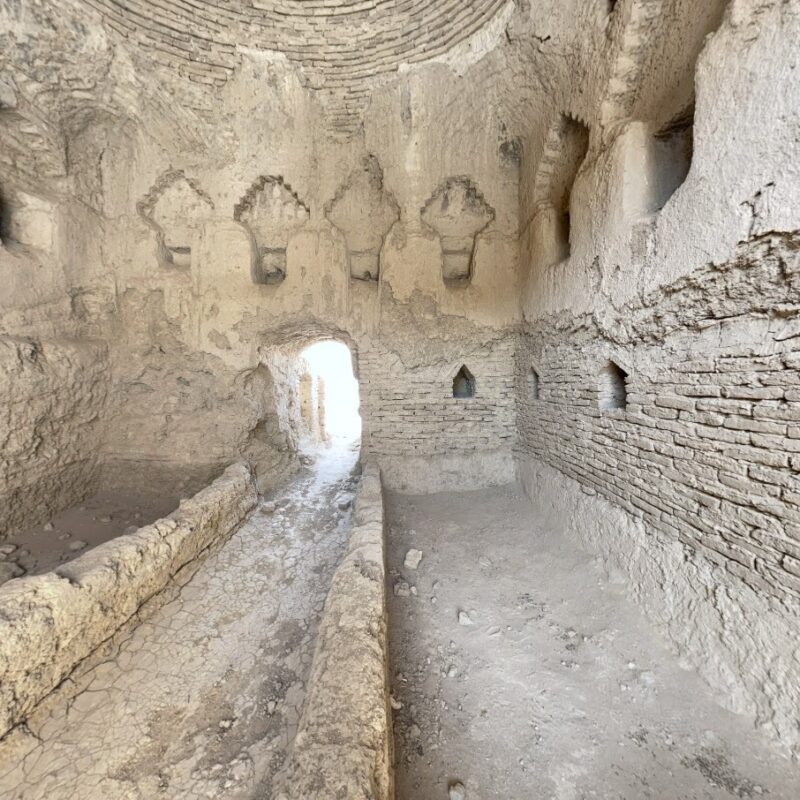
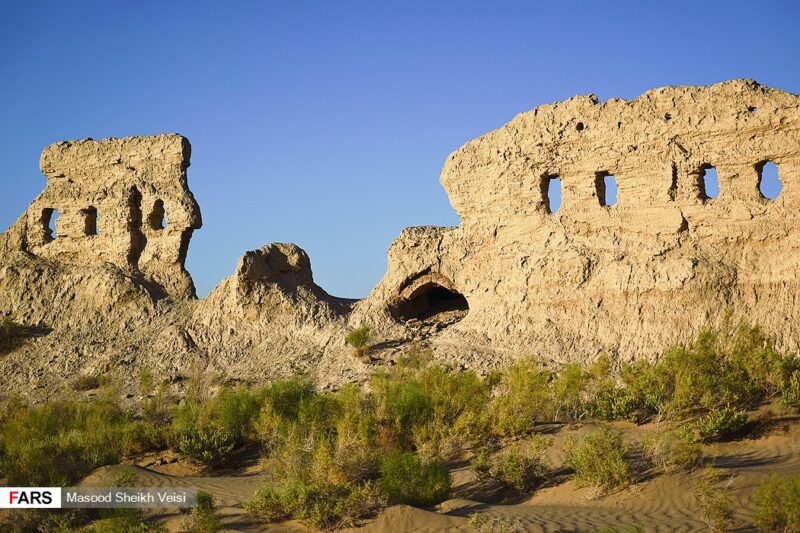
The Zahedan Kohna archaeological site is located 27 kilometers east of Zabol, in Zahedan County, Sistan and Baluchestan Province, Iran. It is one of the most important historical sites in the region and dates back to the Islamic period. In the Islamic period, Zahedan Kohna was one of the most important cities in the region and was known as the capital of Sistan. Due to its location on the Silk Road,...
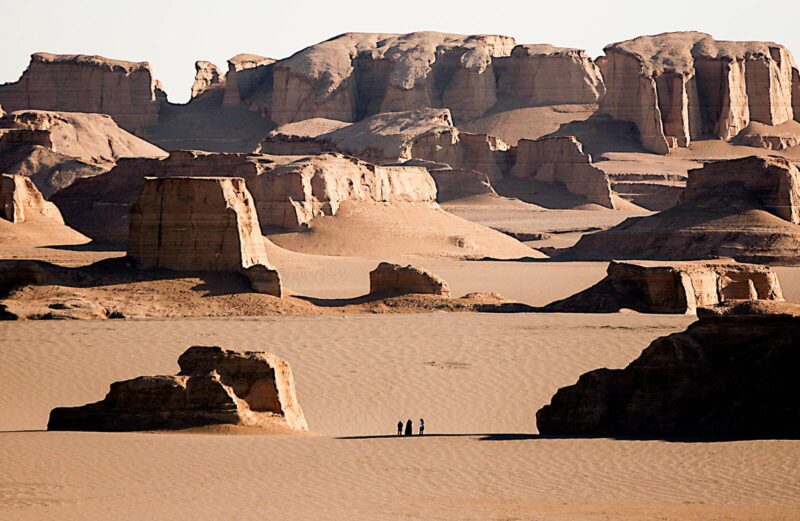
The Lut Desert is a vast desert in southeastern Iran, located in the provinces of Sistan and Baluchistan and Kerman. With an area of 480,000 square kilometers, it is the largest desert in Iran and the second largest desert in the Middle East. The Lut Desert has unique features that make it one of the most beautiful and amazing deserts in the world. In the Lut Desert, there are various types of natural...
The Kukhteh Fire Temple is one of the most important fire temples of ancient Iran, located in Zabol County, Sistan and Baluchestan Province. It dates back to the Sassanid period and was registered as a national heritage site of Iran in 2003 (1384 AP). Here is the English text for the Kukhteh Fire Temple (Atashkadeh Kukuh) in Zabol, Iran: The Kukhteh Fire Temple is one of the most important fire...
Machi Castle is a historical castle located in Hamun County in the Sistan and Baluchestan province of Iran. The fortress dates back to the Safavid dynasty. The castle is located on a hilltop overlooking the city of Zabol. It is made of mudbrick and stone, and it is surrounded by a wall. The castle has several towers and a number of rooms. The rooms are decorated with murals and other decorative...
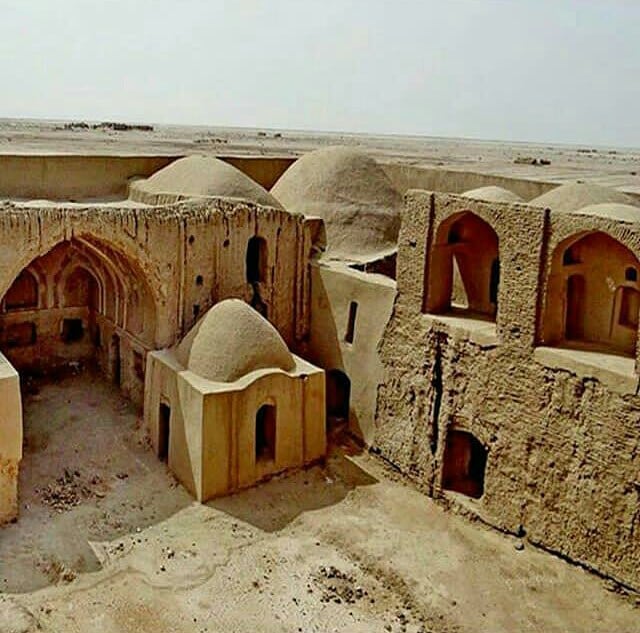
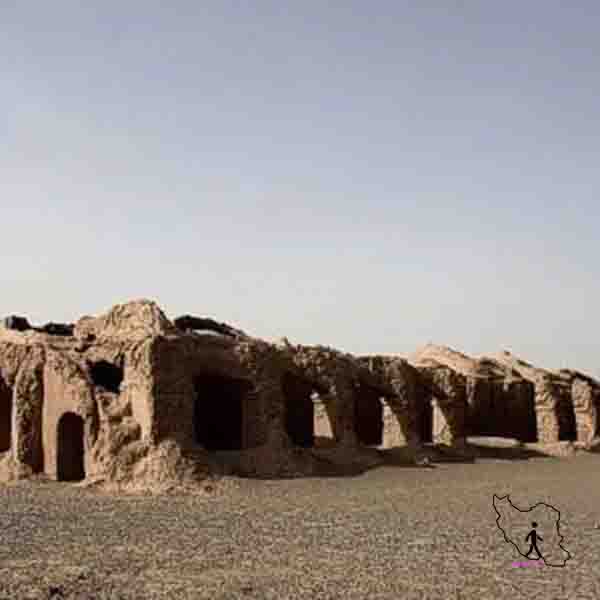
The Farangi Caravanserai of Zabol is located 9 kilometers from the Zabol-Nehbandan road, in the village of Edimi. It was built during the Safavid period by the British. The Farangi Caravanserai of Zabol is a single-story building with an area of 6,500 square meters. It has a fence, entrance, three guard towers, rooms for travelers' accommodation, and stables. All these parts are built around the...
The Chahār Deh Castle is a tourist attraction in the Sistan and Baluchestan province of Iran, located in the Zabol county, Shib Ab district, Koh-e-Khwaja village. It dates back to the Sassanid period and was registered as a national heritage site of Iran in 2005 (1384 AP). The Chahār Deh Castle is built on a large stone platform, with stones connected with clay. It has four towers in four corners...
Rostam Castle (also referred to as Haozdar Fort) is a castle in the Hamun County, and is one of the attractions of Sistan and Baluchestan Province. This castle was built by the Safavid dynasty-Seljuq dynasty. Rostam Castle is located in the Howzdar city, which is also near the remains of an ancient city with numerous buildings with brick- facade design, the gate, the watchtower, and 15 defense...
The Shahr-e Sukhteh Museum is a specialized museum that was opened in 2003 on a 20-hectare plot of land opposite the ancient site of Shahr-e Sukhteh in Zabol. The museum was established to introduce the archaeological findings of Shahr-e Sukhteh and other ancient sites in the provinces of Sistan and Baluchestan, South Khorasan, and Kerman. The Shahr-e Sukhteh Museum has different sections, including...
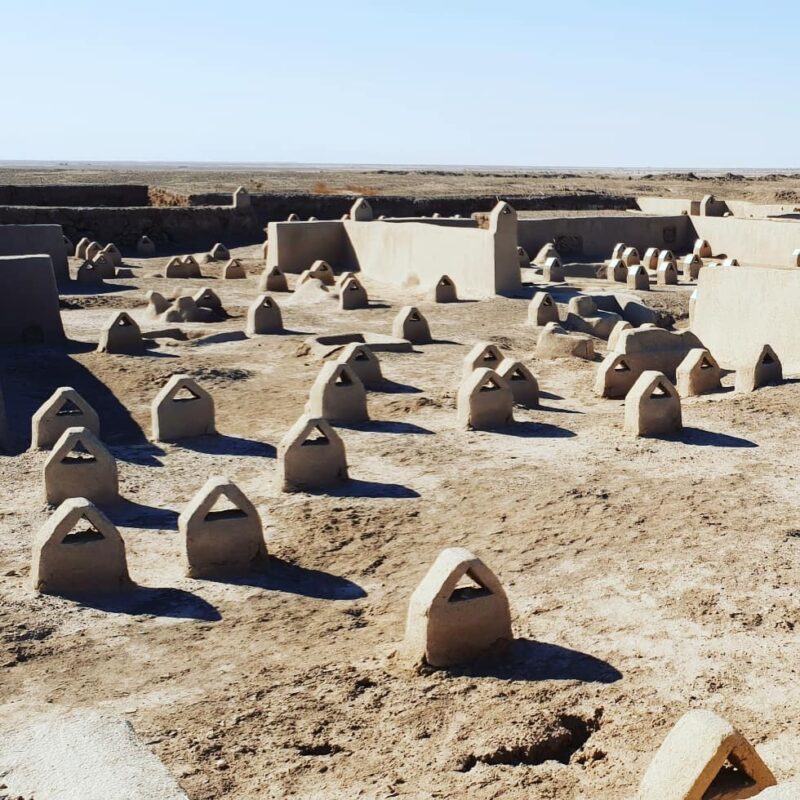
Shahr-e Sukhteh (meaning "Burnt City") is an archaeological site located in Sistan and Baluchestan Province, Iran. It is located about 260 kilometers from Zahedan, the capital of the province. The site is a UNESCO World Heritage Site. Shahr-e Sukhteh was once a major city in the ancient world. It was founded in the 3rd millennium BC and was inhabited for over 2,000 years. The city was an important...