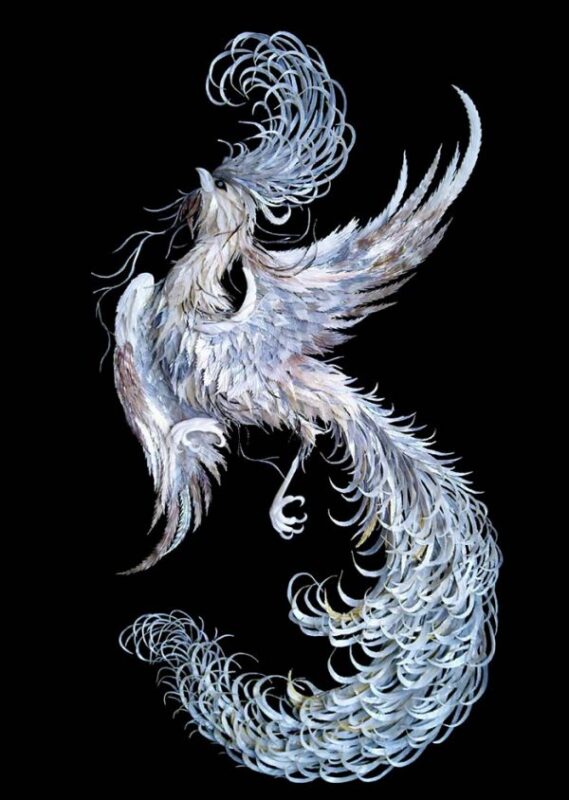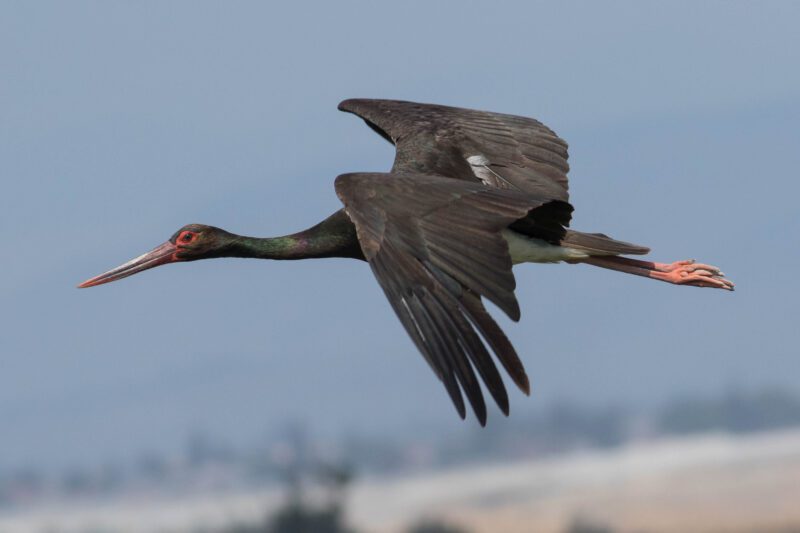
The black stork of Sistan and Baluchistan, Iran, is a regal bird shrouded in mystery, its silhouette gliding across the region's arid landscapes like a whisper of darkness. Let's unravel the secrets of this fascinating creature:A Vision of Grace:Elegant Appearance: Standing tall on slender legs, with a long, curved beak and wingspan reaching up to 6 feet, the black stork cuts a striking figure against...
2023
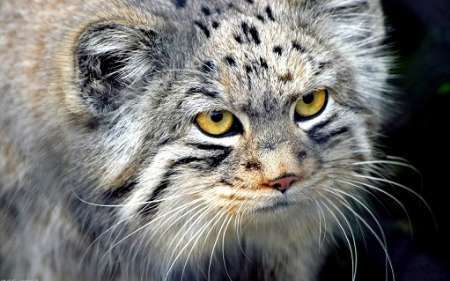
The Pallas's cat of Sistan and Baluchistan, Iran! This enigmatic creature, also known as the Manul, is a captivating resident of the region's arid plains and rocky outcrops. Let's delve into its world and discover its secrets:A Master of Camouflage:Fluffy Fur: With its thick, silvery-gray fur blending perfectly with the desert stones, the Pallas's cat is a master of camouflage, making it difficult to spot...
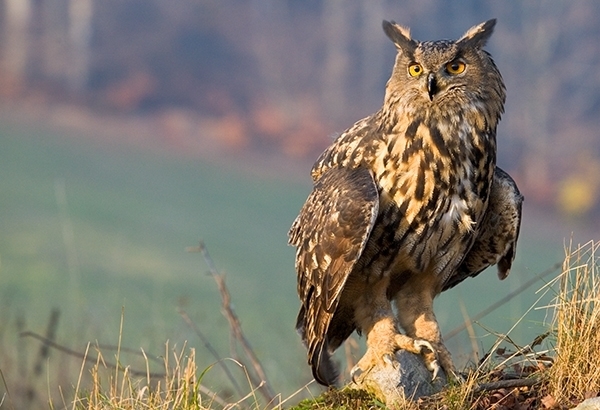
The horned owl of Sistan and Baluchistan, Iran, also known as the desert eagle owl (Bubo desertorum), is a majestic and fascinating creature that reigns supreme in the region's arid landscapes. Here's a glimpse into its world:A Desert Royalty:Majestic Appearance: Standing tall at around 2ft, with striking golden eyes, prominent ear tufts, and a powerful wingspan, this owl commands respect in its...
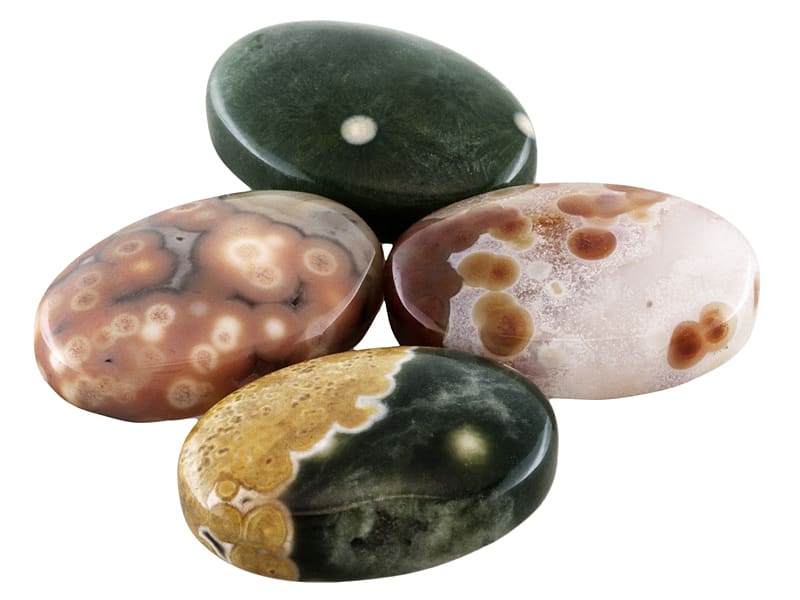
The arid landscape of Sistan and Baluchistan, Iran, holds not just sand and wind, but also hidden treasures beneath the surface. Among these treasures are stunning gemstones, waiting to be unearthed and transformed into works of art through the skilled hands of local gem cutters.A Glittering Mosaic:Gemstones: From fiery rubies and sapphires to mesmerizing amethysts and turquoise, the region boasts a...
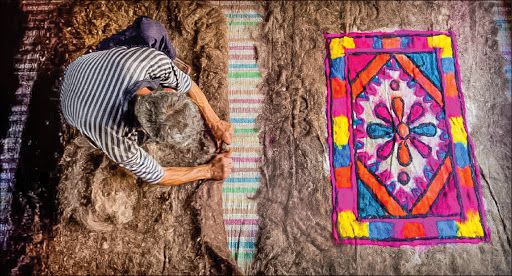
While felt weaving is a widely practiced technique in many regions around the world, its presence in Sistan and Baluchistan, Iran, remains a bit of a mystery. While there are some hints and possibilities, definitive evidence is currently lacking. Here's what we know so far:Possible Traces:Historical mentions: Some historical accounts from the early 19th and 20th centuries suggest felt weaving existed in...
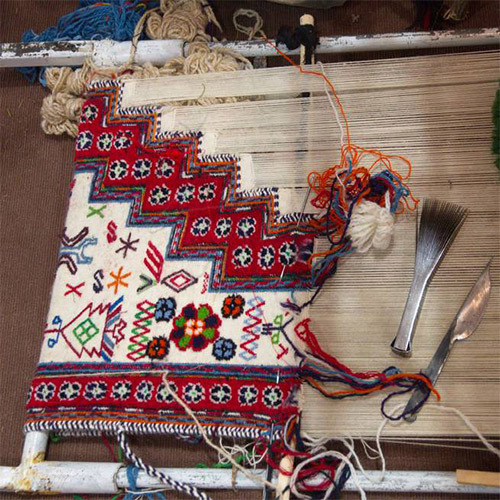
The carpet weaving of Sistan and Baluchistan, Iran, is a vibrant tapestry woven with tradition, artistry, and cultural identity. It's a rich subject to delve into, and I'm happy to share what I know:Distinct Styles and Techniques:Sistan: Renowned for its geometric patterns, often bold stripes, squares, and diamonds in contrasting colors like red, black, and white. The "Kheshti" motif, resembling a...
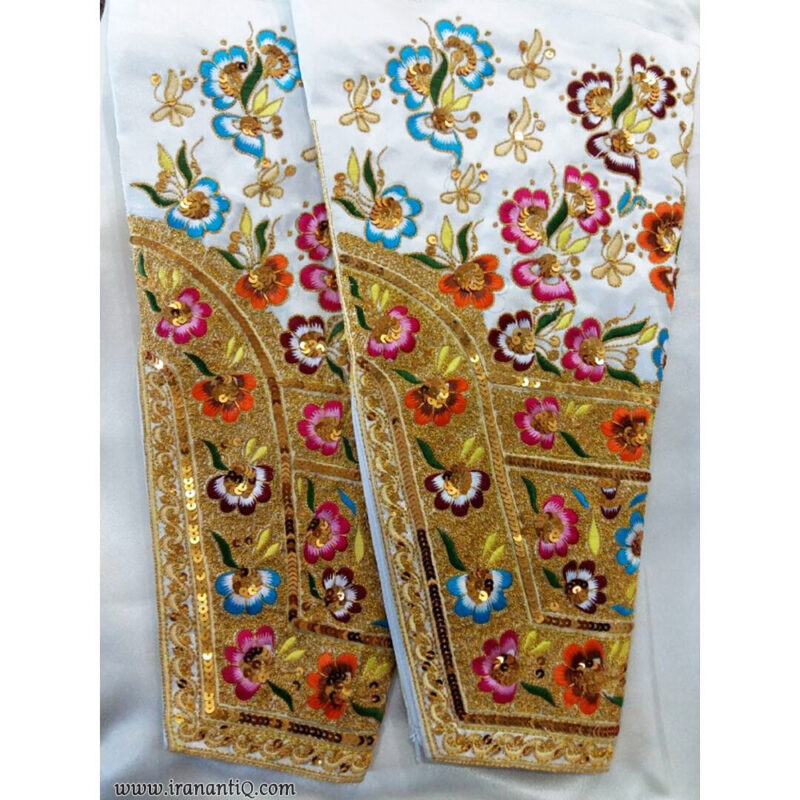
Gold embroidery in Sistan and Baluchistan, Iran, while not as prevalent as some other styles like Suchan Duzi or coin embroidery, does hold a unique and fascinating place within the region's rich needlework traditions. Here's what I know about this exquisite art form:Sparkling Threads of Tradition:Rare and valuable: Unlike silver or copper coins used in some embroidery styles, gold threads were typically...
The combination of "curry stew" and "oysters" might seem like an unusual pairing, especially when considering the specific geography of Sistan and Baluchistan, Iran. Here's why:Oysters in Sistan and Baluchistan:While there are oyster farms along the Persian Gulf and Gulf of Oman coasts of Iran, Sistan and Baluchistan primarily lies inland, with limited access to the ocean and its seafood.Oysters are not...
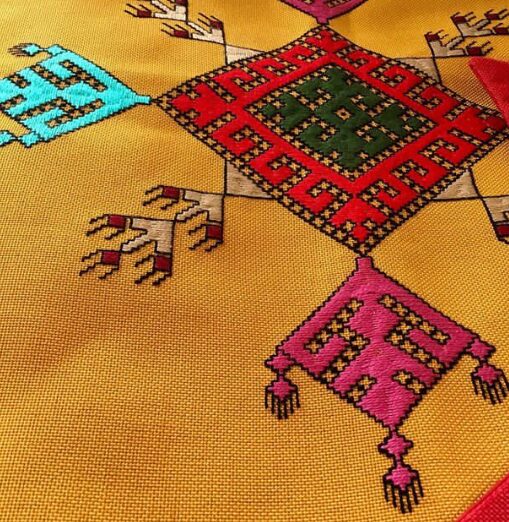
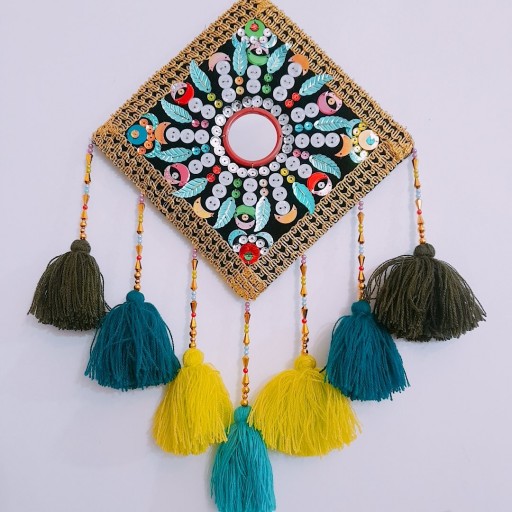
The needlework of Sistan and Baluchistan, Iran, is a vibrant and diverse tapestry of traditions and techniques, bursting with color, symbolism, and intricate craftsmanship. Here's a glimpse into this captivating world:A Spectrum of Styles:Suchan Duzi: The most prevalent style in Baluchistan, featuring bold geometric patterns, animal motifs, and floral details. Often uses vibrant colors and silk thread for...
The coin embroidery of Sistan and Baluchistan, Iran, is a captivating blend of tradition, artistry, and resourcefulness. Here's a glimpse into this unique art form:A Sparkling Fusion:Coins as embellishments: Unlike conventional embroidery using thread, this technique incorporates coins, primarily old silver or copper ones, as the primary embellishment. These coins are sewn onto fabric, creating...